Landmark: History Museum of Stara Zagora
City: Stara Zagora
Country: Bulgaria
Continent: Europe
History Museum of Stara Zagora, Stara Zagora, Bulgaria, Europe
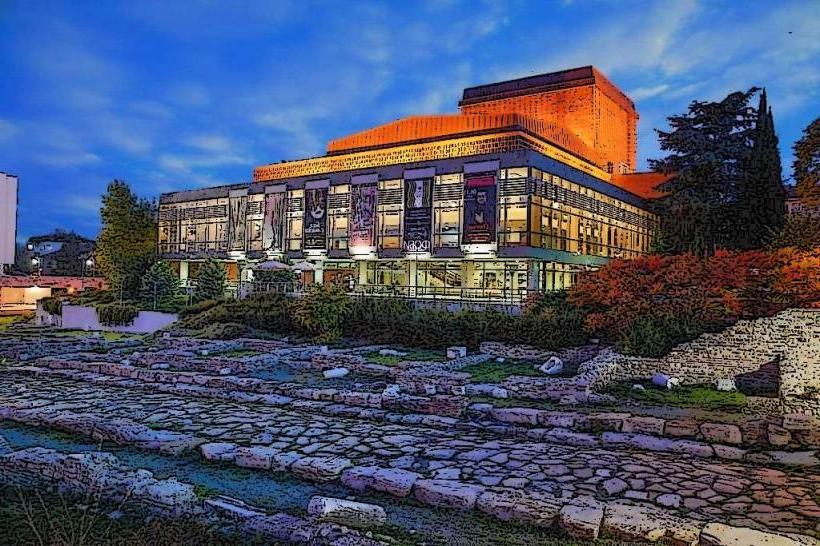
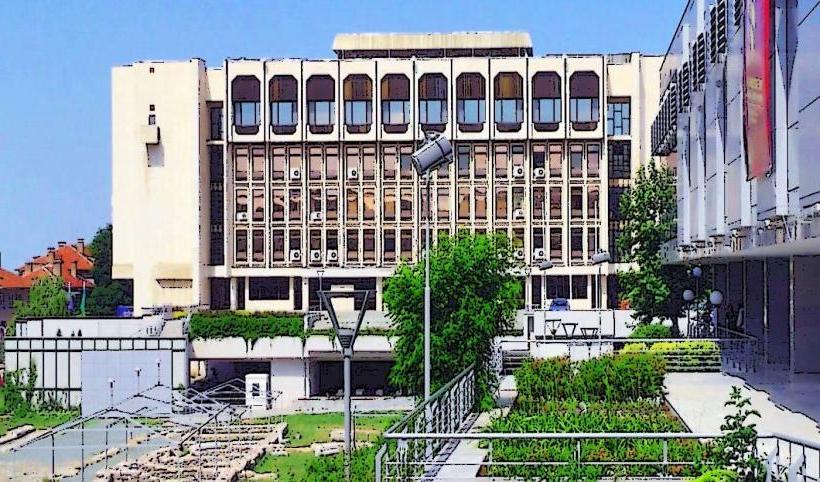
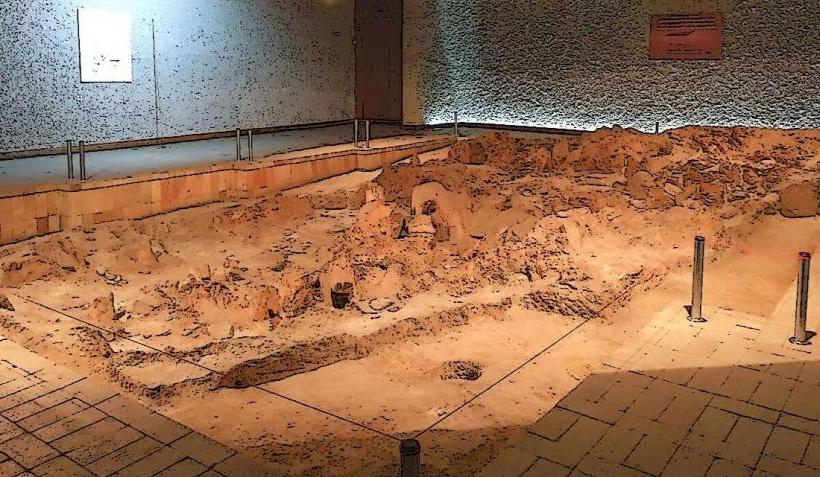
The Regional History Museum of Stara Zagora is a specialized archaeological and historical repository located in the central urban zone of Stara Zagora, Bulgaria. It is recognized for its unique architectural design, which incorporates an original Roman street in situ within its basement level.
Visual Characteristics
The museum is housed in a modern, four-story building designed to resemble a stylized hourglass. The exterior features glass curtain walls and concrete panels, while the interior is organized around a central atrium. The ground level is characterized by the exposed stone pavement of a 2nd-century Roman decumanus, complete with original curbs and drainage systems. The galleries utilize dark backgrounds and focused spot lighting to highlight the metallic and ceramic textures of the artifacts.
Location & Access Logistics
The museum is situated at 42 Ruski Boulevard, directly adjacent to the Stara Zagora Opera House. It is a 10-minute walk (approx. 800m) north of the central railway station. Public transit access is available via multiple trolleybus and bus lines stopping at the "Opera" or "City Hall" stations. Paid municipal parking is available in the "Green Zone" on surrounding streets like Sveti Knyaz Boris.
Historical & Ecological Origin
The institution was established in 1907, making it one of the oldest museums in Bulgaria. The current purpose-built facility was inaugurated in 2007 to mark the museum's centenary. The site is located directly above the ruins of the ancient Roman city of Augusta Trajana, which was established by Emperor Trajan in the early 2nd century AD on a fertile plain at the southern foothills of the Sredna Gora mountains.
Key Highlights & Activities
The primary attraction is the walk along the authentic Roman street located in the basement. Major exhibits include a 4th-century mosaic from a Roman house, a unique collection of Thracian bronze chariots, and the "Stara Zagora Gold Treasure." Visitors can engage with touch-screen kiosks providing digital reconstructions of the ancient city and view a specialized numismatic collection containing over 30,000 coins.
Infrastructure & Amenities
The museum is fully wheelchair accessible with elevators connecting all four floors. It contains a specialized library, a conservation laboratory, a conference hall, and a gift shop selling replicas and academic publications. Public restrooms are located on each level. 5G cellular coverage is excellent throughout the building.
Best Time to Visit
The museum is open Tuesday through Sunday from 10:00 to 18:00. The best time for photography is during the morning when natural light enters the atrium and illuminates the Roman street. The facility is climate-controlled, making it a viable year-round destination regardless of the high summer temperatures typical of the Thracian Plain.
Facts & Legends
The museum building was constructed precisely over the intersection of two major Roman roads. A verified historical oddity is the "Prehistoric Dwellings" section, which displays artifacts from the nearby Neolithic dwellings, considered the best-preserved in Europe, dating back to the 6th millennium BC. Local legend suggests that the city's ancient name, Augusta Trajana, was bestowed by the Emperor himself due to the exceptional quality of the local thermal springs and strategic location.
Nearby Landmarks
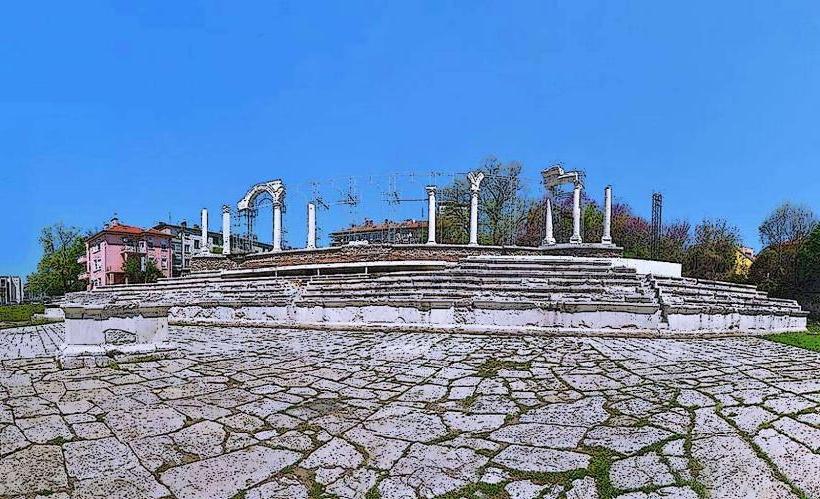
Antique Forum of Augusta Trajana - 0.1km West
Stara Zagora State Opera - 0.05km South
The Neolithic Dwellings Museum - 1.5km West
Park "Metropolitan Methodiy Kusev" (Ayazmoto) - 1.2km North
Memorial Complex "Defenders of Stara Zagora" - 3.5km East