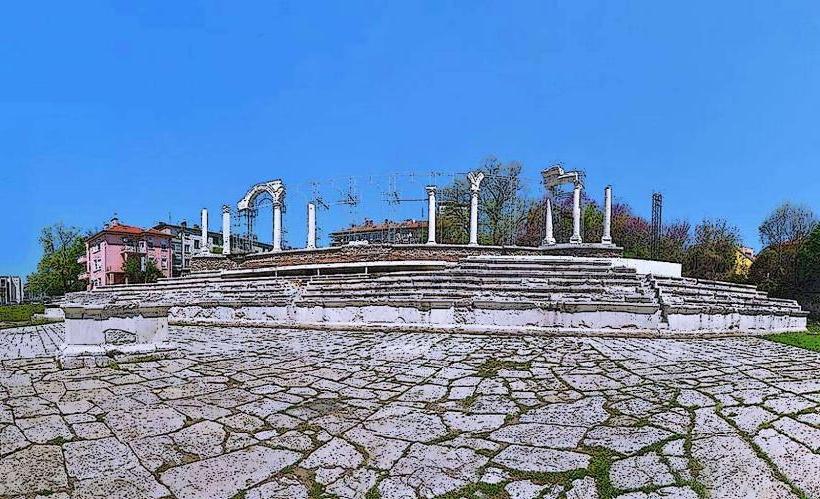
Landmark: Ruins of Augusta Traiana
City: Stara Zagora
Country: Bulgaria
Continent: Europe
Ruins of Augusta Traiana, Stara Zagora, Bulgaria, Europe
The Ruins of Augusta Traiana constitute an extensive archaeological complex located in the central urban core of Stara Zagora, Bulgaria. It represents the monumental remains of a Roman city established as a primary administrative and economic hub within the province of Thracia.
Visual Characteristics
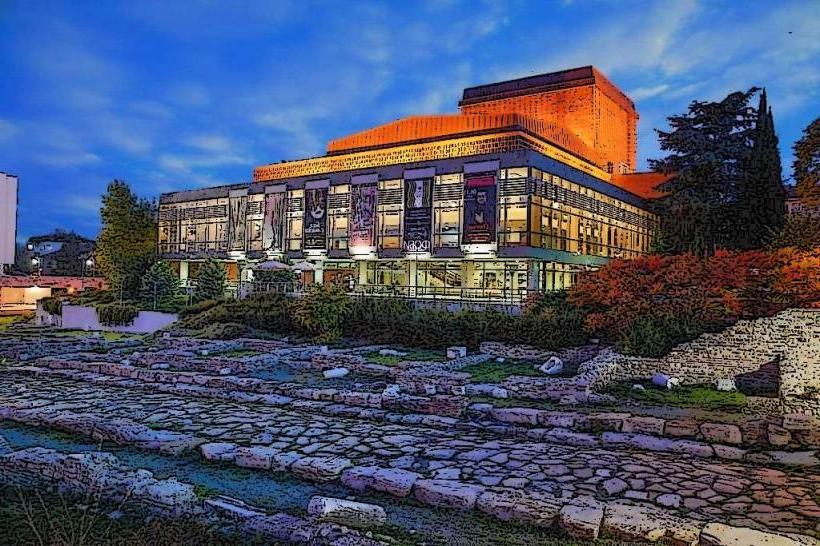
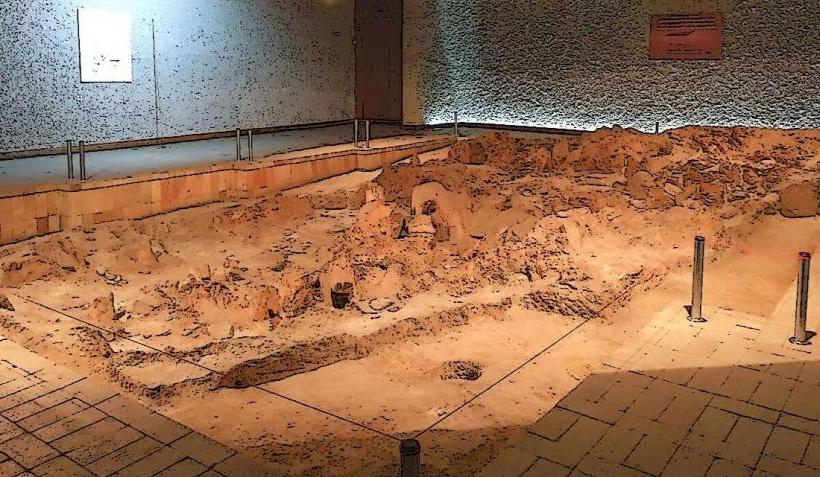
The complex features an ancient forum with a semi-circular stone theater (auditorium) consisting of nine rows of stone seats. The site is defined by high-fidelity limestone masonry, including two concentric fortification walls, a monumental gate with a flanking tower, and a paved decumanus (main east-west street). Architectural elements such as Corinthian columns, marble pedestals, and intact stone drainage channels are visible across the excavated area, which sits approximately 3 to 4 meters below the modern street level.
Location & Access Logistics
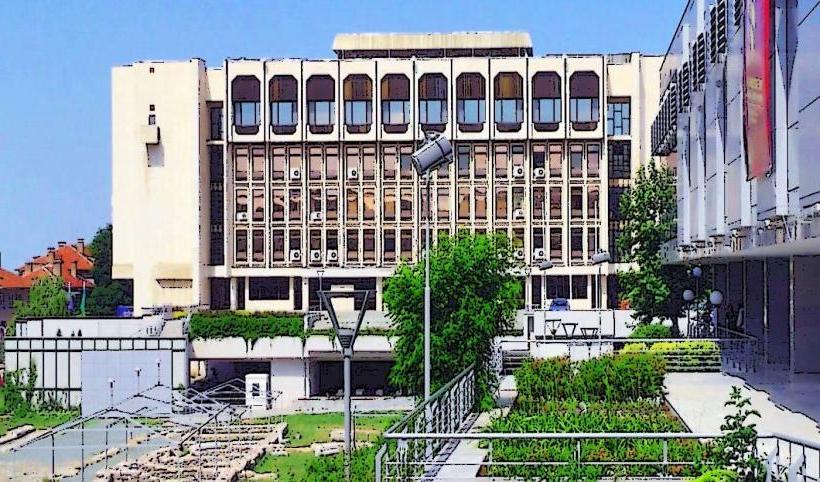
The primary excavations are situated at the intersection of Mitropolit Metodi Kusev Boulevard and Sveti Knyaz Boris Street. It is a 12-minute walk (approx. 1km) north of the Stara Zagora railway station. Public transit access is provided by trolleybus lines 1 and 2, stopping at the "Opera" or "City Hall" stations. Visitor access is managed through the Regional History Museum, with pedestrian ramps and viewing platforms surrounding the open-air site.
Historical & Ecological Origin
The city was founded between 106 and 107 AD by Roman Emperor Trajan following the Dacian Wars. It was granted the status of an autonomous city with the right to mint its own coins. Geologically, the site occupies a strategic position on the fertile Thracian Plain, utilizing locally quarried limestone and marble. The city was largely destroyed by Gothic invasions in the 4th century but was subsequently rebuilt as a Byzantine stronghold.
Key Highlights & Activities
Visitors can walk across the authentic Roman stone pavement and sit in the ancient theater. The site serves as an active venue for cultural events, including opera and theatrical performances held on the original stone stage. Interpretive signage provides historical context for the fortification systems and the thermal bath remains located on the southern edge of the forum.
Infrastructure & Amenities
The site is integrated into the city’s pedestrian zone and features metal railings, nighttime floodlighting, and viewing terraces. Public restrooms are available in the adjacent Regional History Museum. High-speed 5G cellular coverage is consistent. Numerous cafes and municipal benches are located on the modern plaza level overlooking the ruins.
Best Time to Visit
The open-air ruins are visible 24/7 from the street level, though interior access follows museum hours (Tuesday–Sunday, 10:00–18:00). Early morning or late afternoon provides the best lighting for architectural photography. During the summer months, evening visits are preferable to witness the site under artificial illumination when the temperatures on the Thracian Plain decrease.
Facts & Legends
The site contains a unique double-wall fortification system (proteichisma), a rare defensive feature that allowed defenders to trap invaders between two sets of walls. Local historical records suggest the city was so prosperous that it was frequently referred to as the "most brilliant city of the Trajanites," serving as a preferred retirement location for high-ranking Roman veterans.
Nearby Landmarks
Stara Zagora State Opera - 0.05km East
Regional History Museum - 0.1km East
Stara Zagora City Hall - 0.15km Southeast
Zagora Art Gallery - 0.2km East
Ayazmoto Park - 1.1km North