Landmark: Lou Island
City: Manus
Country: Papua New Guinea
Continent: Australia
Lou Island, Manus, Papua New Guinea, Australia
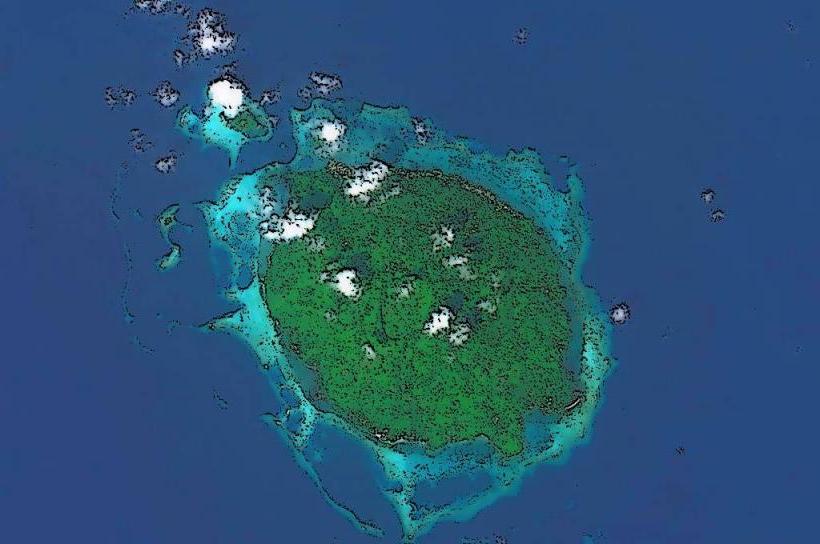
Lou Island is a landmass situated within the Manus Province of Papua New Guinea. It is one of the Ninigo Islands, located in the Manus Province.
Visual Characteristics
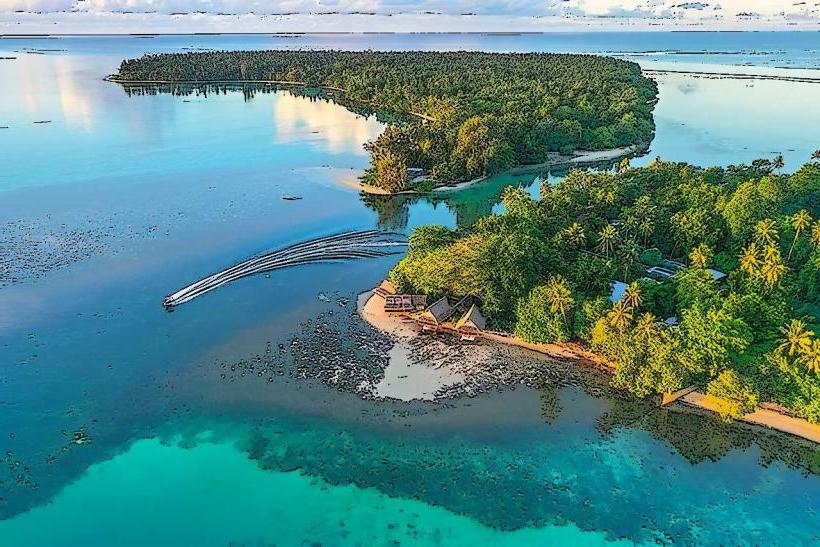
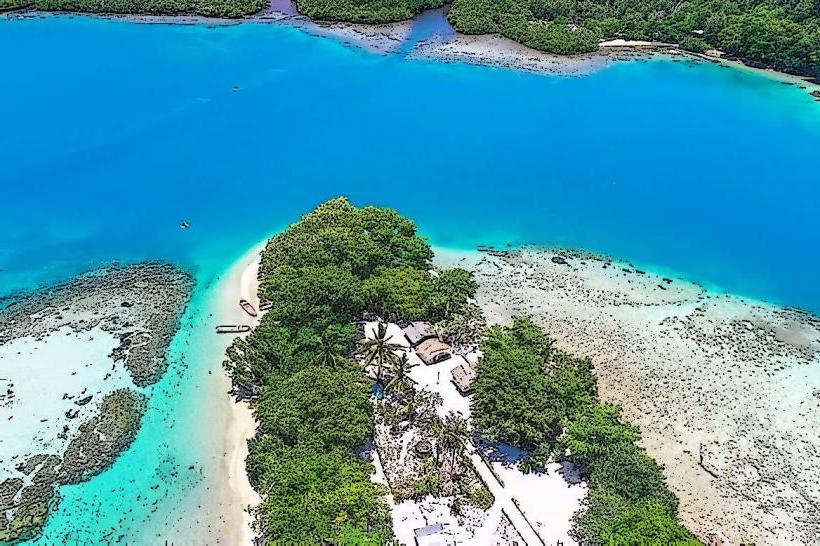
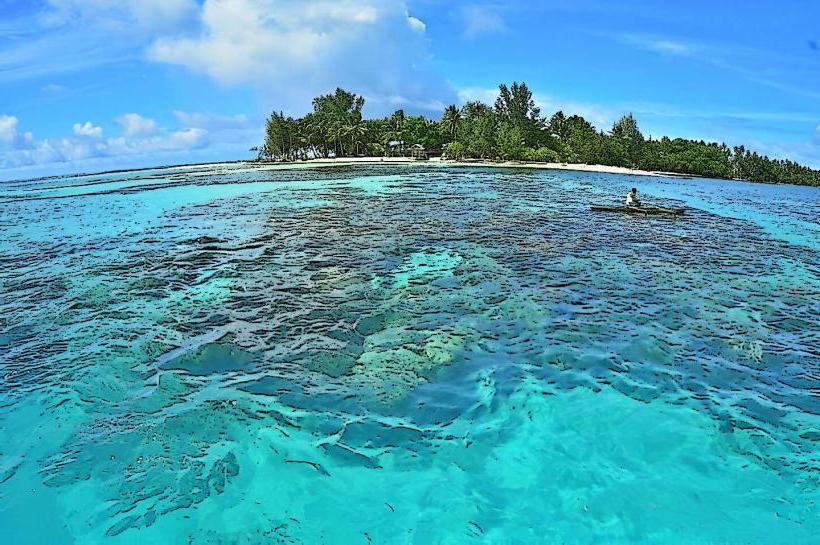
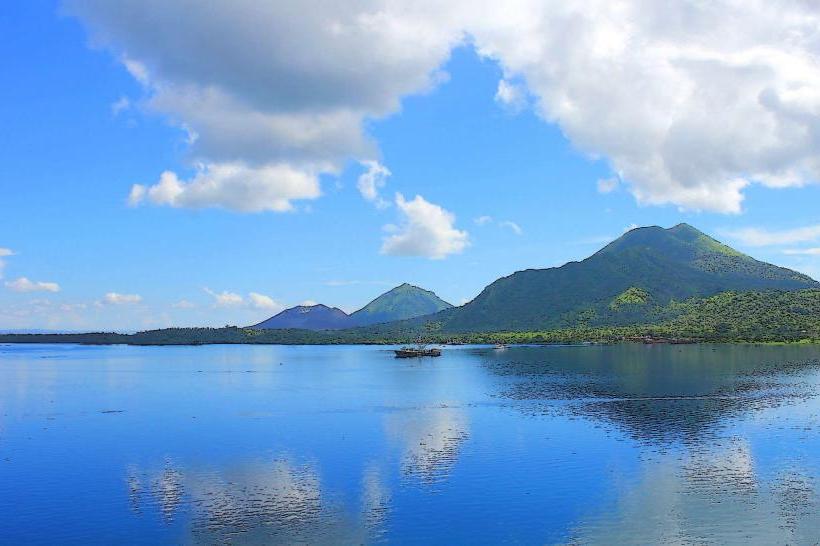
Lou Island is characterized by low-lying coral formations and sandy beaches. The island's interior consists of dense tropical vegetation, primarily palm trees and various shrubs. The surrounding waters are shallow and exhibit a clear turquoise hue.
Location & Access Logistics
Lou Island is located approximately 150 kilometers northwest of Manus Island. Access is primarily via small boat or charter aircraft from Lorengau, the provincial capital of Manus. There are no established airstrips or regular ferry services directly to Lou Island. Local boat operators can be hired in Manus Province for transfers, with journey times varying based on sea conditions, typically ranging from 4 to 8 hours.
Historical & Ecological Origin
Lou Island is an atoll, formed by the accumulation of coral polyps over geological time. The island's landmass is composed of coral limestone and sand. Historically, the island has been inhabited by indigenous communities for centuries, with traditional subsistence practices.
Key Highlights & Activities
Activities on Lou Island are centered around its natural environment. Snorkeling and diving are possible in the surrounding reef systems, particularly during calm weather. Birdwatching is also a notable activity due to the island's diverse avian population. Limited fishing opportunities exist for visitors with appropriate permits and equipment.
Infrastructure & Amenities
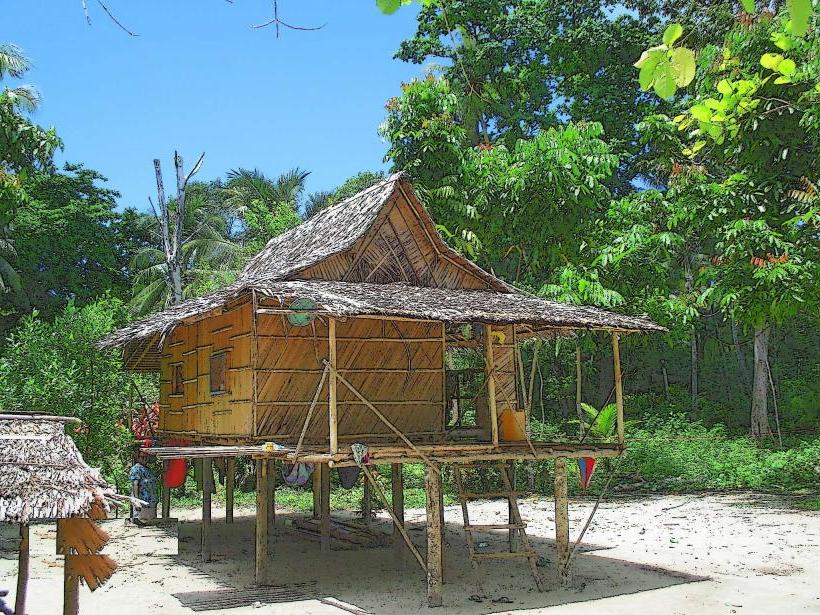
Infrastructure on Lou Island is minimal. There are no formal public restrooms or designated shade structures. Cell phone reception is unreliable and generally unavailable. Food vendors are not present on the island; visitors must bring all necessary provisions. Basic guesthouses or homestays may be available through prior arrangement with local residents.
Best Time to Visit
The dry season, from June to September, offers the most favorable weather conditions with reduced rainfall and calmer seas. The best time of day for photography is generally during the early morning or late afternoon when the sun's angle provides softer light. High tide is preferable for accessing certain reef areas for snorkeling.
Facts & Legends
A local legend speaks of a giant sea turtle that is said to protect the island's waters. It is believed that disturbing the marine life incurs the turtle's disfavor. Visitors are advised to practice responsible tourism and minimize their environmental impact.
Nearby Landmarks
- Ninigo Atoll (10km Southwest)
- Wuvulu Island (45km West)
- Kerepai Island (25km Northeast)
- Baluan Island (120km Southeast)