Landmark: Manzini Bus Station Market
City: Manzini
Country: Eswatini
Continent: Africa
Manzini Bus Station Market, Manzini, Eswatini, Africa
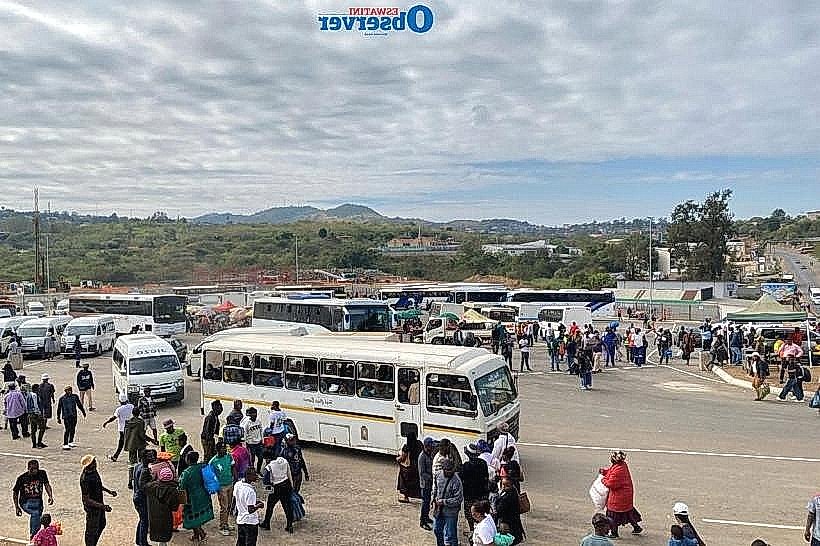
The Manzini Bus Station Market (commonly associated with the informal commerce of the Main Bus Rank) is a highly congested open-air transport and retail hub located in the central urban core of Manzini, Eswatini. The site serves as the primary regional transit node and a major marketplace where micro-entrepreneurs sell everyday commodities directly to commuting workers and intercity passengers.
Visual Characteristics
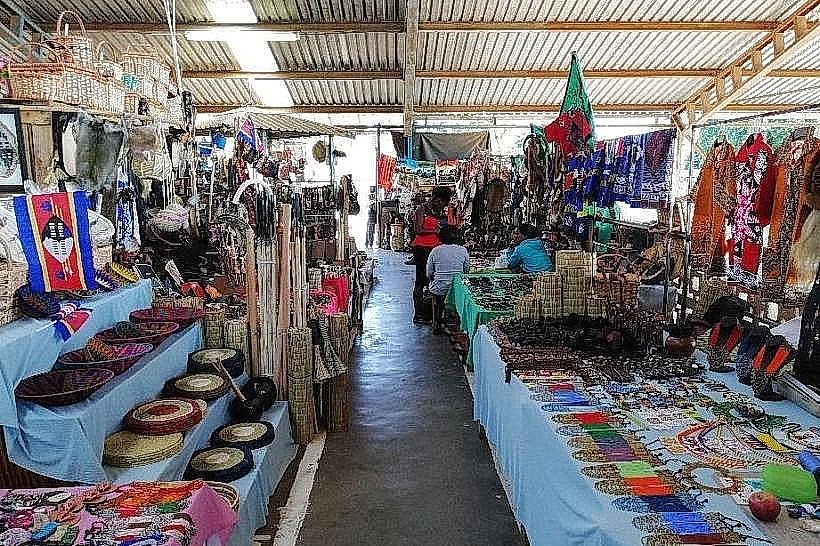
The market area is characterized by an extensive layout of metal-framed tables, temporary wooden stalls, and large umbrellas crammed tightly alongside transit lanes and pedestrian walkways. The ground surface consists of weathered asphalt and concrete paving stones that show severe structural cracking due to heavy vehicle weight. The stalls are packed with dense piles of affordable imported textiles, second-hand clothing, low-cost electronics, cellular accessories, and various prepared foods. Underneath the primary terminal awnings, the air is frequently filled with diesel exhaust emissions mixed with smoke from roadside food preparation grills.
Location & Access Logistics
The main terminal site is located along Louw Street and Meintjes Street, situated exactly 0.2 kilometers north of the Bhunu Mall in downtown Manzini. The market is directly accessible to pedestrian traffic from all major downtown retail streets. Commuters can reach the location by boarding any regional kombi (minibus) or long-distance bus routed to central Manzini. For drivers, the surrounding road network is highly congested; vehicle parking is limited to surrounding commercial parking lots at nearby malls, as the immediate terminal perimeter is reserved entirely for public transport loading zones. Due to a major municipal redevelopment project launched in mid-2026, many transport and vending operations have been temporarily distributed across satellite hubs, including the Old Trade Fair Bus Rank and the Satellite Bus Rank.
Historical & Ecological Origin
The market developed organically during the late 20th century alongside the explosive growth of the municipal transport rank, which established Manzini as the primary transportation crossroad of Eswatini. The space was created to serve the immediate consumer needs of thousands of travelers moving between rural homesteads and industrial production centers like Matsapha. Governed under the provisions of the Urban Government Act of 1969, the Manzini City Council systematically formalised the presence of informal traders (known locally as dobha phansi micro-enterprises) by issuing municipal permits to regulate the dense economic activity within the transport grid.
Key Highlights & Activities
Observing the rapid logistical coordination of local transport operations and informal retail transactions is the primary activity at the site. Visitors can purchase affordable street food staples, including vetkoek (fried dough bread), roasted maize cobs, and grilled meats cooked on open steel braais. The market provides a direct lookup into the daily economic realities of domestic trade, with vendors showcasing bulk distribution methods for commercial consumer goods, personal electronics, and seasonal agricultural produce directly to transit passengers.
Infrastructure & Amenities
The market infrastructure features communal public restroom blocks managed by the transport authorities, requiring a nominal maintenance fee for entry. Partial shade is provided by structural concrete vehicle shelters and the corrugated iron roofs of formal retail kiosks, while the majority of the walking paths remain completely exposed to weather elements. Mobile cellular signal strength is exceptionally high across the area, ensuring reliable 4G and 5G connections on all domestic networks. Food options are widespread, consisting of numerous unpretentious cookshops, beverage kiosks, and quick-service street food vendors positioned at every entry point.
Best Time to Visit
The terminal area experiences continuous activity daily from 05:00 to 19:00, with the absolute peak periods occurring during the morning rush hours from 07:00 to 09:00 and the afternoon commute from 16:30 to 18:30. For photography, the early morning light provides the best illumination across the open transit lanes before high mid-day sun profiles create harsh concrete glare. The cooler, dry winter months from May to August are the most optimal for navigating the complex on foot, avoiding the intense summer heat and the pooling mud caused by heavy tropical afternoon rainstorms.
Facts & Legends
A verified financial reality of this transport market is the high economic volume generated by the informal dobha phansi sector, with top-performing micro-retail stalls documented as generating significant revenues that exceed the income of many formal suburban retail shops. Local commuter lore frequently highlights the specific language used by kombi conductors (conductor slingo), who utilize a rapid-fire mixture of siSwati and regional slang to announce destinations and prices within fractions of a second, creating a distinct auditory environment that has remained unchanged for decades despite ongoing structural modernization.
Nearby Landmarks
Bhunu Mall: 0.2km South
Somhlolo Park: 0.4km West
Manzini National Library: 0.4km West
Manzini Market: 0.5km Southeast
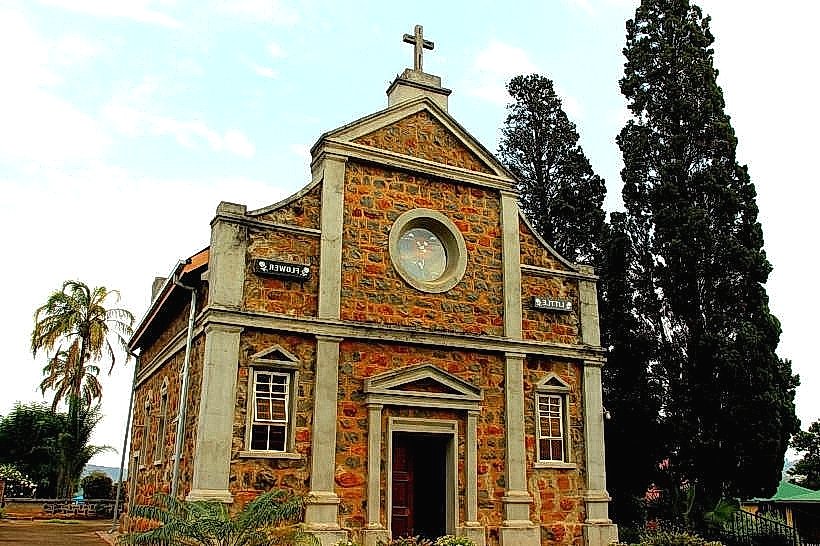
Cathedral of Our Lady of Assumption: 0.6km Northwest