Landmark: St. Theresa’s Cathedral
City: Manzini
Country: Eswatini
Continent: Africa
St. Theresa’s Cathedral, Manzini, Eswatini, Africa
The Cathedral of Our Lady of the Assumption (historically connected to the St. Theresa mission complex and school) is the primary seat of the Roman Catholic Diocese of Manzini, Eswatini. The site functions as the regional administrative and spiritual center for the Catholic community within Eswatini's most populous commercial hub.
Visual Characteristics
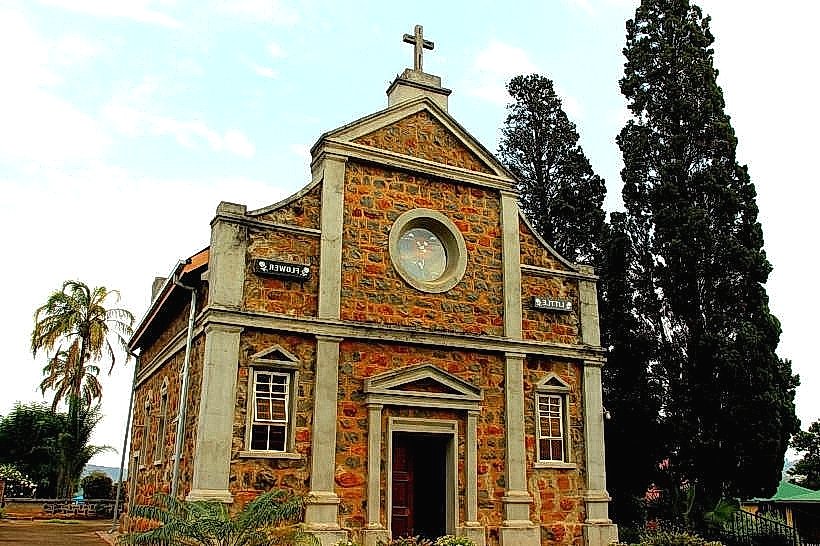
The landmark exhibits a modern mid-century ecclesiastical design characterized by clean lines, off-white plastered masonry walls, and a prominent asymmetrical bell tower that elevates above the roofline. The facade features tall, vertical rectangular windows designed to allow filtered natural light into the main nave. The interior sanctuary is expansive, utilizing polished stone flooring, exposed structural support pillars, a wide altar platform, and rows of dark timber pews arranged facing a centrally positioned crucifix.
Location & Access Logistics
The cathedral is located at the intersection of Sandlane Street and Esselen Street in the downtown core of Manzini, roughly 0.6 kilometers northwest of the Manzini Market. It is situated within a 10-minute walking distance of the central Manzini Bus Rank, making it highly accessible via regional public kombis (minibuses). Drivers can navigate to the property from the MR3 highway by entering the urban center via Sandlane Street; an enclosed paved parking area is available directly within the secure cathedral grounds for parish visitors and staff.
Historical & Ecological Origin
The parish infrastructure dates its origin back to 1929, when early Catholic missionaries established a permanent presence in the municipality of Bremersdorp (renamed Manzini in 1960). The current cathedral structure became the official episcopal see following the formal erection of the Diocese of Manzini in 1951 under the papal bull issued by Pope Pius XII. The landmark achieved international historical significance when Pope John Paul II visited the site on September 16, 1988, during his official pastoral tour of southern Africa.
Key Highlights & Activities
Attending scheduled weekly liturgical services conducted in both siSwati and English is the primary religious activity on site. Educational observation of the modern architectural design elements and historical plaque installations provides insight into post-colonial Catholic development. The complex also integrates localized community operations, including visits to the adjoining St. Theresa primary educational facility and the regional health clinic situated on the same church property.
Infrastructure & Amenities
The cathedral complex features modern public restrooms and fully shaded interior seating inside the nave, protecting visitors from regional weather extremes. The exterior paved courtyard is partially shaded by mature perimeter trees and architectural awnings. Cellular signal reception is exceptionally strong across the site, providing reliable 4G and 5G connectivity via local telecommunications networks. While there are no food vendors inside the sacred precinct, its central downtown placement gives immediate access to fast-food outlets, pharmacies, and shopping centers within a 200-meter radius.
Best Time to Visit
The cathedral grounds are open daily for administrative hours and prayer, but the optimal time for architectural photography is early Sunday morning between 07:00 and 09:00, when soft sunlight illuminates the front bell tower before peak attendance. The cool, dry winter months from May to August represent the most comfortable period for visiting the site, eliminating the oppressive humidity and sudden heavy downpours common during the summer months.
Facts & Legends
A verified historical detail of the cathedral is that it remains the only active Catholic cathedral in the entire nation of Eswatini, making it the absolute geographic anchor for the country's Catholic population. Local parish historical lore celebrates the 1988 papal visit as a landmark civic event, noting that the physical chairs and structural layouts utilized during the open-air assemblies were meticulously preserved to document the rare intersection of global Vatican diplomacy and local Swazi heritage.
Nearby Landmarks
Bhunu Mall: 0.3km Southeast
Somhlolo Park: 0.5km South
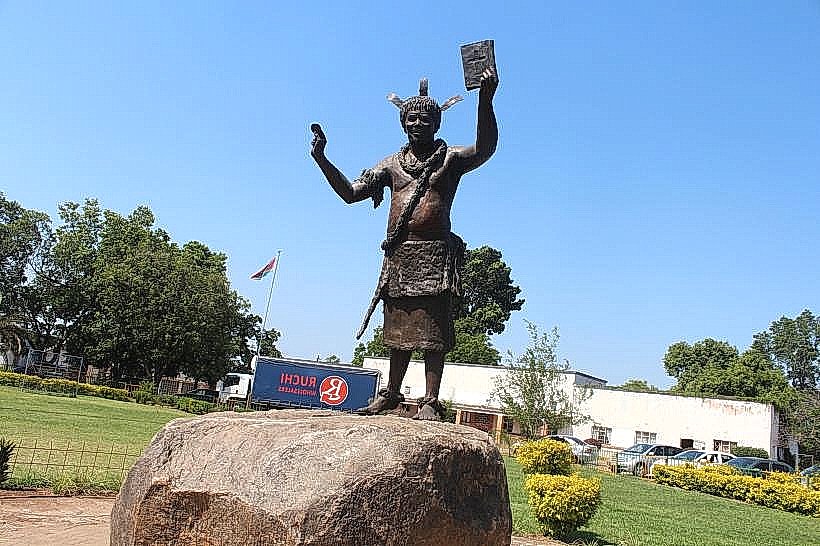
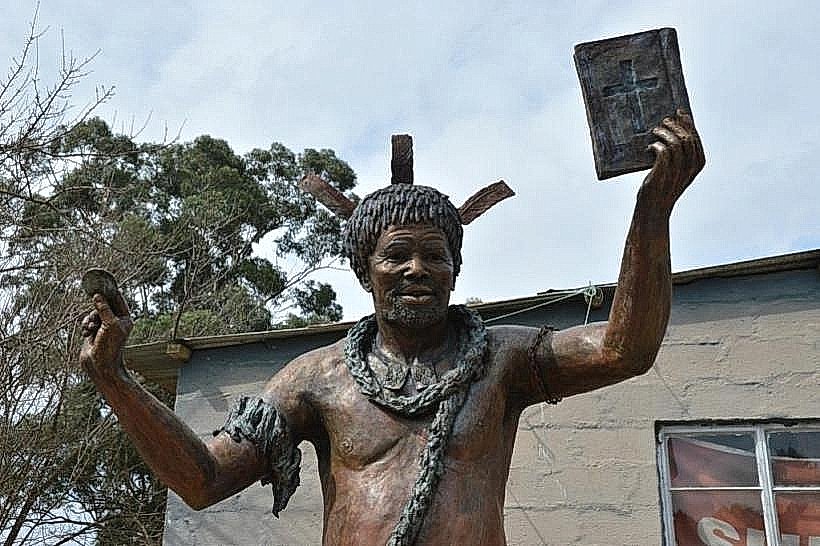
King Sobhuza I Statue: 0.5km South
Manzini National Library: 0.6km South
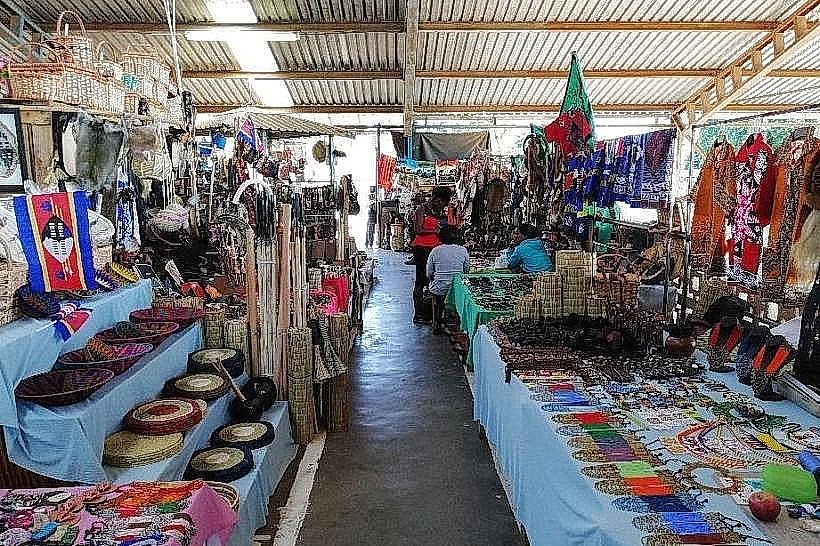
Manzini Market: 0.6km Southeast