Landmark: Matavai Bay
City: Tahiti
Country: French Polynesia
Continent: Australia
Matavai Bay, Tahiti, French Polynesia, Australia
Matavai Bay is a significant historical and geographical feature located on the northern coast of Tahiti, French Polynesia.
This bay served as a primary anchorage for European explorers and remains a point of interest for its historical connections and natural setting.
Visual Characteristics
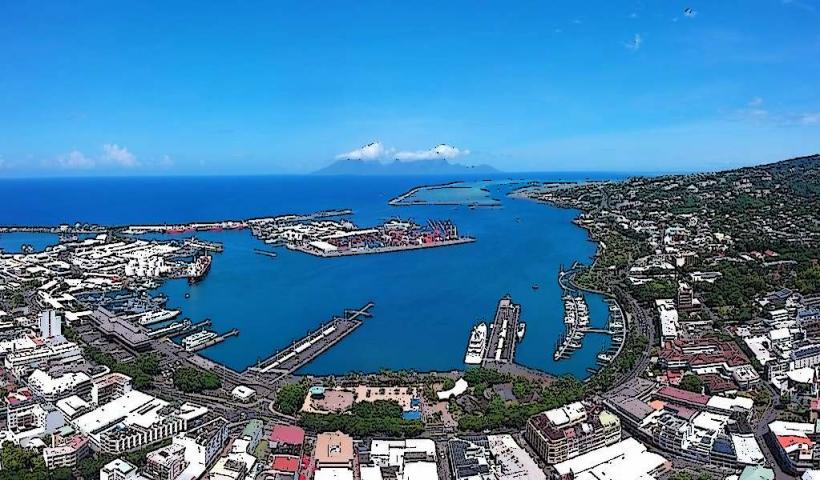
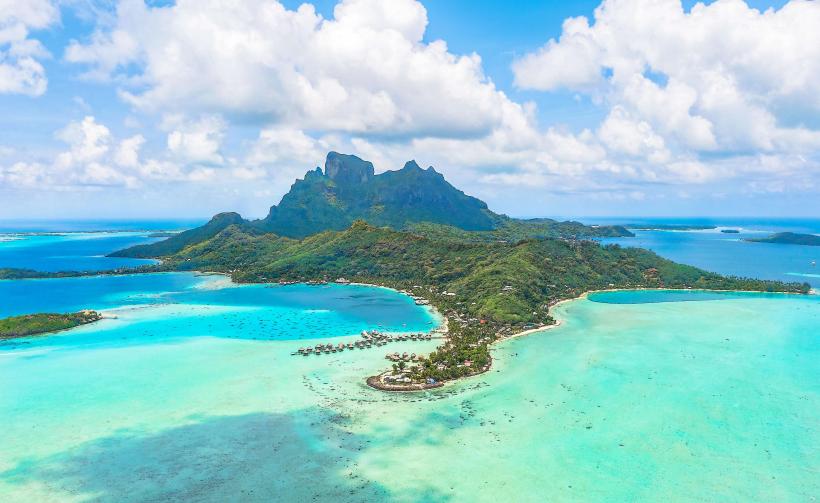
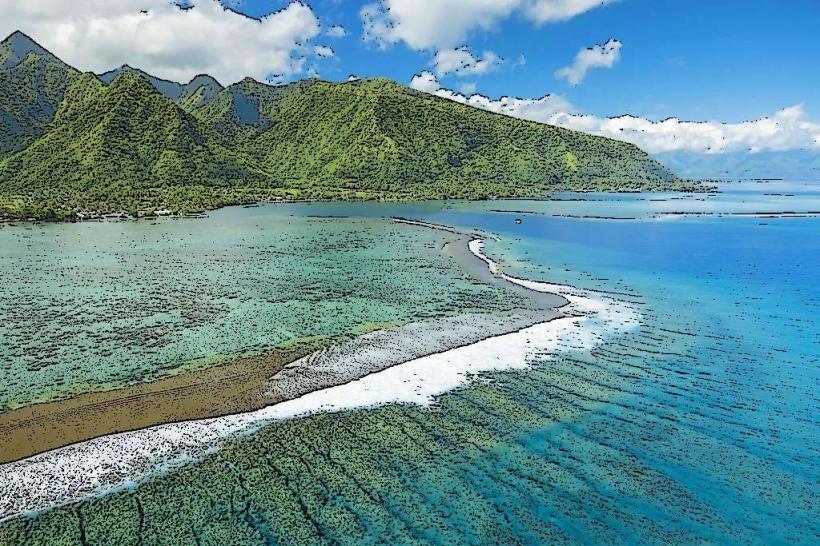
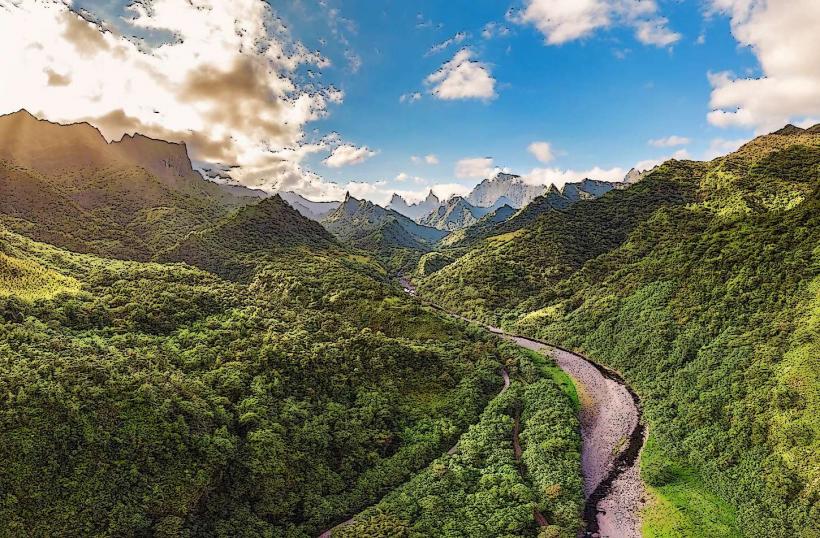
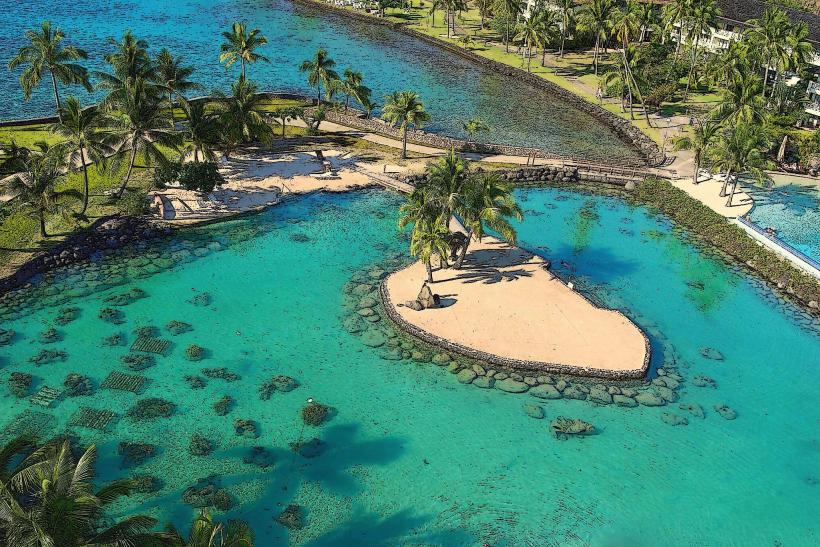
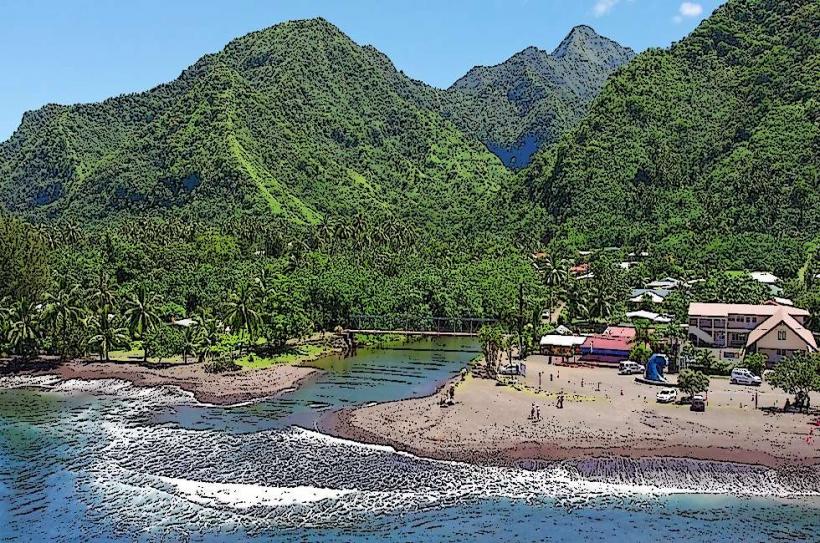
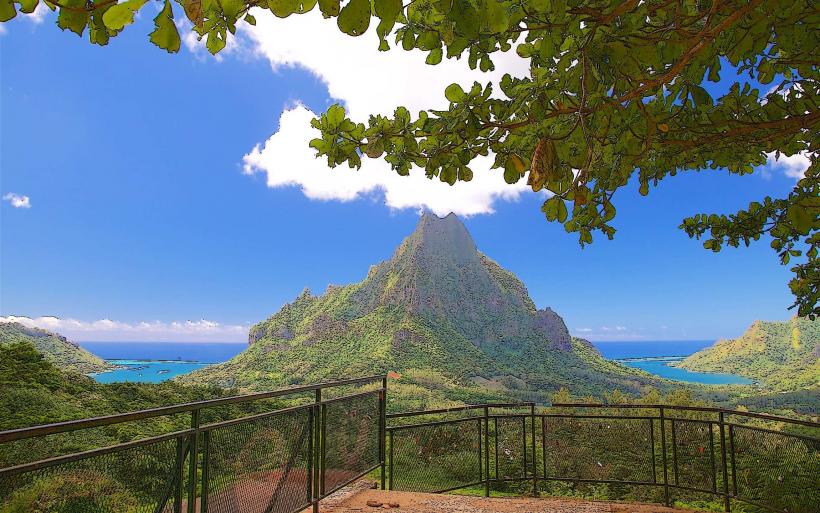
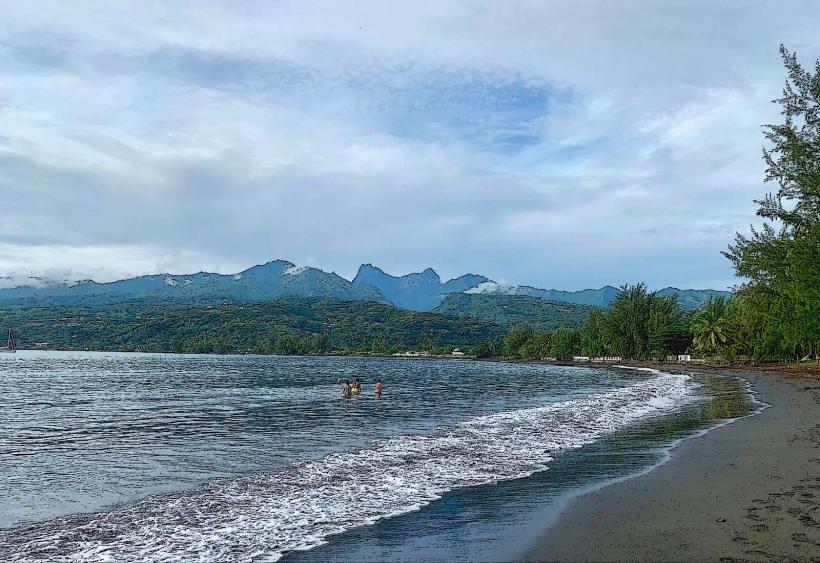
The bay is characterized by its deep blue water, with depths reaching up to 30 meters in the central channel. The shoreline is a mix of dark volcanic sand and coral fragments. Vegetation along the coast consists of dense tropical foliage, including coconut palms and breadfruit trees. The bay opens to the Pacific Ocean, with views of the island of Moorea on clear days.
Location & Access Logistics
Matavai Bay is situated approximately 10 kilometers northwest of Papeete, the capital city of Tahiti. Access is via Route 13 (Boulevard Pomare), which runs along the northern coast. Driving from Papeete takes approximately 20-30 minutes, depending on traffic. Public parking is available at designated points along the bay, though it can be limited during peak hours. Bus line 15 serves the area, with stops at regular intervals near the bay.
Historical & Ecological Origin
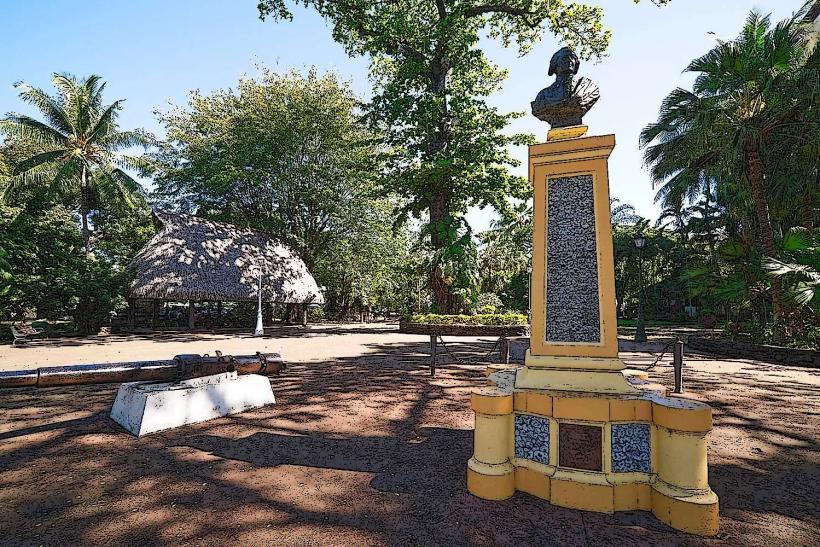
Historically, Matavai Bay was a crucial landing site for European navigators, including Captain James Cook in 1769 and Louis-Antoine de Bougainville in 1768. It was chosen for its sheltered waters and proximity to fresh water sources. Ecologically, the bay is part of a fringing reef system, though much of the original coral has been impacted by sedimentation and human activity over time.
Key Highlights & Activities
Visitors can observe the historical significance of the bay, which was once the site of a British astronomical observatory. Swimming and sunbathing are possible on the accessible shorelines. Boat tours often depart from nearby marinas, offering views of the bay from the water. Fishing is a common activity for local residents.
Infrastructure & Amenities
Limited amenities are directly within Matavai Bay. Restrooms are not consistently available. Shade is provided by natural vegetation. Cell phone signal (4G/5G) is generally good in the area. Food vendors are typically found in the nearby town of Arue, rather than directly at the bay itself.
Best Time to Visit
The best time for clear ocean views and comfortable temperatures is during the dry season, from May to October. Mid-morning offers good lighting for photography of the bay and surrounding landscape. High tide is generally preferred for swimming and water activities.
Facts & Legends
Matavai Bay is famously known as the site where Captain James Cook observed the transit of Venus in 1769, a significant event in astronomical history. Local lore speaks of the bay as a place where ancient Polynesian navigators first landed on Tahiti, guided by celestial patterns.
Nearby Landmarks
- Point Venus Lighthouse (0.8km East)
- Arue Municipal Beach (1.5km West)
- Tomb of King Pomare V (2.2km Southwest)
- Musée de Tahiti et des Îles (4.5km Southwest)