Landmark: Phophonyane Falls Nature Reserve
City: Piggs Peak
Country: Eswatini
Continent: Africa
Phophonyane Falls Nature Reserve, Piggs Peak, Eswatini, Africa
The Phophonyane Falls Nature Reserve is a protected wilderness area and ecotourism sanctuary situated along the rugged northwest highlands near Piggs Peak, Eswatini. Encompassing roughly 600 hectares of montane habitat, the reserve safeguards a rich biodiversity zone focused around a dramatic series of river cascades and ancient geological formations.
Visual Characteristics
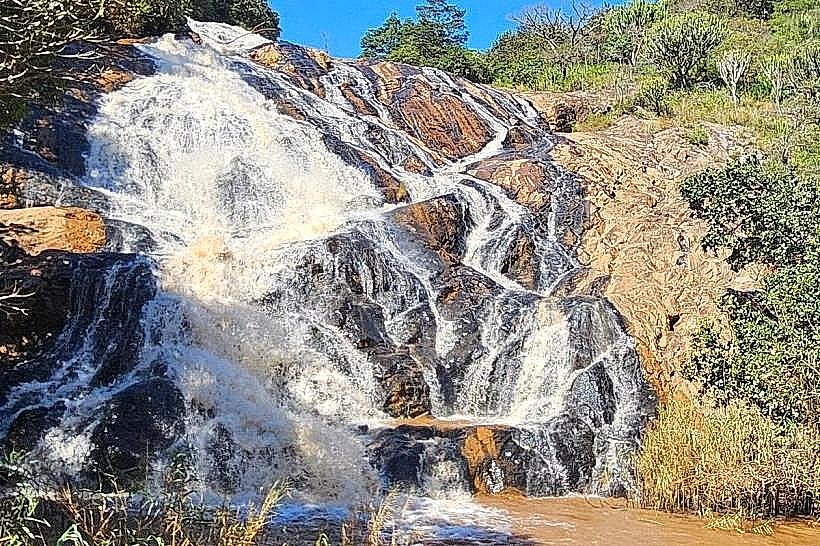
The reserve is defined by a steep, forested river gorge where the Phophonyane River tumbles over an exposed sheet of 3.6-billion-year-old gneiss rock, creating a 12-meter-high main waterfall alongside a succession of tumbling rapids and natural rock pools. The surrounding vegetation forms a dense, multi-layered canopy of sub-tropical riverine forest, rich in large tree ferns, wild orchids, and ancient cycads. Walking tracks consist of narrow, unpaved red-clay trails and rustic wooden boardwalks that wind steeply through the humid undergrowth, emerging at stone-paved viewing platforms overlooking the river chasm.
Location & Access Logistics
The reserve is located approximately 8 kilometers north of the town of Piggs Peak, accessed via a signposted, winding gravel track branching off the primary paved MR1 highway. Drivers must navigate this steep gravel road, which can be rough and requires cautious driving, particularly in standard two-wheel-drive vehicles. Public transport commuters can catch a northbound bus or kombi from Piggs Peak toward the northern border posts, disembarking at the Phophonyane turn-off on the MR1, from which the remaining distance to the reserve gates must be covered by walking or via pre-arranged private transport. An unpaved gravel parking lot is located at the reserve's main reception and lodge area.
Historical & Ecological Origin
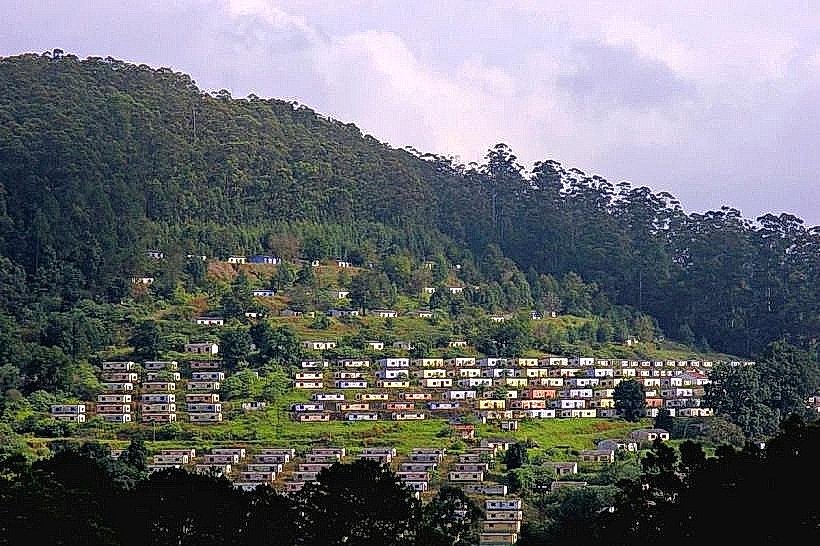
The nature reserve was established in the late 20th century on private land to protect the unique micro-climate of the Phophonyane river gorge from industrial timber plantation encroachment, which dominates the surrounding Piggs Peak plateau. Geologically, the exposed rock face over which the falls cascade ranks among the oldest exposed rock formations on Earth, dating back to the Archean Eon. The site holds ecological significance as a critical sanctuary for localized and threatened species, notably providing nesting habitats for rare forest birds and endemic flora species that thrive exclusively in the spray zone of the waterfalls.
Key Highlights & Activities
Hiking along the 5-kilometer network of managed forest trails to access the upper cascades and the main waterfall viewpoints is the primary activity. Swimming is permitted in designated natural rock pools located directly above the main falls, provided river currents are safe. Bird-watching is highly productive along the riverine boardwalks, with specialized paths designed to view secretive forest species like the Narina trogon and the purple-crested turaco. Photographic documentation of the waterfall and the ancient craggy rock layers is popular from the wooden viewing decks.
Infrastructure & Amenities
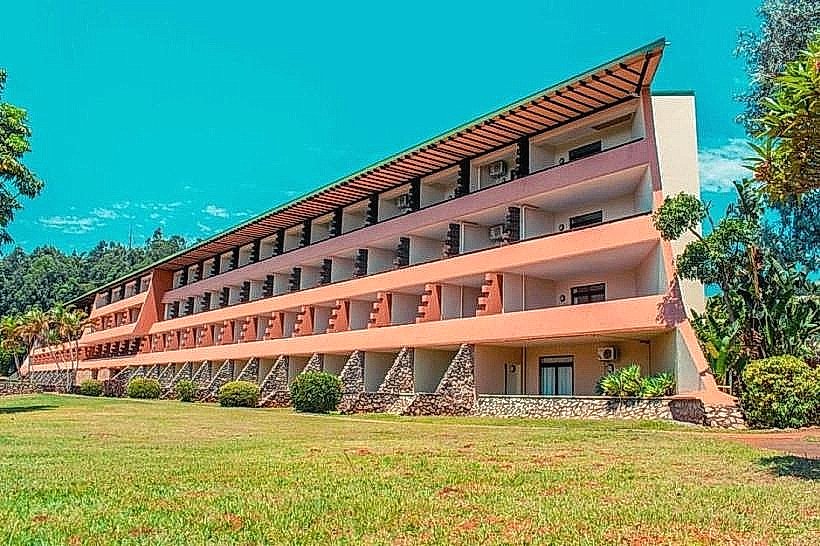
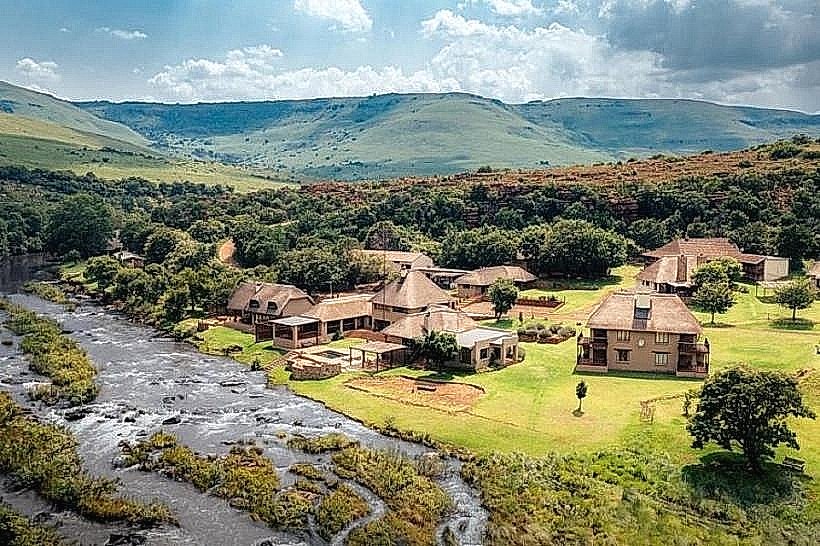
The reserve features basic infrastructure managed by the Phophonyane Falls Eco-Lodge, including public restrooms, cleared viewpoints, and sturdy trail bridges across the river channels. The dense forest canopy provides near-total natural shade along the walking tracks, protecting hikers from solar radiation, though the open rock pools are fully exposed. Cellular signal strength is inconsistent, with weak 3G or 4G connectivity available at the high ridges and lodge area, but dropping completely within the deep gorge and waterfall basin. A full-service restaurant and accommodation units operate inside the reserve boundaries for guests and day visitors.
Best Time to Visit
The reserve gates are open daily from 08:00 to 17:00 for day visitors. The optimal time for photography at the waterfall is during the mid-morning between 09:30 and 11:30, when the sun penetrates the deep river gorge without creating extreme high-contrast shadows through the forest canopy. The summer wet season from November to March yields the most powerful water volumes over the falls, though the unpaved trails can become slick with mud. The dry winter months from May to August offer cooler, bug-free hiking conditions with crystal-clear water pools, though the waterfall volume is significantly reduced.
Facts & Legends
A tragic Swazi folklore narrative explains the origin of the waterfalls: local legend states that a young warrior went hunting on the nearby Gobolondlo Mountain to secure a dowry for his beloved, but he was captured and spirited away by the mountain gods. Distraught by his disappearance, the young maiden wept so intensely that her continuous tears flooded down the steep rock faces of the gorge, transforming into the rushing waters of the Phophonyane Falls to permanently mirror her grief.
Nearby Landmarks
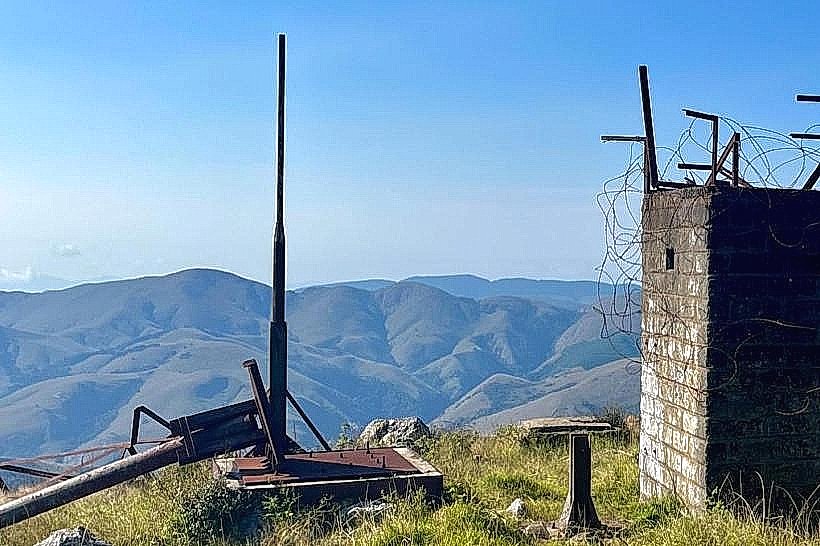
Gobolondlo Mountain Peak: 3.5km South
Piggs Peak Hotel and Casino: 4.2km South
Peak Timbers Industrial Plantation: 4.5km West
Piggs Peak Central Market: 7.5km South
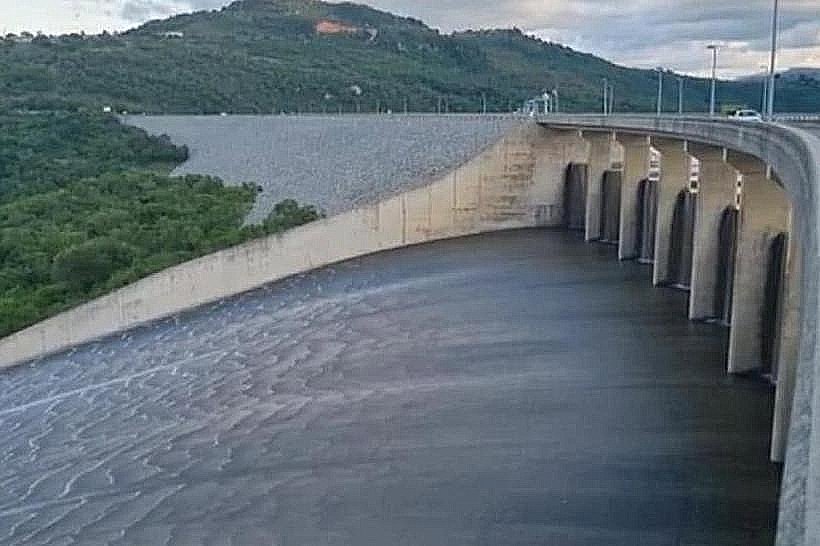
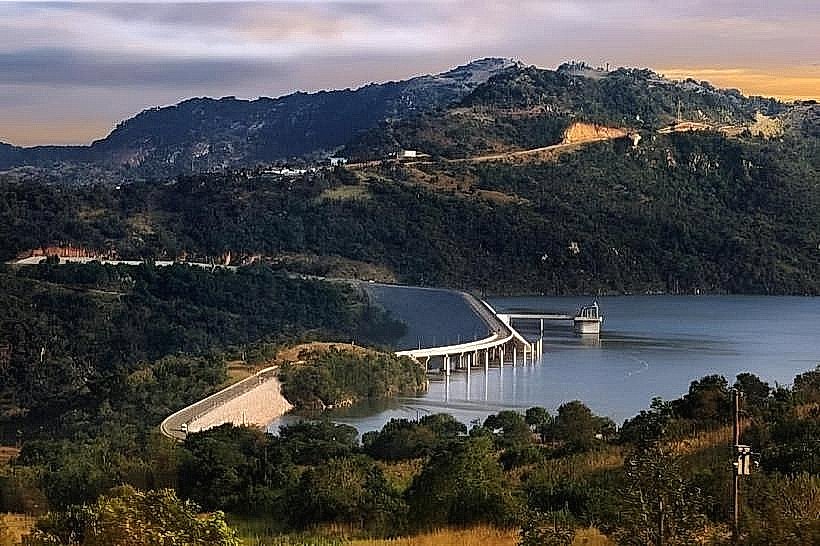
Maguga Dam Wall: 14.5km Southeast