Landmark: The Strip
City: Las Vegas
Country: USA Nevada
Continent: North America
The Strip, Las Vegas, USA Nevada, North America
The Strip is a 4.2-mile (6.8 km) stretch of Las Vegas Boulevard South in Paradise, Nevada, USA. It is recognized globally as a center for entertainment, gaming, and hospitality.
Visual Characteristics
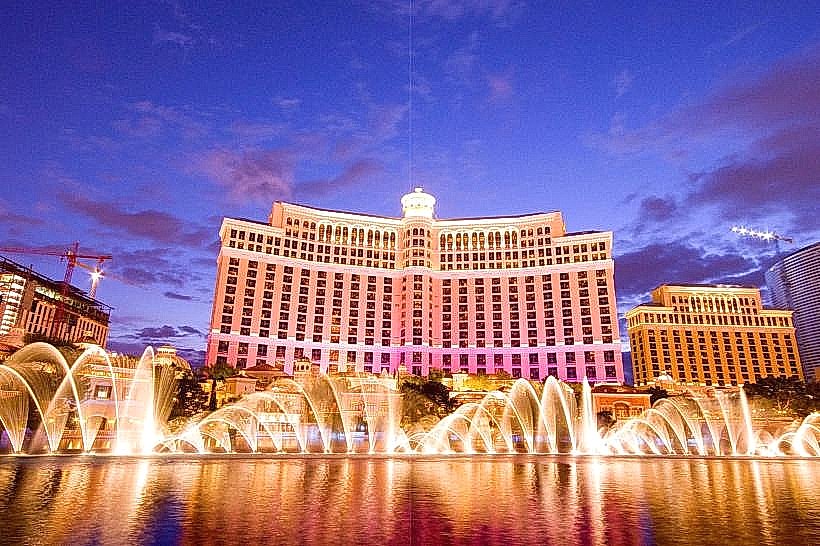
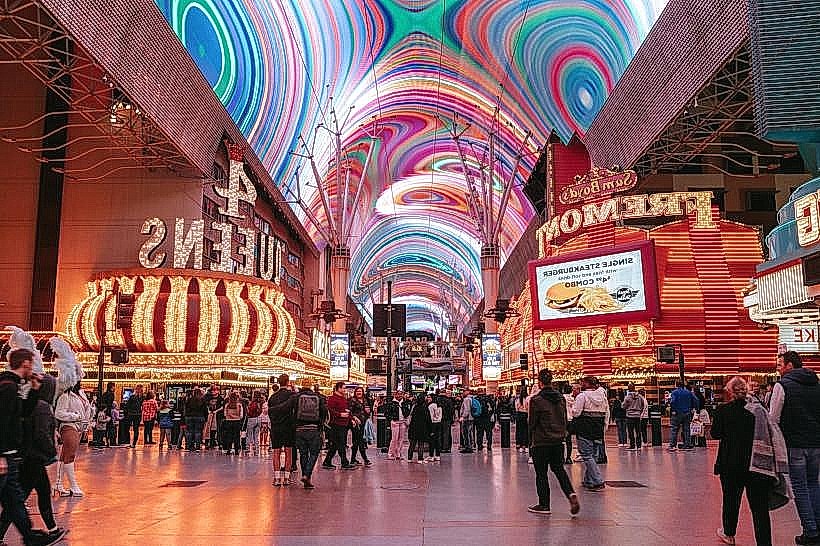
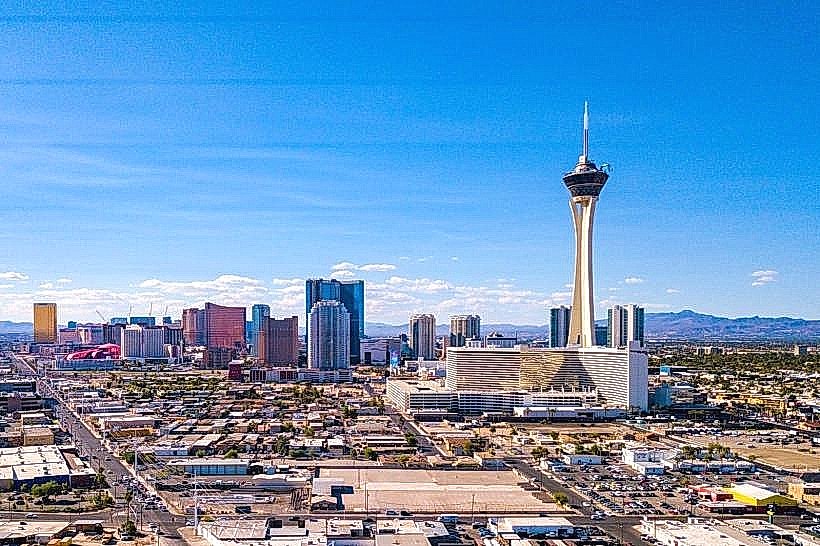
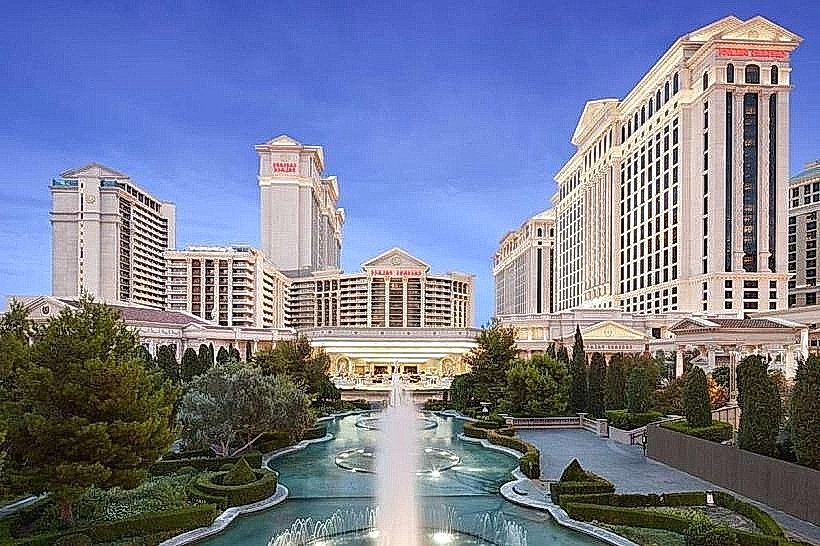
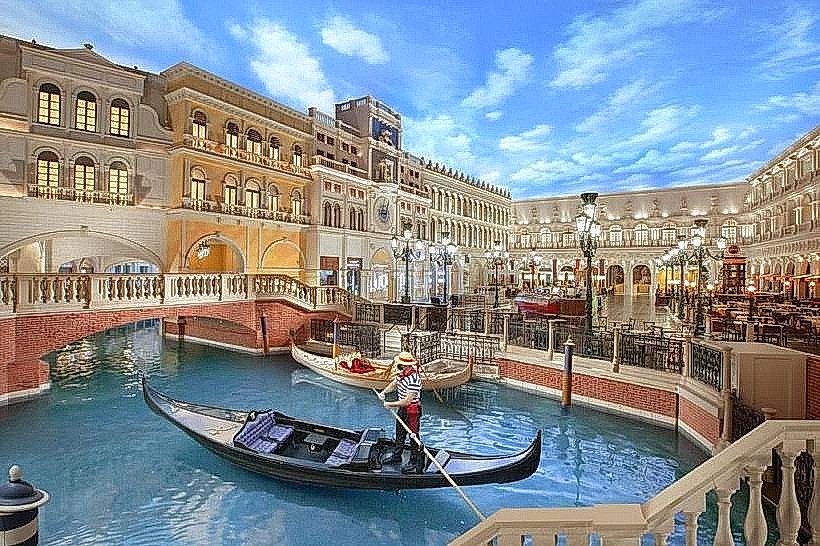
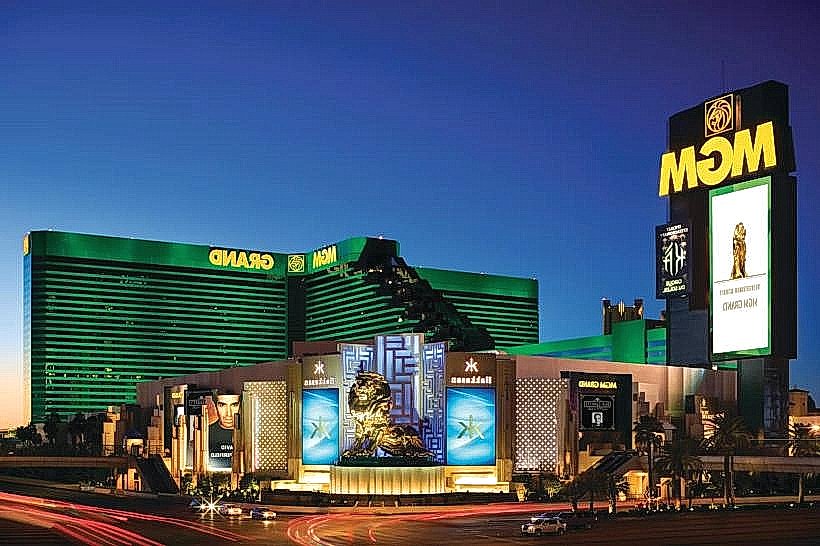
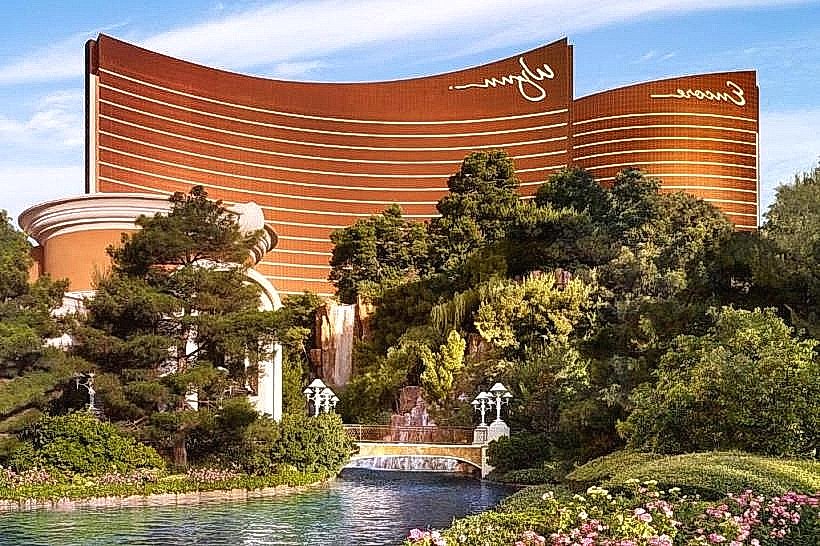
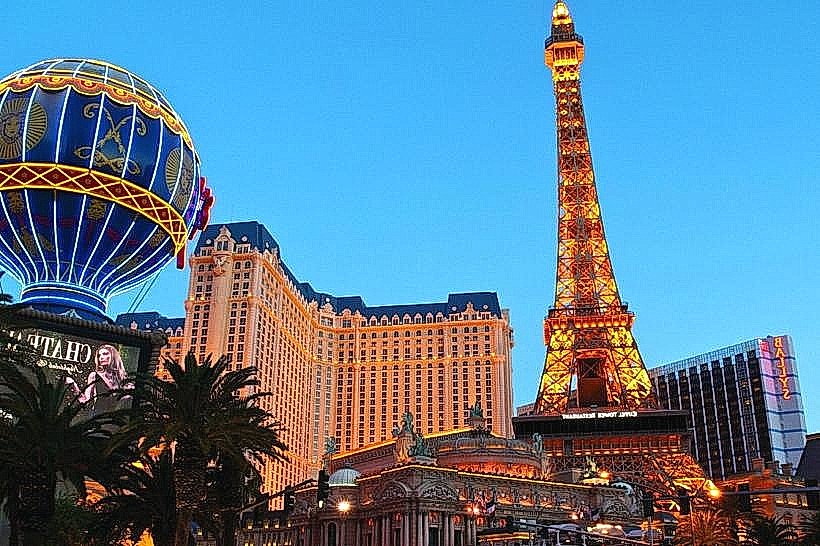
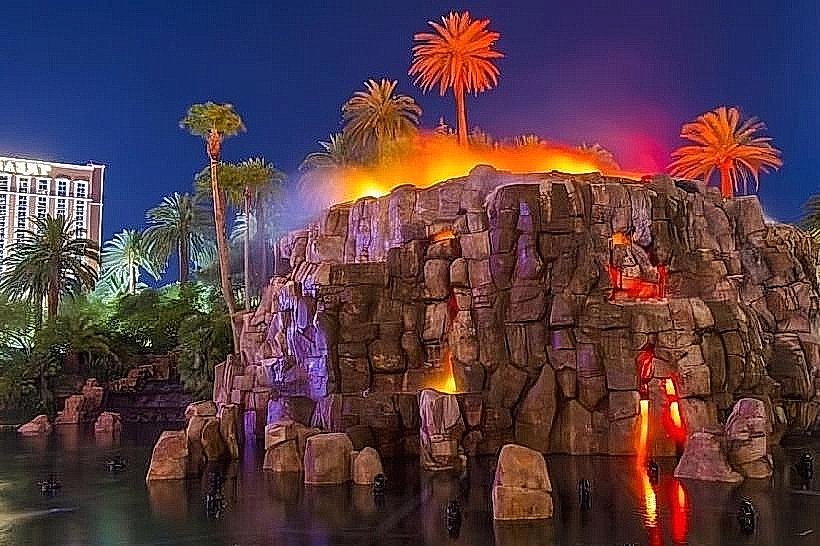
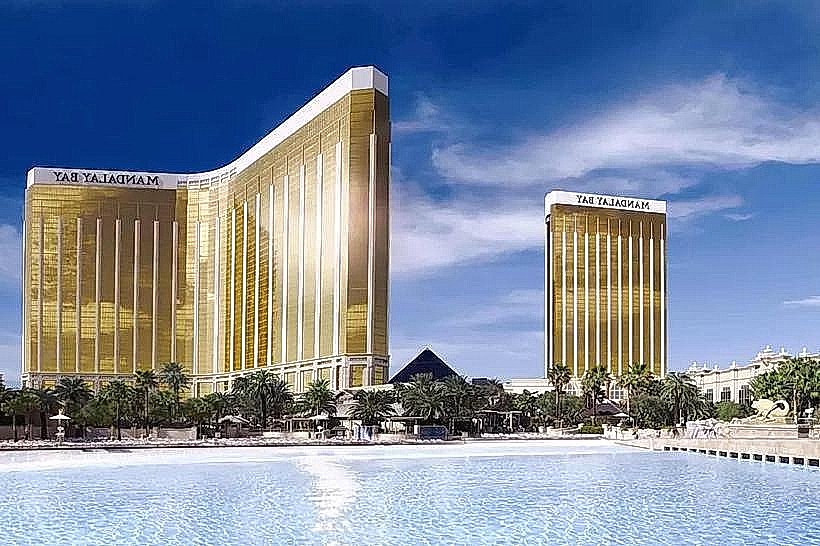
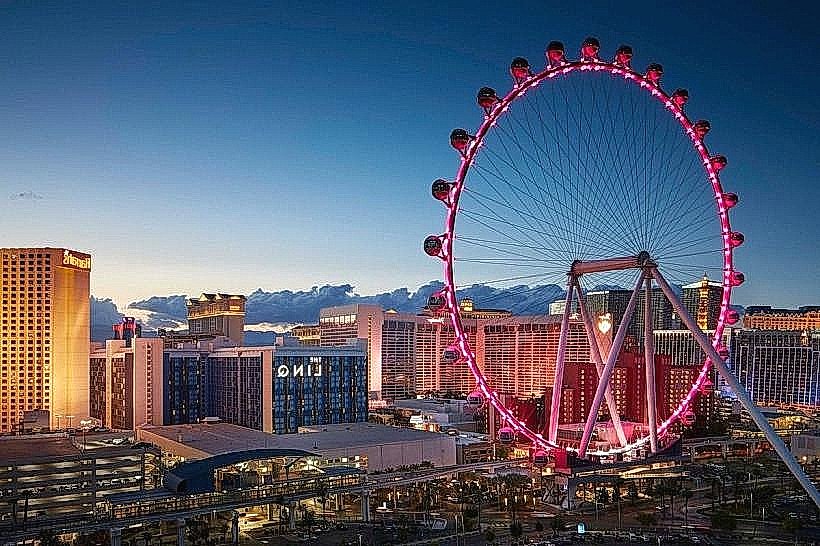
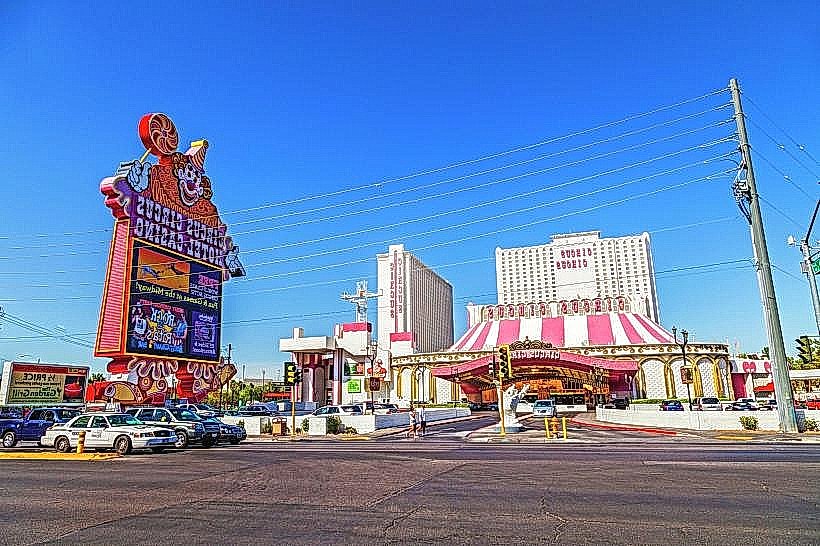
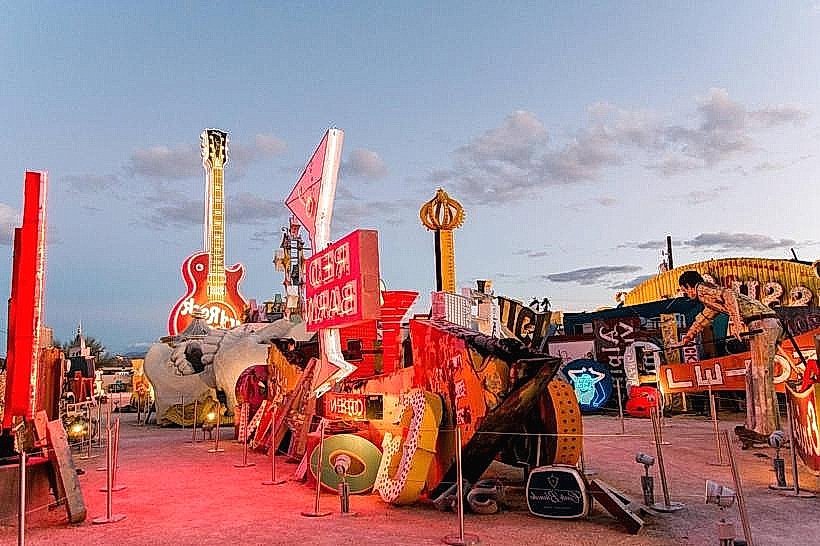
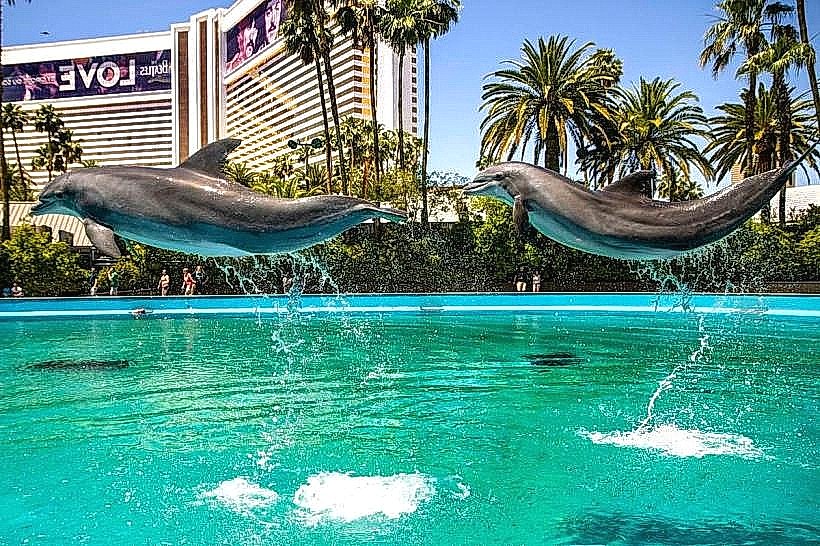
The Strip is characterized by a dense concentration of large-scale resort hotels and casinos. Structures vary in height, with many exceeding 30 stories. Architectural styles are diverse, often incorporating themed designs such as ancient Egypt, medieval castles, and futuristic cityscapes. Exterior materials include concrete, steel, glass, and decorative facades. Extensive use of neon and LED lighting is a defining visual element, particularly at night.
Location & Access Logistics
The Strip is located south of the Las Vegas city limits, primarily within the unincorporated towns of Paradise and Winchester. It begins approximately 4 miles (6.4 km) southwest of McCarran International Airport (LAS). Access is via Interstate 15 (I-15) at exits 38, 39, and 40. Numerous surface streets connect to I-15. Parking is available in multi-story garages and surface lots at individual resorts, often with fees. Public transport includes the RTC (Regional Transportation Commission) bus system, with routes like the Deuce and the SDX (Strip & Downtown Express) operating along Las Vegas Boulevard. Ride-sharing services are also prevalent.
Historical & Ecological Origin
The area's development as a resort destination began in the 1940s with the construction of the El Rancho Vegas and Last Frontier hotels. Its growth accelerated in the 1950s and 1960s with significant investment and the establishment of large casino resorts. The land itself is situated within the Mojave Desert, characterized by arid conditions and sparse native vegetation.
Key Highlights & Activities
Activities include casino gaming (slots, table games), attending live shows (concerts, residencies, magic shows), dining at a wide range of restaurants, visiting themed attractions within resorts, shopping at high-end boutiques, and experiencing elaborate water features and light displays. Observation decks offer panoramic views. Pool complexes are a common amenity.
Infrastructure & Amenities
Restrooms are available within all resorts and public areas. Shade is provided by canopies, building overhangs, and indoor environments. Cell phone signal (4G/5G) is generally strong throughout the area. Food vendors, cafes, and restaurants are abundant within the resorts and along the boulevard.
Best Time to Visit
For photography, early morning (sunrise) and late evening (post-sunset) offer distinct lighting conditions. The best months for weather are typically March through May and September through November, with average daytime temperatures ranging from 60°F to 85°F (15°C to 29°C). Summer months (June-August) are extremely hot, with average highs exceeding 100°F (38°C). Winter months (December-February) are cooler, with average highs in the 50s°F (10s°C).
Facts & Legends
The Flamingo hotel, opened in 1946 by mobster Bugsy Siegel, is considered one of the first modern casino resorts on the Strip. A persistent urban legend suggests that the original foundations of some older casinos are built on unstable ground, leading to slight, imperceptible shifts over time.
Nearby Landmarks
Welcome to Fabulous Las Vegas Sign: 4.5km South
MGM Grand Garden Arena: 0.8km South
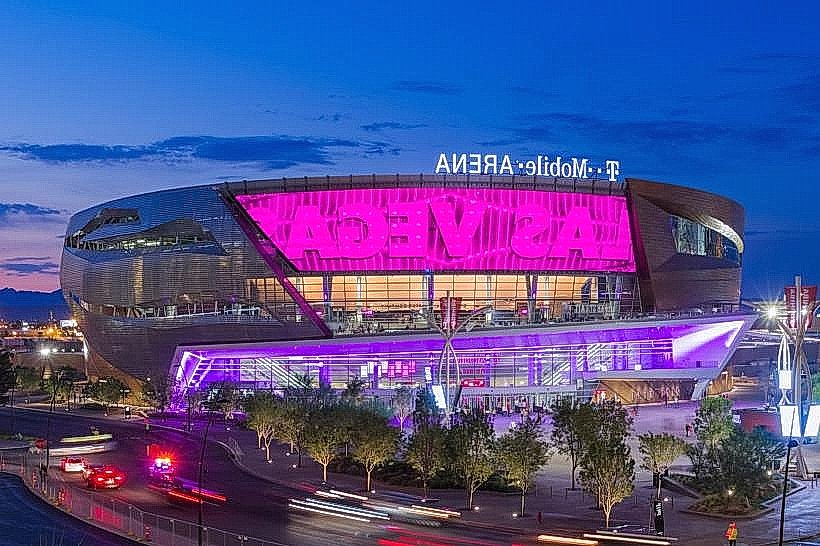
T-Mobile Arena: 1.2km Southwest
Fashion Show Mall: 0.5km North
Arts District (Downtown Las Vegas): 7km Northeast