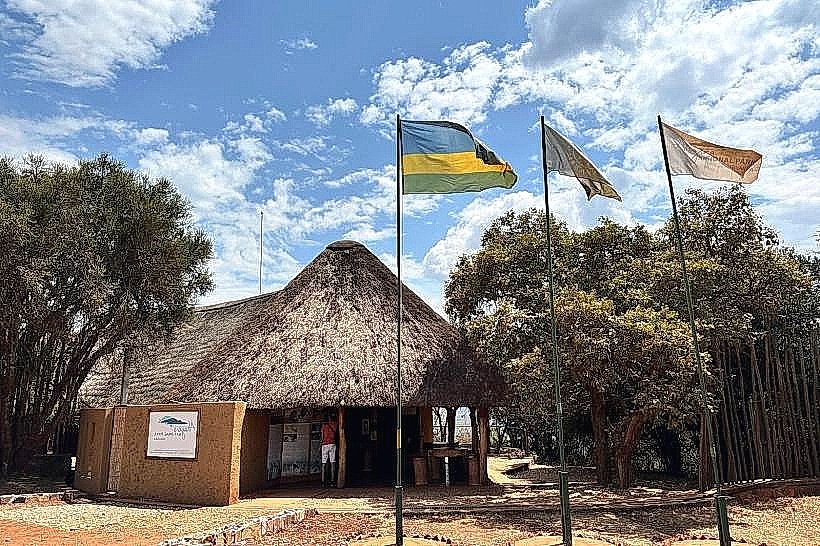
Landmark: Akagera Traditional Cultural Village
City: Kayonza
Country: Rwanda
Continent: Africa
Akagera Traditional Cultural Village, Kayonza, Rwanda, Africa
Akagera Traditional Cultural Village is a community-based heritage site located on the eastern periphery of Akagera National Park in the Kayonza District. It serves as a living museum designed to demonstrate the pastoral and agricultural lifestyles of the eastern Rwandan savanna regions.
Visual Characteristics
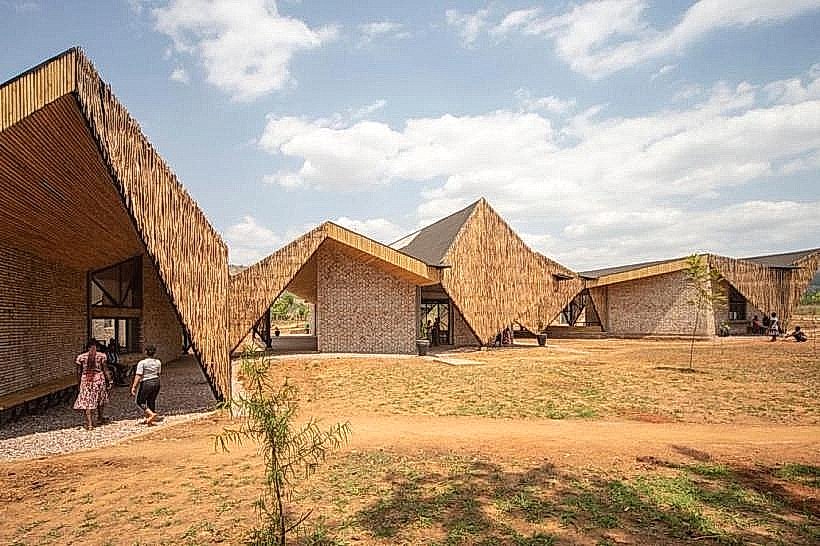
The village is composed of several "Inzu" (traditional huts) featuring domed, grass-thatched roofs and woven reed walls. The central focal point is a circular cattle kraal (ikibuguzo) constructed from sturdy acacia branches. The aesthetic is defined by earth-toned organic materials, set against a backdrop of flat acacia-spotted savanna and distant rolling ridges.
Location & Access Logistics
The site is situated in the Humure sector, approximately 3km from the Akagera National Park South Gate. Access is via the RN3 highway to Kayonza, followed by the unpaved park access road. Most visitors reach the village via motorcycle taxi or private 4x4 vehicle as part of a pre- or post-safari itinerary. A small dirt parking area is located at the village entrance.
Historical & Ecological Origin
The village was established by local community cooperatives to preserve the specific heritage of the eastern plains, which historically differed from the central highlands due to the prevalence of cattle-herding and a semi-arid climate. Geologically, the site sits on the granite-based soils of the eastern plateau. The village operates as a sustainable tourism initiative, providing an alternative income source for communities bordering the national park.
Key Highlights & Activities
Cattle Milking & Grooming: Visitors can participate in the morning or evening milking of local long-horned cattle using traditional wooden vessels (ibyansi).
Traditional Food Preparation: Demonstrations of grinding grain with stones and the preparation of "Urwagwa" (banana beer) or honey harvesting.
Blacksmithing & Crafting: Observation of local iron-working techniques and the weaving of "Agaseke" baskets.
Folk Storytelling: Evening sessions involving traditional dance and oral histories regarding the coexistence of humans and wildlife in the Akagera basin.
Infrastructure & Amenities
The facility includes a communal greeting pavilion, several demonstration huts, and basic pit latrine restrooms. Shade is provided by the wide eaves of the thatched structures and large acacia trees. 4G cellular signal is stable. There are no modern restaurants on-site, but traditional meals can be arranged for groups with prior notice.
Best Time to Visit
The village is most active during the early morning (07:00–09:00) for cattle-related activities or late afternoon (16:00–18:00) for evening chores and storytelling. The dry seasons (June–August and December–February) offer the most reliable access via the unpaved approach roads.
Facts & Legends
A local tradition held at the village is the "Blessing of the Calf," where specific songs are sung to ensure the health of the herd. A specific tip for visitors: while the village is a reconstruction for tourism, the participants are local residents who maintain these skills in their daily lives; engaging in the activities is encouraged and considered a sign of respect.
Nearby Landmarks
Akagera National Park South Gate – 3.0km East
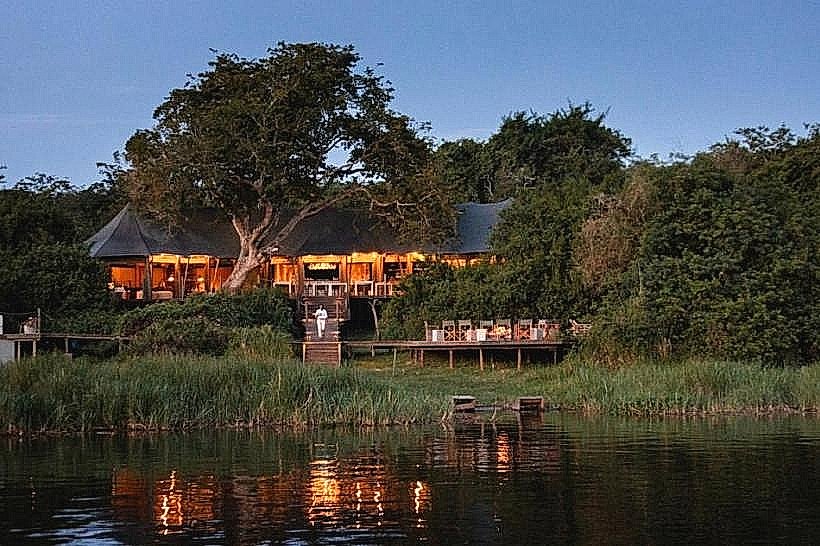
Ruzizi Tented Lodge – 5.5km East
Kayonza Town – 32km West
Lake Ihema – 8.0km East
Imigongo Art Center – 42km Southeast