Landmark: Magashi Safari Camp
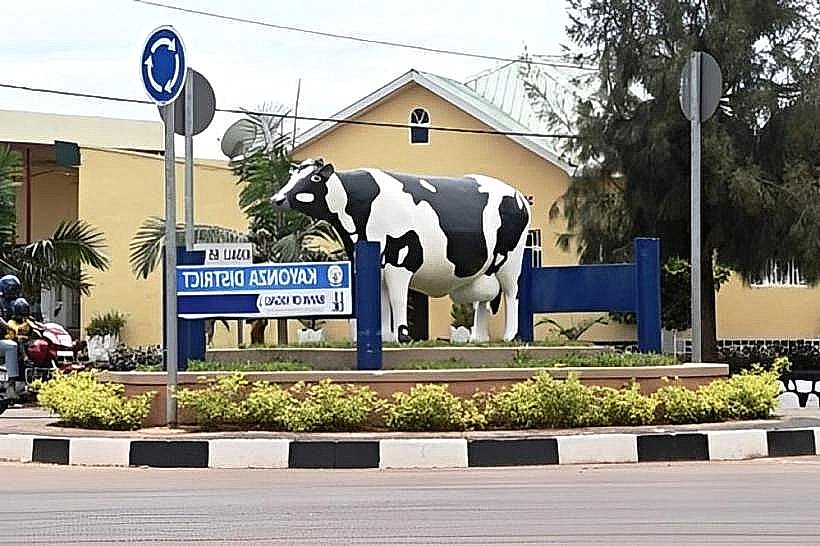
City: Kayonza
Country: Rwanda
Continent: Africa
Magashi Safari Camp, Kayonza, Rwanda, Africa
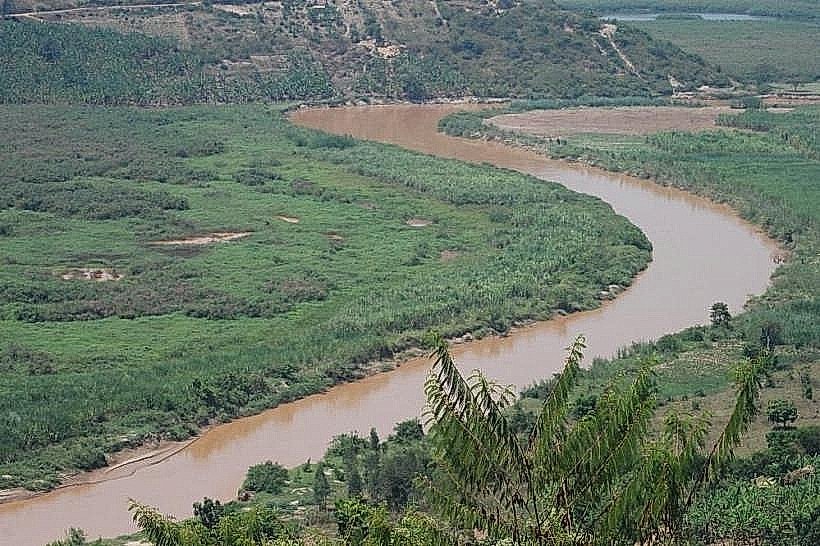
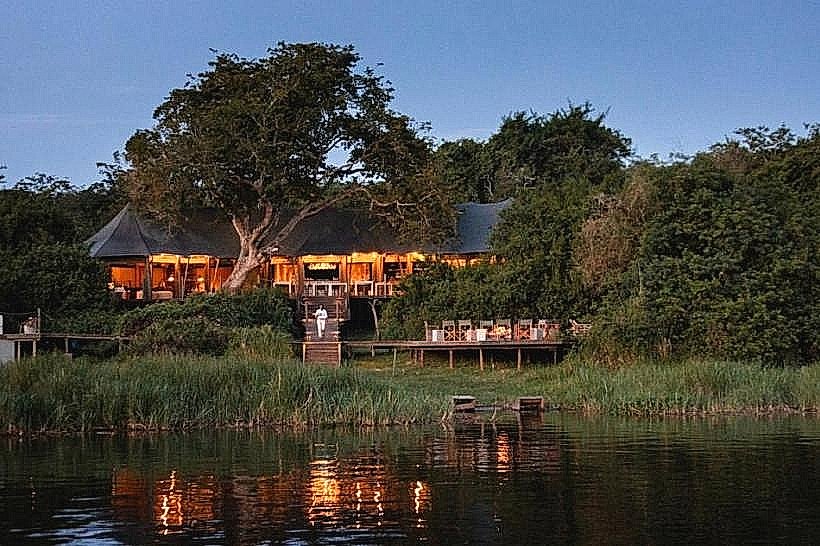
Magashi Safari Camp is a high-end eco-luxury lodge situated in the remote Amahoro Peninsula within the northern sector of Akagera National Park, Kayonza District. It is the only private concession in the park, offering a specialized wilderness experience focused on the conservation of the Eastern Black Rhino and the park's lion populations.
Visual Characteristics
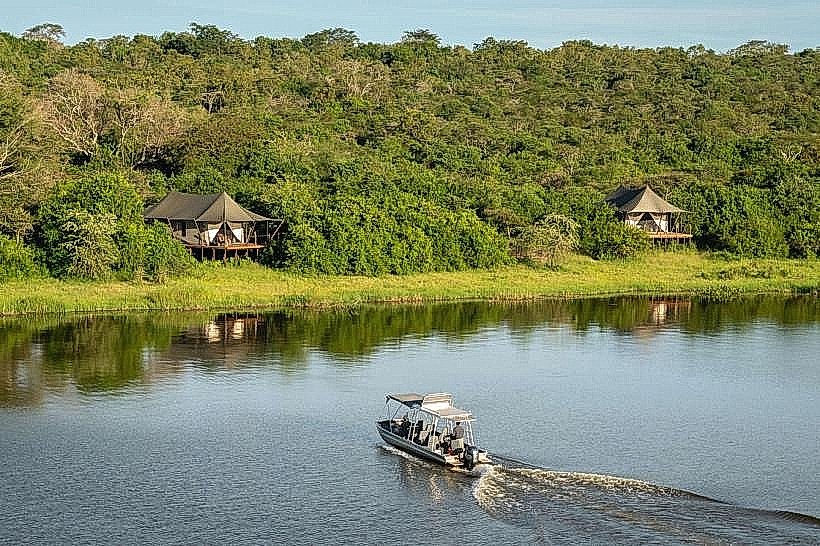
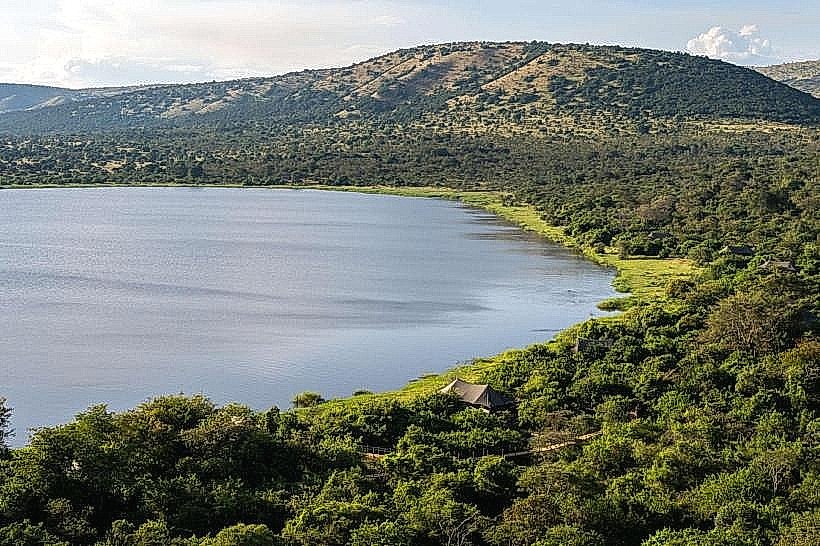
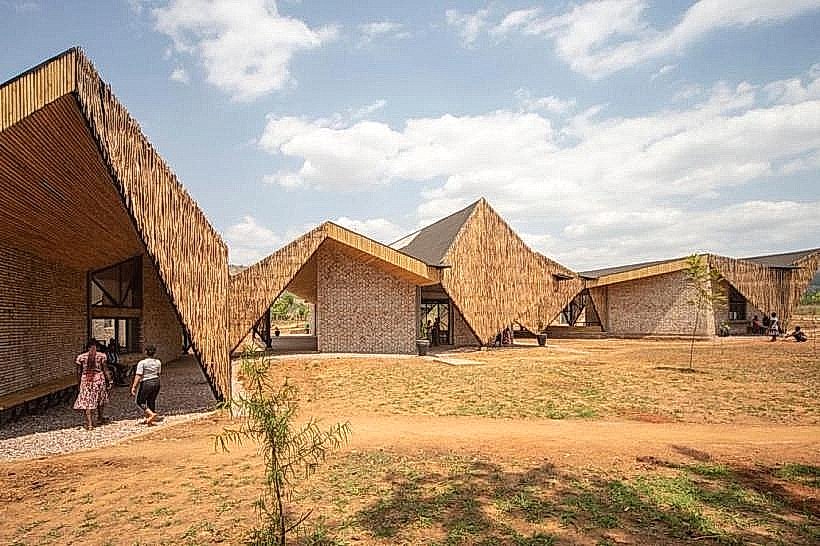
The camp features six spacious, airy tented suites elevated on wooden decks, designed to mimic the traditional architectural curves of the Rwandan Royal Palace. The aesthetic utilizes a palette of earth tones, "Imigongo" geometric patterns, and sustainable timber, all set under expansive canvas roofs. Each suite offers an unobstructed 180-degree view of Lake Rwanyakazinga and the surrounding high-canopy riverine woodland.
Location & Access Logistics
Magashi is located in the far northeastern corner of Akagera National Park. Access is restricted to 4x4 vehicles; the drive from the park’s South Gate takes approximately 3 to 4 hours through varied terrain. Alternatively, guests can use the park’s North Gate (Nyungwe), which is closer to the camp but often requires pre-cleared access. Most visitors arrive via a scheduled bush-flight to the nearby Magashi airstrip or a coordinated boat transfer across Lake Rwanyakazinga from a designated pick-up point.
Historical & Ecological Origin
The camp was established in 2019 through a partnership between Wilderness (a conservation-led travel company), African Parks, and the Rwanda Development Board (RDB). Geologically, the peninsula consists of ancient metamorphic ridges overlooking the tectonic depressions of the Akagera River system. Historically, this northern sector was a "forgotten" wilderness during the late 20th century, but it has since become the focal point for the successful reintroduction of lions (2015) and black rhinos (2017/2019).
Key Highlights & Activities
Private Concession Safaris: Exclusive access to game drive tracks not available to day-visitors, reducing vehicle density and enhancing predator sightings.
Night Drives: One of the few locations in Rwanda where guided nocturnal safaris are permitted to spot leopards, hyenas, and nightjars.
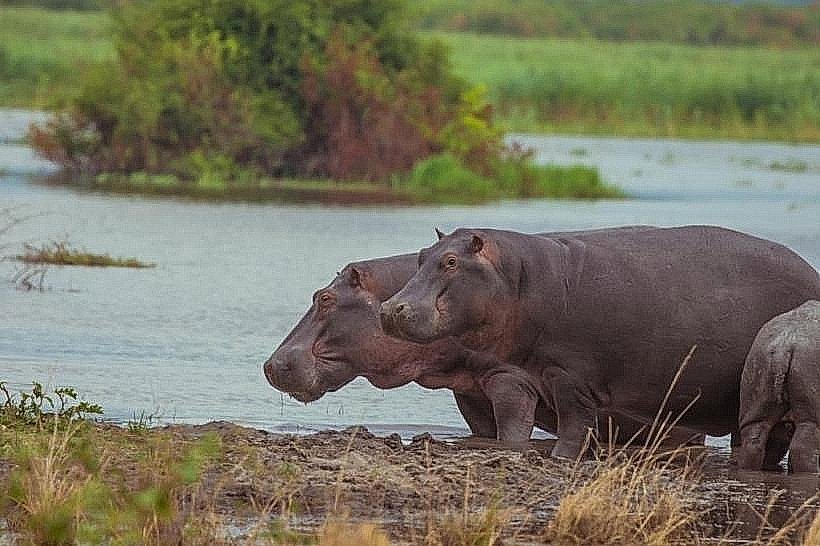
Expert-Led Boat Safaris: Specialized birding and hippo-viewing trips on Lake Rwanyakazinga using silent electric motors to minimize ecological impact.
Conservation Tracking: Opportunities to learn about rhino monitoring and the satellite tracking of the park's lion prides directly from the camp's specialist guides.
Infrastructure & Amenities
The main lodge includes a luxurious lounge, a dining area with a stone fireplace, and a large viewing deck with a fire pit (itandura). Amenities include an infinity pool overlooking the lake, a well-stocked bar, and a small boutique featuring high-quality local crafts. 4G cellular signal is available through a dedicated booster, and high-speed satellite Wi-Fi is provided in the main areas. The camp is 100% solar-powered, reflecting its commitment to a zero-carbon footprint.
Best Time to Visit
The dry season (June to August) is the premium period for viewing large game, as animals congregate around Lake Rwanyakazinga. For birdwatchers, the months of November to April are optimal for seeing migratory species. The camp operates year-round, but the "Emerald Season" (March–May) offers the most vibrant photography opportunities due to the lush, green landscape and dramatic storm clouds.
Facts & Legends
The name "Magashi" refers to the local area's historical name and its association with the "Magashi" hills that overlook the plains. A specific tip for visitors: the camp is unfenced, meaning wildlife-including elephants and hippos-frequently move through the grounds at night; guests are escorted by armed rangers between their tents and the main lodge after dark for safety.
Nearby Landmarks
Lake Rwanyakazinga – 0.1km (Lakeshore)
Kilala Plains – 7.0km North
Mutumba Hills – 15km West
Akagera National Park North Gate – 20km North
Lake Mihindi – 15km South