Landmark: Lake Rwanyakazinga
City: Kayonza
Country: Rwanda
Continent: Africa
Lake Rwanyakazinga, Kayonza, Rwanda, Africa
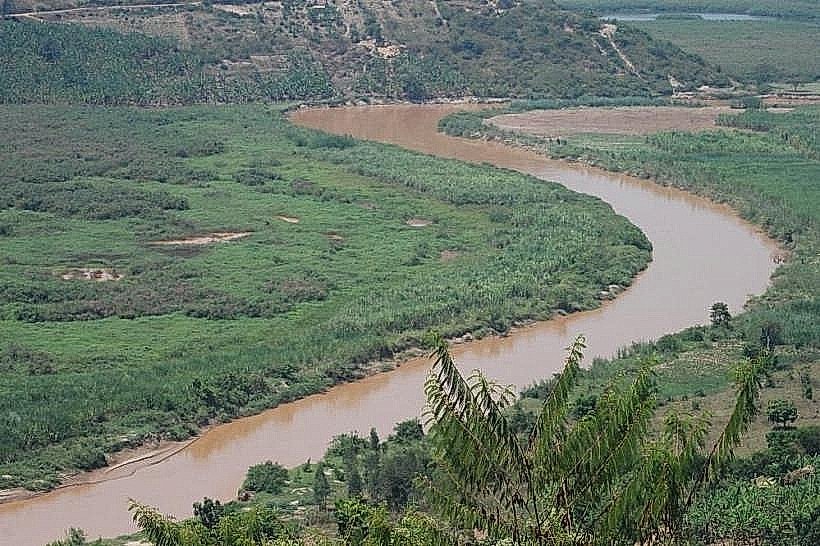
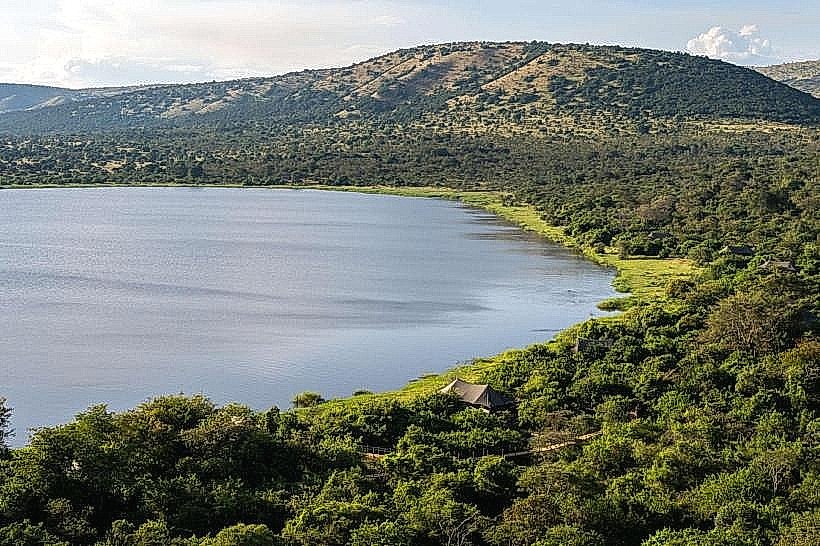
Lake Rwanyakazinga is a moderate-sized freshwater lake located in the northern sector of Akagera National Park, within the Kayonza District of eastern Rwanda. It is part of the complex lacustrine system fed by the Akagera River along the Tanzanian border.
Visual Characteristics
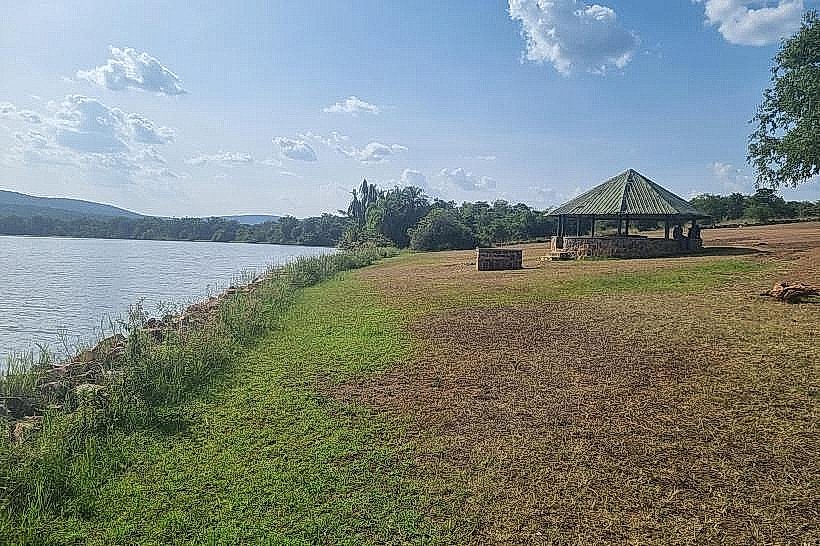
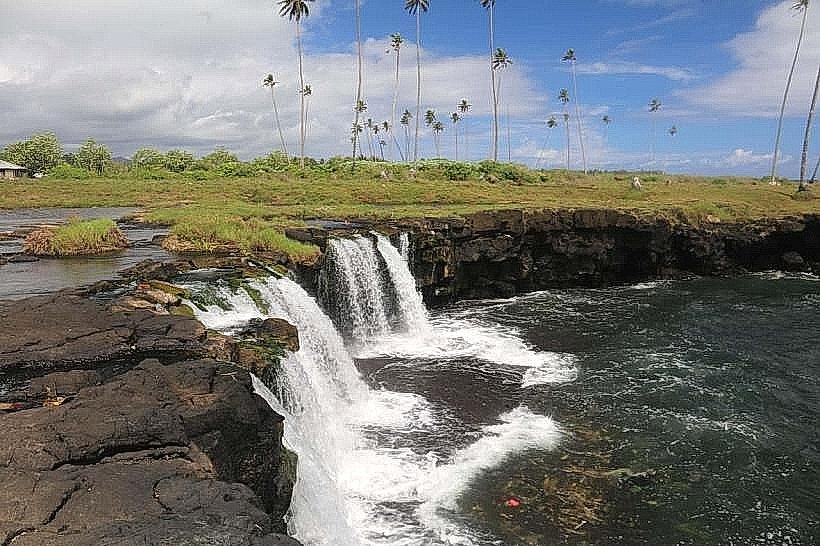
The lake is characterized by exceptionally clear water compared to the siltier southern lakes like Ihema. It is surrounded by high-canopy riverine forests and vast open plains of acacia savanna. The shoreline features low-lying sandy banks and dense stands of Phoenix reclinata (Wild Date Palm), creating a distinct "lowland tropical" aesthetic unique to the northern reaches of the park.
Location & Access Logistics
The lake is situated in the remote northern region of Akagera National Park, approximately 45km north of the park’s South Gate and 25km south of the North Gate (Nyungwe). Access is restricted to 4x4 vehicles due to the rugged and often narrow tracks of the "Northern Circuit." From Kigali, the drive takes roughly 3 to 3.5 hours via the RN3 highway to Kayonza, then heading north toward the park. Most visitors access this area while staying at high-end lodges in the northern sector.
Historical & Ecological Origin
Formed within the tectonic depressions of the East African Rift, the lake is a critical water source for the northern wildlife populations. Historically, this area was less accessible than the southern sector, preserving a more "untouched" wilderness character. It serves as a primary habitat for the reintroduced black rhino population and a significant pride of lions, which frequently hunt along the lake’s forested fringes.
Key Highlights & Activities
Exclusive Game Viewing: The lake is the center of the park's most exclusive wildlife viewing area, with high concentrations of Masai giraffe, plains zebra, and defassa waterbuck.
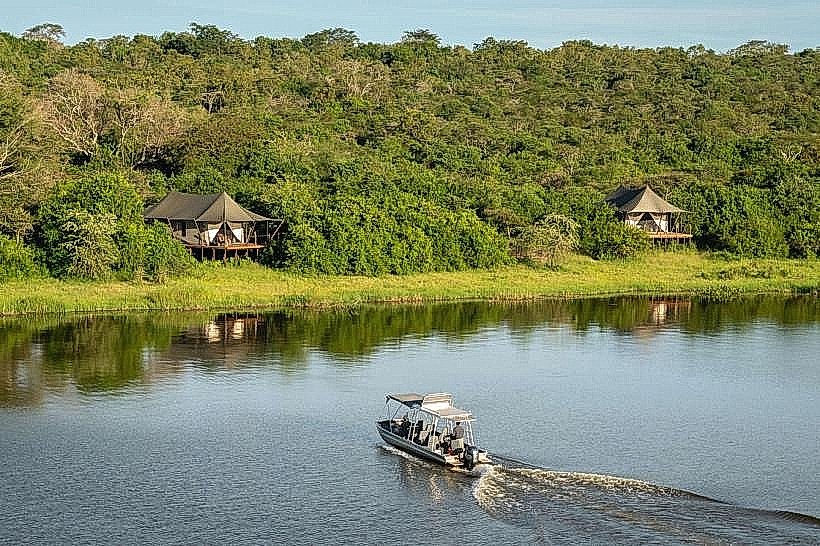
Luxury Boat Safaris: Unlike the larger public boat trips on Lake Ihema, excursions on Rwanyakazinga are typically private and offered specifically to guests of the neighboring luxury camps.
Sport Fishing: Similar to Lake Shakani, controlled catch-and-release fishing is permitted with specific ranger supervision and permits.
Rhino Tracking: The hills overlooking the lake are primary monitoring zones for the park’s Eastern Black Rhino population.
Infrastructure & Amenities
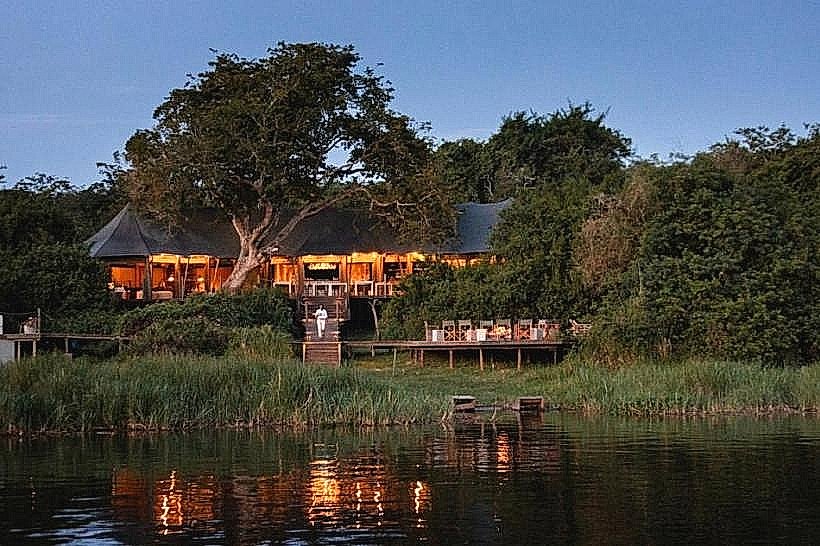
The lake is the site of the Magashi Camp, a high-end eco-luxury lodge. Consequently, infrastructure is geared toward low-impact, high-value tourism. There are no public campsites or day-visitor facilities directly on the lakeshore; those not staying at the luxury camp must utilize the "Mutsibo" or "Muyumbu" campsites further south. 4G cellular signal is available but can be inconsistent due to the remote northern topography.
Best Time to Visit
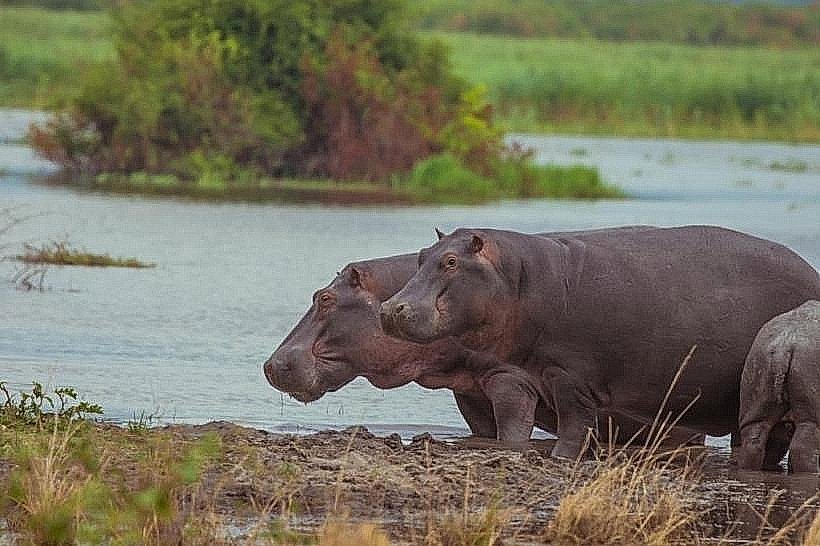
The dry season (June to August) is the absolute best time for visitation, as the thinning vegetation makes predator sightings around the lake significantly easier. For birdwatching, the short rainy season (October to November) brings migratory species from the northern hemisphere. Boat trips are most effective in the early morning (06:30–08:30) when the water is glassy and the hippos are most active.
Facts & Legends
Lake Rwanyakazinga is often called the "Secret Lake" by park rangers because it was historically the most difficult to reach before the recent infrastructure upgrades in the northern sector. A specific tip for visitors: the northern part of the lake is a frequent crossing point for elephants migrating between Rwanda and Tanzania; keep binoculars ready for large herds moving through the papyrus.
Nearby Landmarks
Magashi Camp – 0.5km East
Kilala Plains – 8.0km North
Mutumba Hills – 12km West
Akagera National Park North Gate – 22km North
Lake Mihindi – 15km South