Landmark: Lake Mihindi
City: Kayonza
Country: Rwanda
Continent: Africa
Lake Mihindi, Kayonza, Rwanda, Africa
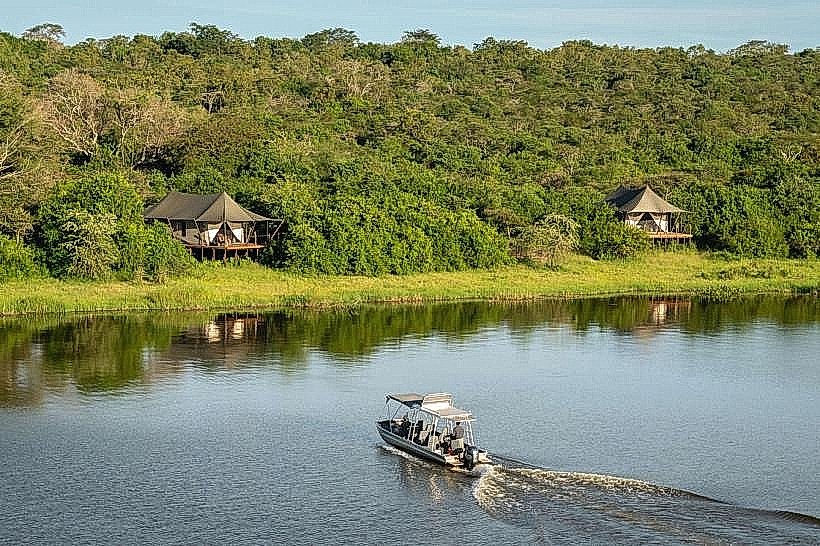
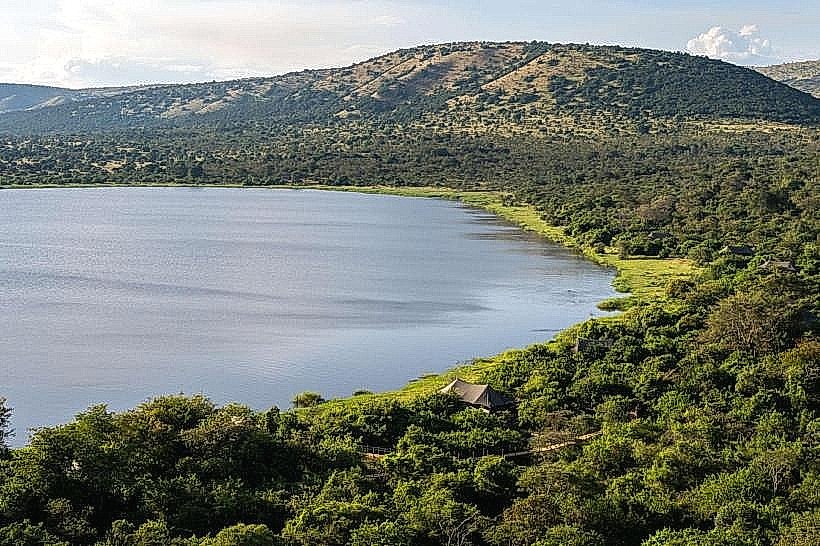
Lake Mihindi is a prominent freshwater lake located in the central-northern sector of Akagera National Park, Kayonza District. It serves as a vital ecological transition zone between the dense papyrus swamps of the south and the open acacia savannas of the north.
Visual Characteristics
The lake is characterized by its deep blue-green waters and a relatively open shoreline compared to the heavily forested Lake Rwanyakazinga. It features expansive grassy banks and several dead trees protruding from the water, which serve as perches for predatory birds. The surrounding topography consists of rolling hills to the west and flat alluvial plains to the east.
Location & Access Logistics
Mihindi is situated approximately 35km north of the park's South Gate and 18km south of the North Gate. It is a major waypoint on the main north-south transit route within the park. Access requires a 4x4 vehicle to navigate the "Mihindi Circuit," which can become challenging during the rainy season. From Kigali, the drive to this specific sector takes roughly 4 hours. Paved parking is non-existent, but there is a designated gravel pull-off at the interpretation site.
Historical & Ecological Origin
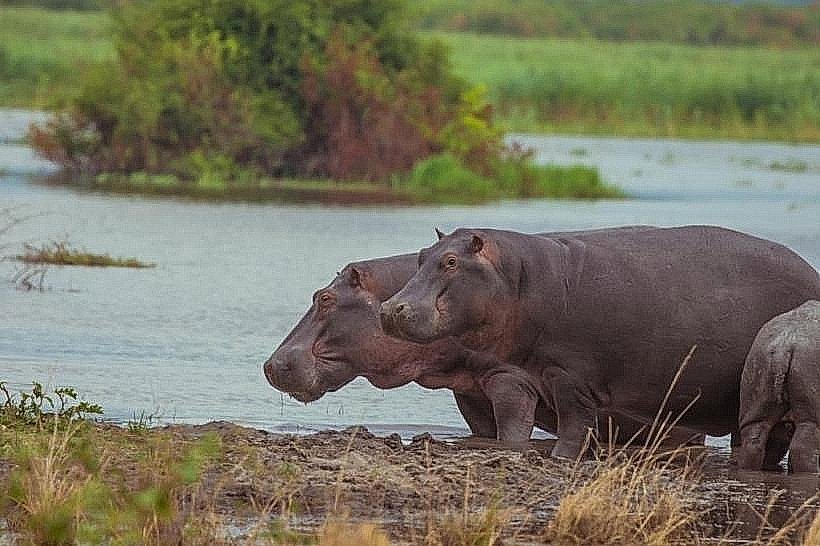
Like other lakes in the Akagera system, Mihindi was formed by the damming of the Akagera River's tributaries by tectonic shifts in the East African Rift. Historically, it was a focal point for the park's early conservation efforts. The lake is ecologically significant for its high concentration of hippopotamus and as a primary watering site for the "Big Five," particularly buffalo and elephants moving between the Mutumba Hills and the eastern wetlands.
Key Highlights & Activities
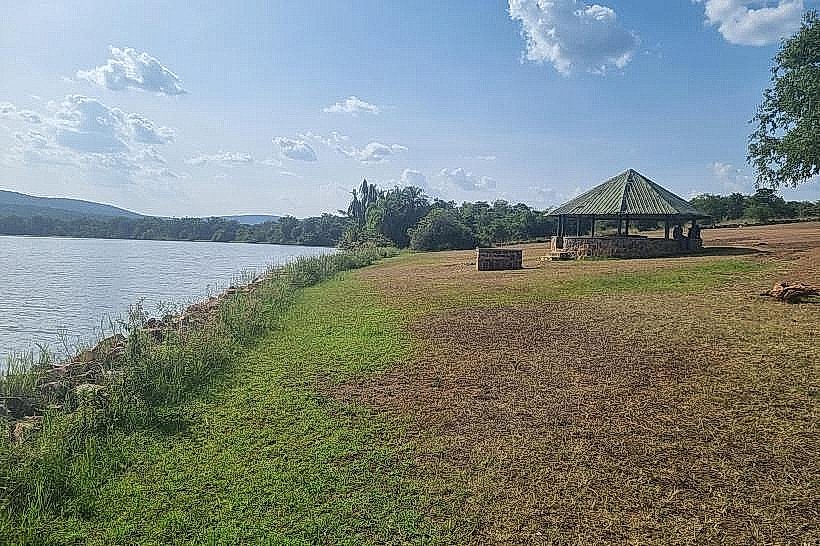
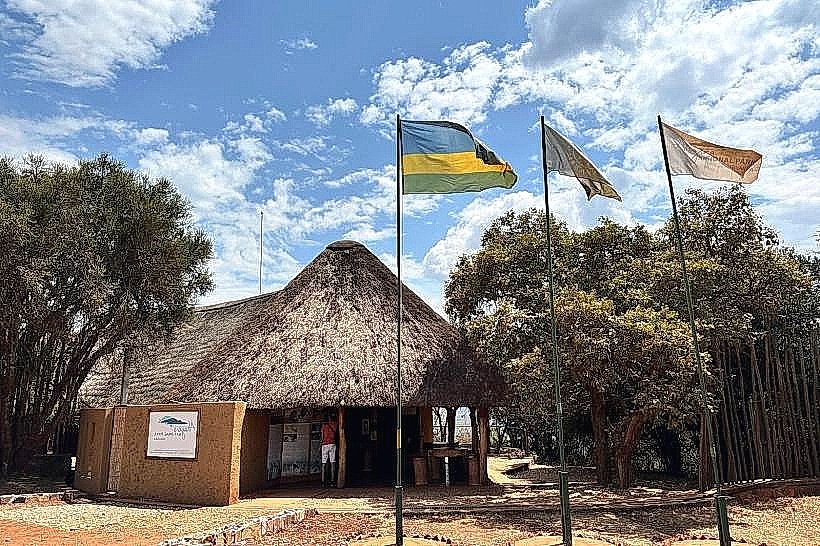
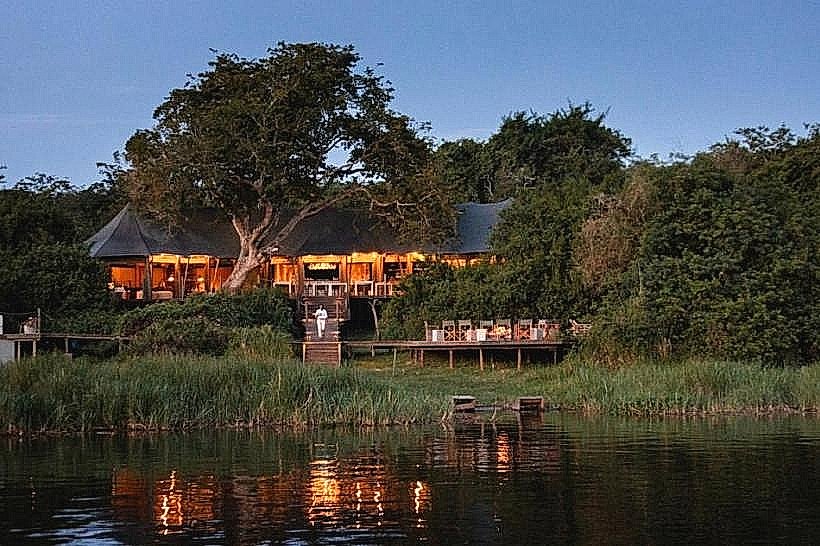
The Mihindi Picnic Site: One of the few designated spots in the park where visitors can safely exit their vehicles. It features a thatched pavilion overlooking the water.
Hippo Observation: The lake is renowned for having one of the most accessible hippo pods in the park, often visible just meters from the picnic area.
Bird Photography: The standing dead wood in the lake provides excellent opportunities to photograph African Fish Eagles, Pied Kingfishers, and Great Cormorants.
Predator Tracking: The open plains surrounding Mihindi are a frequent hunting ground for the park’s lion prides and leopards.
Infrastructure & Amenities
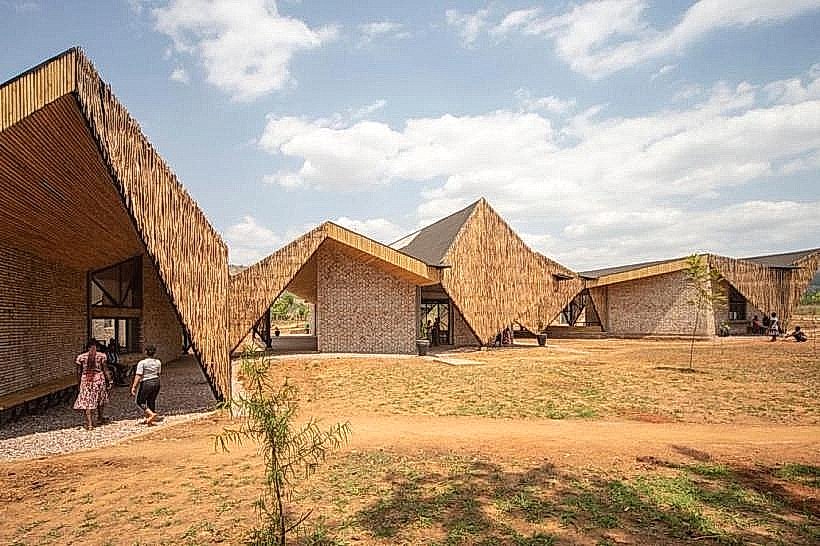
The Mihindi site is equipped with a functionalist thatched-roof picnic pavilion, wooden tables, and basic but clean public restrooms. There is a fenced perimeter around the immediate picnic zone to prevent wildlife encroachment. 4G cellular signal is stable at this elevation. There are no food or beverage services; visitors must carry their own supplies from Kayonza or their respective lodges.
Best Time to Visit
The lake is best visited during the midday heat (11:00–14:00) as a transit stop between the southern and northern gates. For wildlife activity, the late afternoon (15:30–17:30) is superior, as large herds of herbivores congregate at the water's edge before dusk. The dry season (June–August) offers the clearest views of the hippo pods.
Facts & Legends
Mihindi is often cited by rangers as the "Mirror Lake" due to its exceptional stillness during the morning hours, creating perfect reflections of the Mutumba Hills. A specific tip for visitors: while the picnic area is fenced, do not approach the water's edge outside of the designated pavilion area, as large crocodiles are frequently camouflaged in the shoreline grass.
Nearby Landmarks
Mutumba Hills – 4.5km West
Lake Rwanyakazinga – 15km North
Lake Ihema – 28km South
Akagera National Park North Gate – 18km North
Kilala Plains – 12km Northeast