Landmark: Al Minzifah Ruins
City: Ibra
Country: Oman
Continent: Asia
Al Minzifah Ruins, Ibra, Oman, Asia
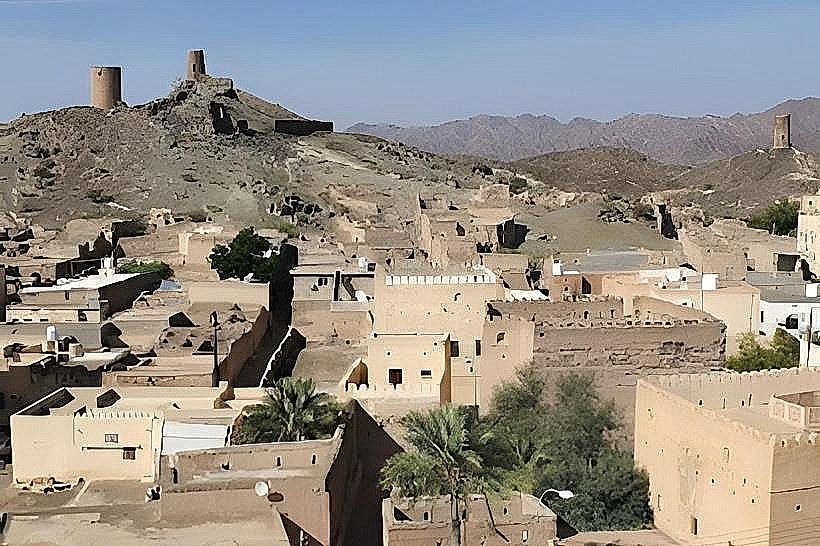
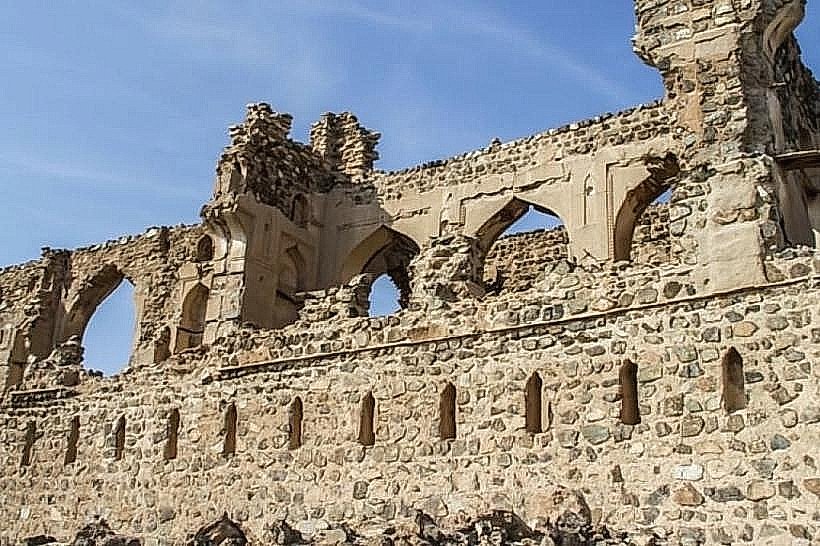
Al Minzifah is a significant heritage site in Ibra, Ash Sharqiyah North, representing the architectural and commercial peak of the 18th and 19th centuries. Located in the Al Safala district, this abandoned merchant quarter is characterized by its skeletal mud-brick mansions and defensive walls, offering a stark look into Oman's historical wealth and its links to East Africa.
Visual Characteristics
The ruins are defined by multi-story manor houses constructed from limestone, mud, and sarooj mortar. The structures feature high-arched windows, decorative plasterwork, and the remains of fortified towers. The landscape is a monochrome palette of earth tones, punctuated by the deep green of the bordering date palm oases.
Location & Access Logistics
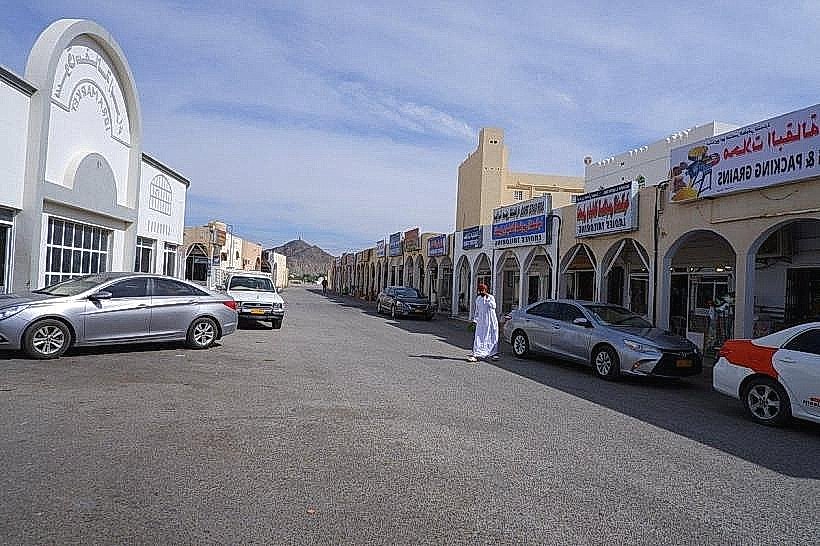
Access is via the Muscat-Sur Highway (Route 23) into Ibra. The site is situated in the Al Safala area and is reachable by all vehicle types via paved urban roads that transition into gravel tracks near the ruins.
Parking is available in open spaces adjacent to the historic entrance.
It is within a 5-minute drive of the modern Ibra town center.
No formal ticketing or gated entry exists, allowing for self-guided exploration.
Historical & Ecological Origin
The district was built by wealthy Omani merchant families, primarily from the Al Harthy tribe, who accumulated fortunes through trade with Zanzibar and the East African coast. Geologically, it sits on a stable alluvial plain. The ruins are ecologically integrated with an active falaj system that continues to water the surrounding gardens, maintaining a traditional agricultural boundary.
Key Highlights & Activities
Architectural Detail: Visitors can observe intricate "Zanzibari" style carvings on the remaining wooden lintels and doorways.
Photography: The site is a primary destination for heritage photography, especially at sunset when the light emphasizes the textures of the crumbling walls.
Defensive Design: The layout demonstrates mid-18th century urban security, with narrow, easily defensible alleyways and strategic gatehouses.
Infrastructure & Amenities
The site is an undeveloped heritage area with no modern facilities inside the ruins.
Modern amenities, including fuel, restrooms, and cafes, are located 2km away in modern Ibra.
5G cellular signal remains strong throughout the site.
Walking surfaces are uneven and consist of loose stone and debris.
Best Time to Visit
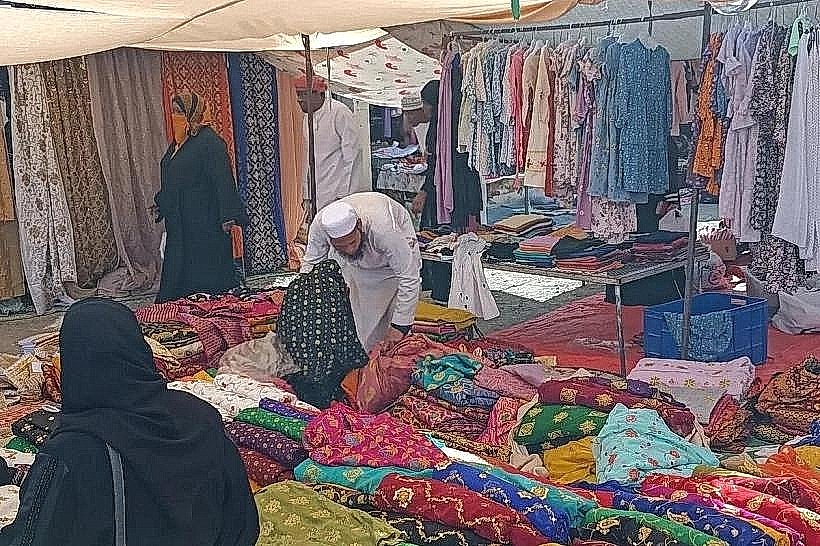
November to March is the ideal period for exploration due to the lack of shade and high interior temperatures. Early morning (07:00–09:00) provides the most comfortable conditions. Friday mornings offer the added benefit of being near the active local markets in Ibra.
Facts & Legends
Local accounts suggest that many of the houses were intentionally designed with "secret" chambers for storing silver and valuables brought from overseas. A verified logistical fact: while the ruins are open for exploration, certain structures are unstable; visitors must exercise extreme caution when entering any roofed or multi-story sections.
Nearby Landmarks
Ibra Old Market (2.0km East)
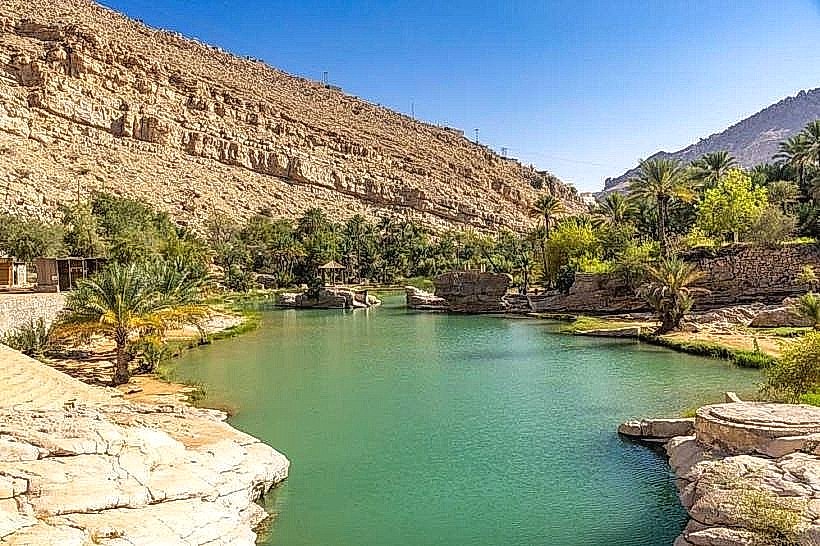
Wadi Bani Khalid (82km Southeast)
Sharqiyah Sands Entry (47km South)
Mudayrib Village (32km Southeast)