Landmark: Wadi Bani Khalid
City: Ibra
Country: Oman
Continent: Asia
Wadi Bani Khalid, Ibra, Oman, Asia
Wadi Bani Khalid is a prominent river valley and oasis located in the Ash Sharqiyah North Governorate, approximately 250km from Muscat. It is one of the few wadis in Oman with a consistent, year-round water flow, originating from springs high in the Eastern Hajar Mountains.
Visual Characteristics
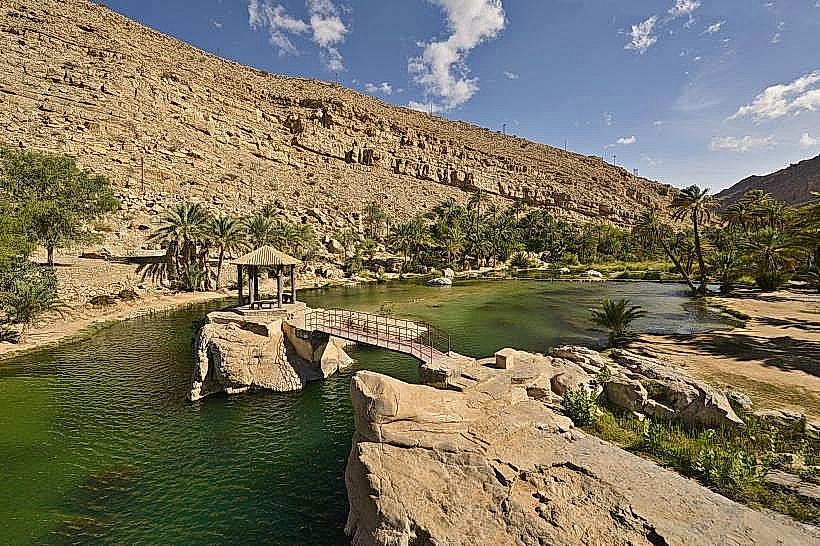
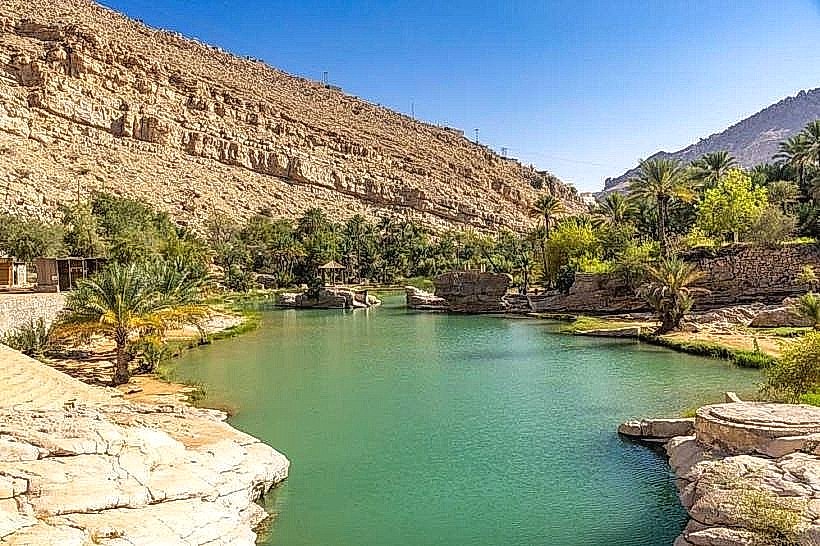
The wadi features a dramatic contrast between stark, sun-bleached limestone canyon walls and large, deep basins of turquoise and emerald-green water. The entry area is defined by wide pools and white boulders, while the upper reaches narrow into a jagged rocky gorge. Dense groves of date palms and fruit trees line the banks, sustained by the constant moisture and ancient irrigation channels.
Location & Access Logistics
Access is via the Muscat-Sur Highway (Route 23), following clear signage toward Wadi Bani Khalid. The road is fully paved and reachable by all vehicle types, including small sedans. A large public parking area is located at the end of the road, from which a flat, 10-minute walk along a paved path leads to the primary pools. There is no direct public transport; visitors typically arrive via private vehicle or organized tour.
Historical & Ecological Origin
The wadi is fed by several perennial springs, the most famous being Ain Hamouda, which supplies the Falaj Al Hili irrigation system. Geologically, the area showcases the erosion of Hajar limestone over millions of years, creating deep natural catchments. The ecosystem supports various indigenous flora and fauna, including the Arabian "doctor fish" (Garra rufa) and diverse bird species.
Key Highlights & Activities
Main Pools: The lower section features expansive natural swimming areas with developed stone edges and wooden bridges, suitable for all ages.
Muqal Cave: Located a 15-20 minute hike upstream from the main pools, this cave system features narrow passages and an underground stream.
Upper Gorge: For experienced hikers, the path continues beyond the cave into a more rugged canyon characterized by smaller, secluded pools and waterfalls.
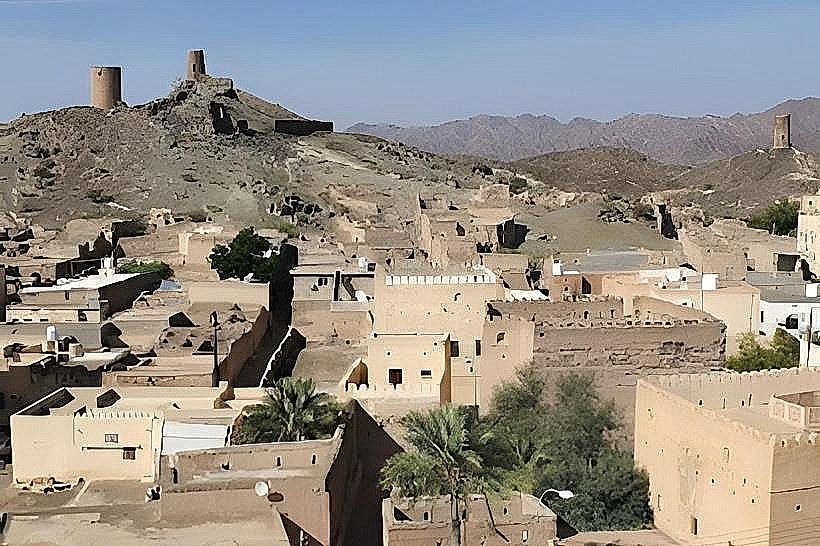
Village Architecture: The nearby village of Muqal showcases traditional stone housing and active agricultural terraces integrated into the mountain slopes.
Infrastructure & Amenities
The site is highly developed for visitors and includes a large restaurant and cafe overlooking the main pool. Public restrooms, changing rooms, and prayer areas are available near the entrance. 5G cellular signal is generally strong in the main recreation area. Shaded seating areas and stone benches are positioned along the primary walkways.
Best Time to Visit
The winter months from November to March provide the most temperate conditions for hiking and swimming. To avoid significant crowds, weekday visits are essential, as the wadi is a primary destination for local families on Fridays and Saturdays. Early morning arrival (08:00–09:00) ensures the best light for photography and easier access to the upper pools.
Facts & Legends
Local tradition emphasizes the "healing" nature of the mountain springs, particularly for skin conditions. A verified logistical tip: visitors are required to dress modestly when in the wadi, typically covering from shoulders to knees, out of respect for the local community that shares the water source.
Nearby Landmarks
Ibra Old Market (80km Northwest)
Wahiba Sands Entry (45km West)
Bidiya (40km West)
Sur Coastal Road (120km East)