Landmark: Mudayrib Village
City: Ibra
Country: Oman
Continent: Asia
Mudayrib Village, Ibra, Oman, Asia
Mudayrib Village is a historic fortified settlement in the Wilayat of Al Qabil, Ash Sharqiyah North Governorate. It is located approximately 180km from Muscat, situated on the primary transit route between the capital and the Sur coastline.
Visual Characteristics
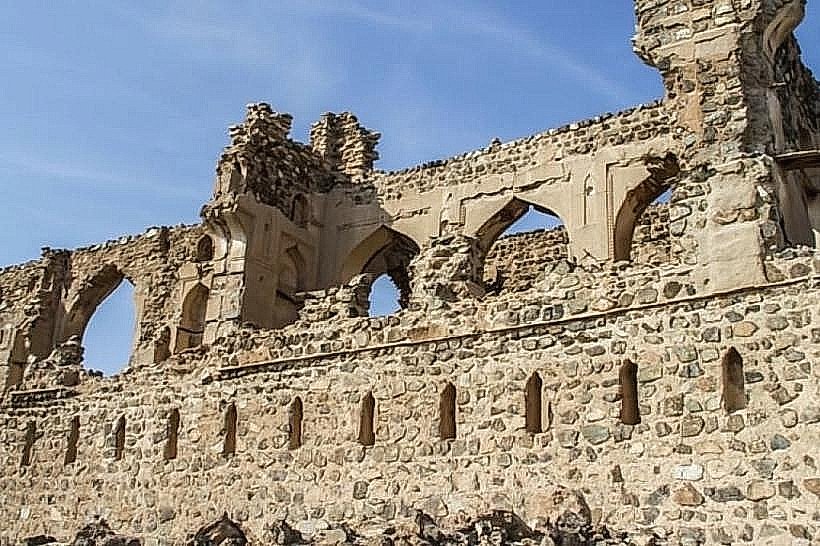
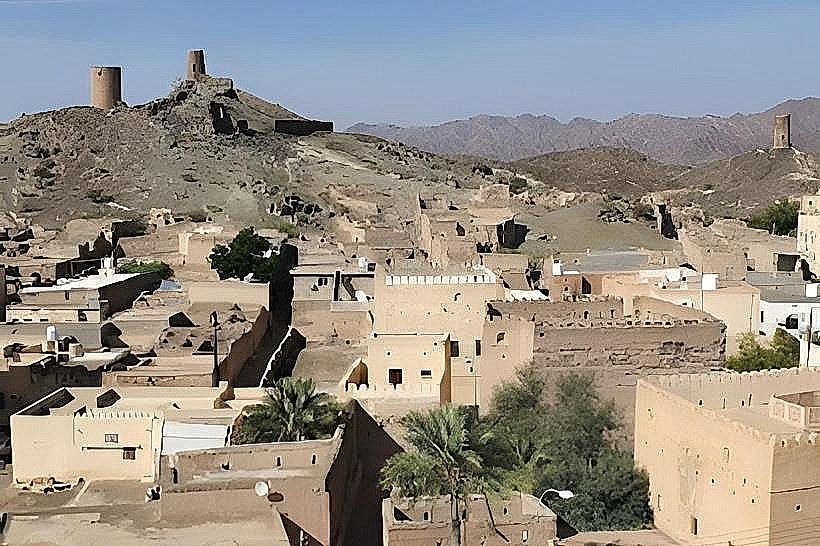
The village is defined by its high-density cluster of sun-bleached mud-brick and limestone structures. Its skyline is dominated by several massive, circular watchtowers perched on the surrounding rocky ridges. The architecture features heavy wooden doors with intricate geometric carvings, narrow arched alleyways, and "sabats" (enclosed overhead walkways) that provide shade between buildings.
Location & Access Logistics
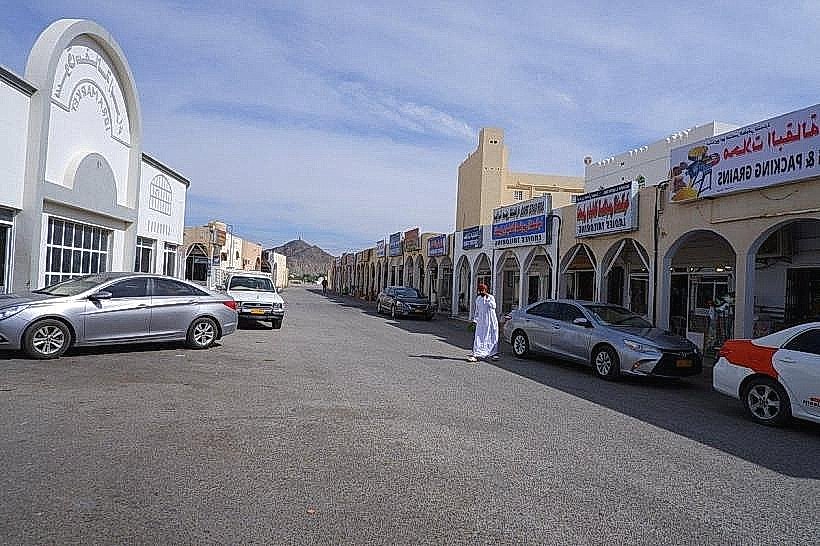
Access is via the Muscat-Sur Highway (Route 23). The village is situated directly off the main road and is reachable by all vehicle types via paved town streets. Parking is available in the open gravel areas adjacent to the old quarters. While intercity buses stop at the Al Qabil junction, a short taxi ride or 5-minute drive is required to reach the heart of the old village.
Historical & Ecological Origin
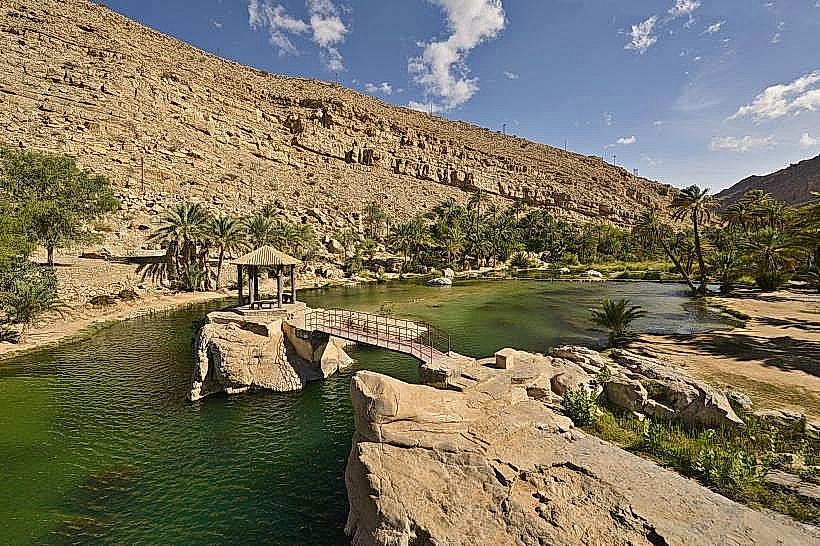
Mudayrib served as a strategic administrative and commercial hub for the Al Harthy tribe for centuries. It is ecologically sustained by an active falaj system that draws water from the Eastern Hajar foothills to irrigate a massive, dense date palm oasis that borders the residential ruins. The village layout was specifically engineered for defense, with the watchtowers positioned to provide 360-degree surveillance of the desert approaches.
Key Highlights & Activities
Watchtower Ascents: Several of the perimeter towers are accessible via rugged stone steps, offering views of the village rooflines and the encroaching dunes of the Sharqiyah Sands.
Architectural Photography: The "Harat" (old neighborhood) contains some of the best-preserved examples of 18th-century merchant houses in the interior.
Traditional Doors: The village is renowned for its collection of original carved Omani doors, many featuring historical inscriptions and brass studs.
Falaj Walk: A walking path follows the water channels from the village center into the deep shade of the date plantations.
Infrastructure & Amenities
Infrastructure is localized; the old village remains largely a heritage site with minimal commercial development. Modern amenities, including fuel stations, small grocery stores, and local coffee shops, are located along the main highway at the village entrance. 5G cellular signal is strong throughout the area. There are no public restrooms within the ruins; visitors use facilities at the nearby service stations.
Best Time to Visit
The winter months from November to March provide the most temperate conditions for exploring the unshaded ruins. Early morning (07:00–09:00) or late afternoon (16:00–17:30) offers the best lighting for the mud-brick textures. The village is an ideal "stopover" point for travelers moving between Muscat and the desert camps of Bidiya.
Facts & Legends
Local tradition emphasizes the village's role as a scholarly center, once housing significant libraries and religious schools. A verified logistical tip: while many buildings appear abandoned, some sections of the old village are still privately owned or inhabited; visitors should remain on the primary paths and respect the privacy of the remaining residents.
Nearby Landmarks
Al Qabil Castle (5km North)
Bidiya / Sharqiyah Sands Entry (15km South)
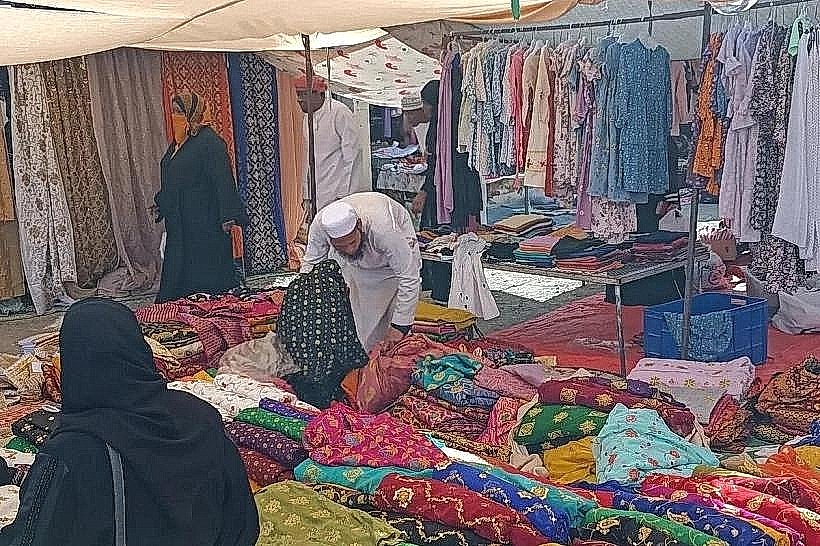
Ibra Old Market (30km Northwest)
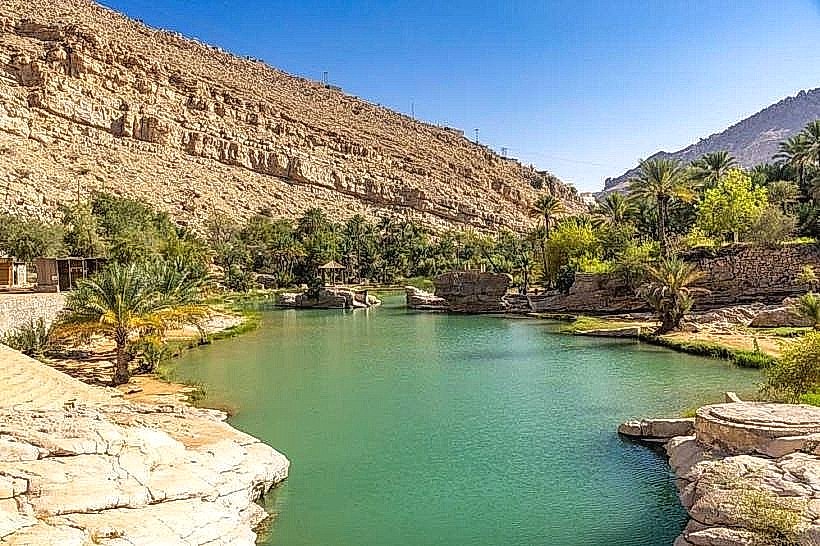
Wadi Bani Khalid (50km Southeast)