Landmark: Souq Al Safala
City: Ibra
Country: Oman
Continent: Asia
Souq Al Safala, Ibra, Oman, Asia
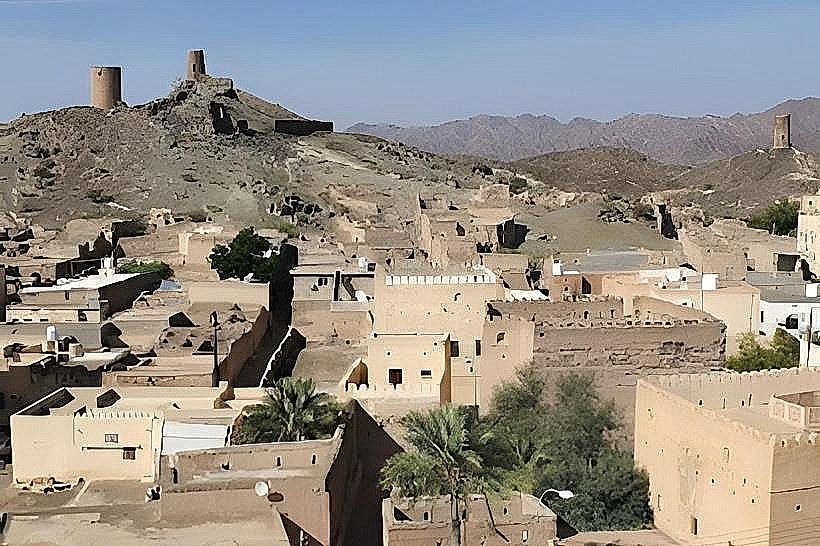
Ibra Old Market (Souq Al Safala) is a historic commercial center in the Ash Sharqiyah North Governorate, approximately 170km from Muscat. It is situated in the ancient district of Al Safala, characterized by mud-brick ruins and traditional Omani architecture.
Visual Characteristics
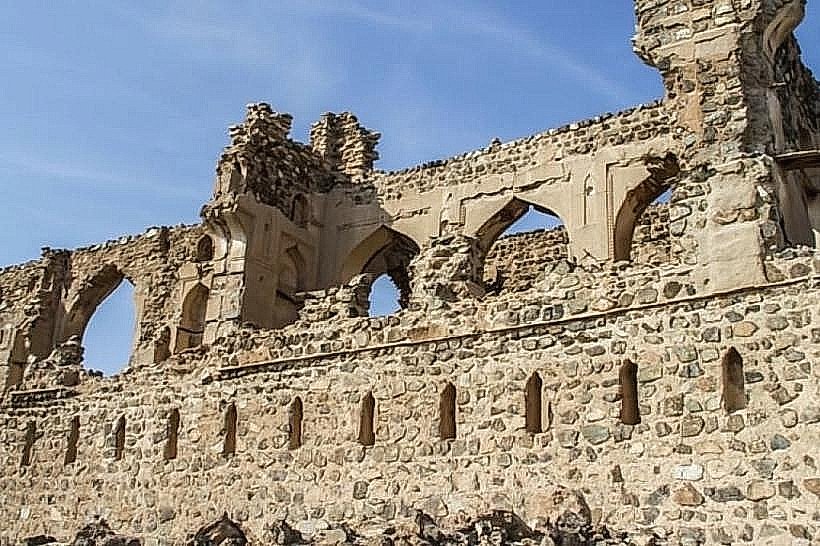
The market is defined by its weathered limestone and mud-brick structures, many of which feature heavy wooden doors and carved window frames. The layout consists of narrow, shaded corridors and open-air courtyards. The surrounding area is dominated by the skeletal remains of multi-story merchant houses and watchtowers, providing a stark, historical atmosphere.
Location & Access Logistics
Access is via the Muscat-Sur Highway (Route 23), taking the exit for Ibra and following signs for the "Old Quarter" or "Al Safala." The site is reachable by all vehicle types via paved roads, with a gravel parking area located near the entrance of the old ruins. While intercity buses stop in modern Ibra, a short taxi ride is required to reach the old market.
Historical & Ecological Origin
The market served as a vital trade hub for centuries, connecting the interior desert regions with the coastal ports. It was the economic heart of the Al Harthy tribe and other local clans. Geologically, it sits on a flat alluvial plain fed by the Falaj Al Ifrit, which historically sustained the massive date palm oases that border the market.
Key Highlights & Activities
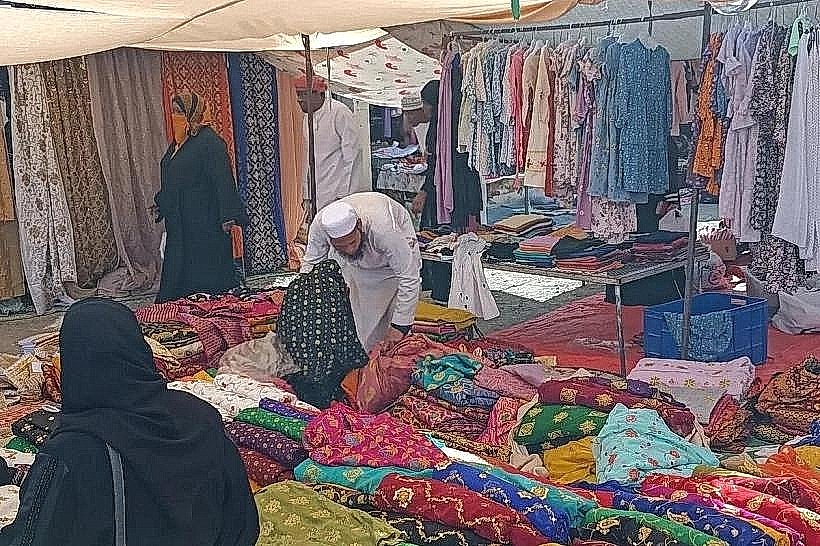
Wednesday Women's Market: Ibra is famous for its unique Wednesday morning market, where women are the primary vendors and customers, trading in textiles, jewelry, and household goods.
Architectural Exploration: The ruins of the surrounding merchant neighborhood offer a detailed look at 18th and 19th-century defensive residential design.
Traditional Goods: The active sections of the souq specialize in Omani silver (specifically the Ibra-style khanjars), sandalwood, and locally harvested dates.
Infrastructure & Amenities
Infrastructure within the old market is minimal to preserve its historical state. Basic public restrooms are available near the modern extension of the souq. 5G cellular signal is strong throughout Ibra. Visitors should carry water, as the ruined sections of the market can be significantly warmer than the modern areas.
Best Time to Visit
The winter months (November to March) are essential for comfortable exploration. Wednesday mornings (06:00–10:00) provide the most significant cultural experience due to the Women's Market. For photography, late afternoon offers soft lighting that emphasizes the textures of the mud-brick ruins.
Facts & Legends
Local accounts suggest the "Old Market" was once the most opulent in the interior, funded by the wealth of Ibra's merchants who traded extensively with East Africa. A verified logistical tip: most of the "Old Souq" is now a heritage site; the bulk of daily commercial activity has moved to the adjacent modern Ibra Souq.
Nearby Landmarks
Al Minzifah Ruins (2.0km West)
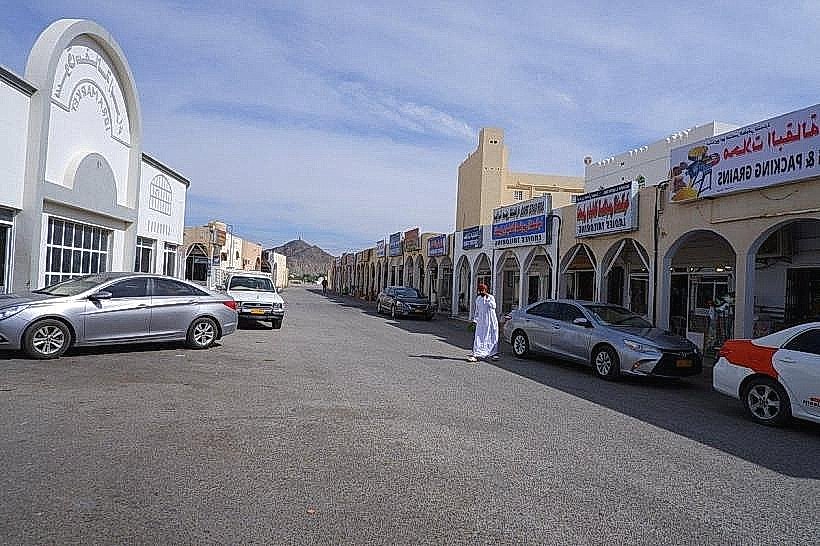
Modern Ibra Souq (1.5km East)
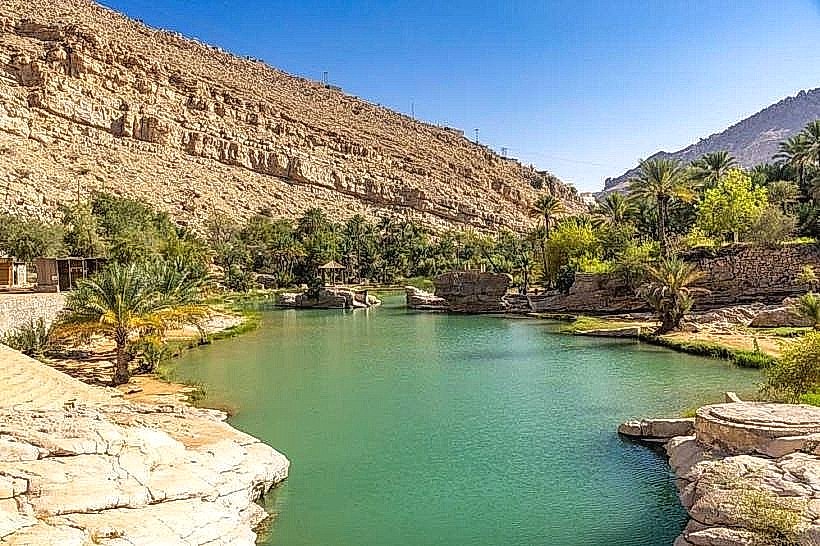
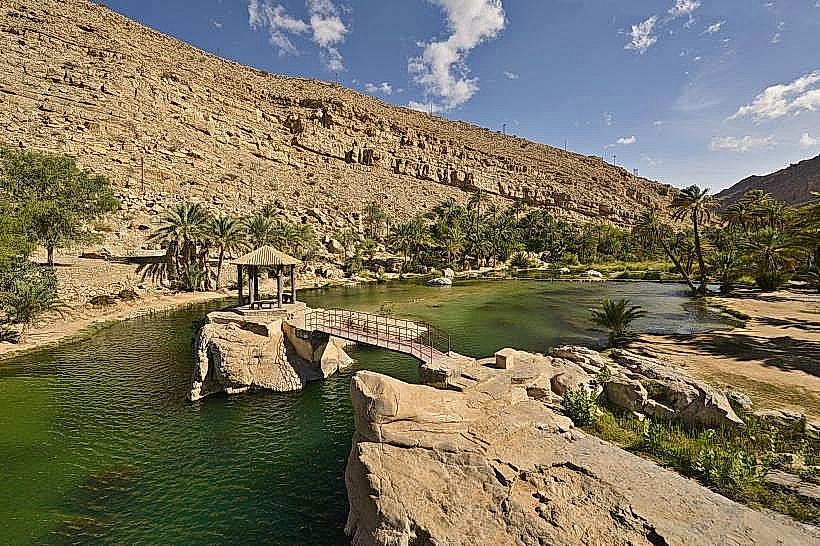
Wadi Bani Khalid (80km Southeast)
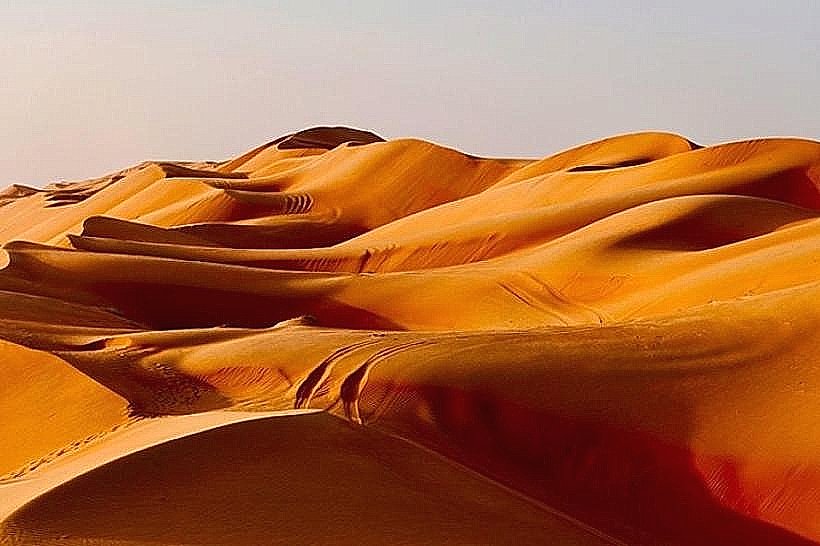
Wahiba Sands Entry (45km South)