Landmark: Assin Manso Slave River Site
City: Cape Coast
Country: Ghana
Continent: Africa
Assin Manso Slave River Site, Cape Coast, Ghana, Africa
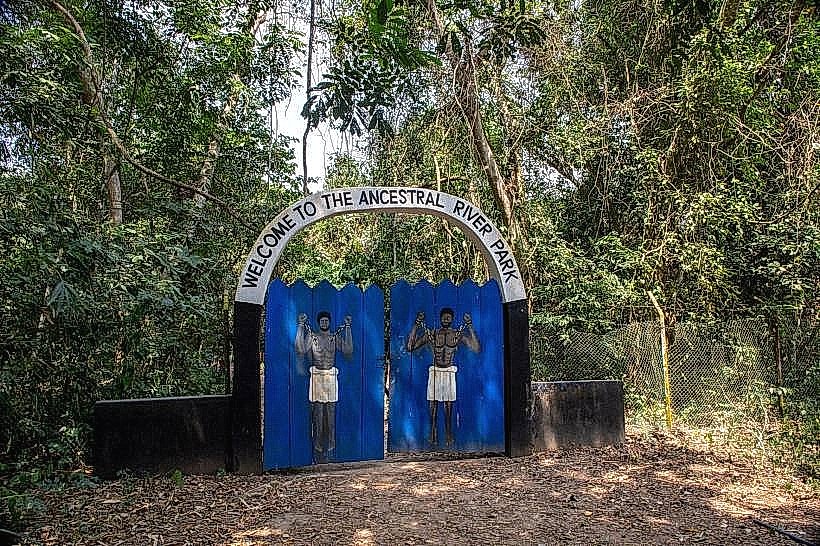
Assin Manso Slave River Site is a memorial park and historical landmark located in Assin Manso, Ghana, along the banks of the Ndonko Nsuo (Slave River). It marks the location of the "last bath" for enslaved Africans before they were marched to coastal dungeons for shipment across the Atlantic.
Visual Characteristics
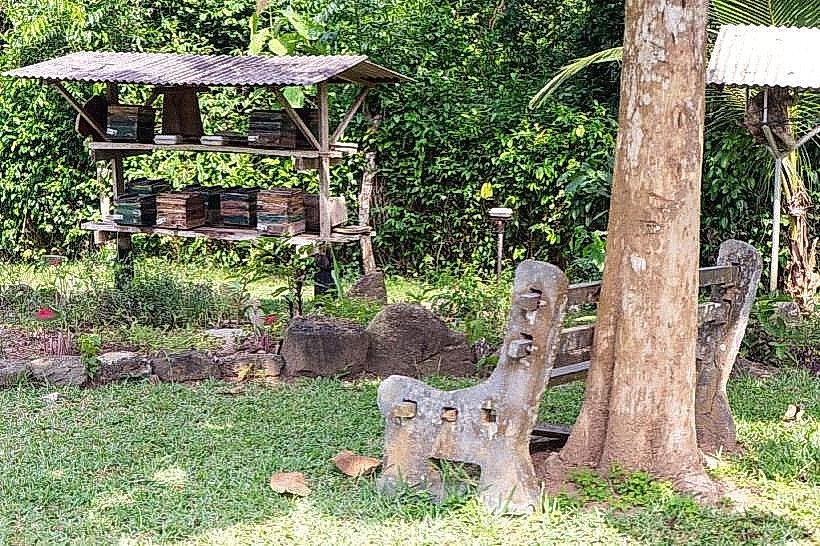
The site consists of a landscaped memorial park featuring a concrete meditation pavilion and a paved commemorative walkway leading down to the riverbank. The Ndonko Nsuo is a slow-moving, shallow river characterized by brown, sediment-rich water and dense tropical riparian vegetation. Two concrete slabs with etched footprints signify the entry point into the water, and the area is shaded by large tropical hardwood trees.
Location & Access Logistics
The landmark is situated on the N14 highway in Assin Manso, approximately 40km north of Cape Coast and 200km west of Accra. It is accessible via private vehicle or public "tro-tro" departing from the Kotokuraba Station in Cape Coast toward Assin Fosu or Kumasi. A dedicated gravel parking area is located at the main entrance, and the site is a standard stop for tour buses traveling between the coast and the Ashanti Region.
Historical & Ecological Origin
The site served as one of the largest slave markets during the 18th and 19th centuries, operated primarily by the British and local intermediaries. It was the final terrestrial sorting point where captives from Northern Ghana and neighboring regions were bathed and branded before the final 40km trek to Cape Coast or Elmina. In 1998, the site was officially inaugurated as a memorial during the first Emancipation Day celebrations in Ghana.
Key Highlights & Activities
Visitors participate in guided historical walks that recount the logistics of the inland slave trade. Specific activities include visiting the Ancestral Graveyard, where the remains of two formerly enslaved persons from the US and Jamaica are interred, and walking the "Path of the Ancestors" to the riverbank. Photography is permitted throughout the grounds, though the river area is treated with high solemnity.
Infrastructure & Amenities
The facility includes a visitor center, an ancestral research office, and a small museum annex. Public restrooms are available near the entrance. Shade is abundant throughout the park due to the mature forest canopy. Stable 4G/5G cell phone signal is available on-site, and basic food and beverage vendors are located immediately outside the park gates along the main road.
Best Time to Visit
The site is open daily from 08:00 to 17:00. Morning visits (08:30–10:30) are recommended to avoid high humidity and midday heat. The dry season from November to February ensures the river path remains accessible and less muddy. Emancipation Day (August 1st) is the most significant time for cultural events, though it coincides with the minor rainy season.
Facts & Legends
In 1998, the "Return of the Ancestors" ceremony saw the re-interment of Samuel Carson from the US and Crystal from Jamaica at this site, marking the first time the remains of enslaved Africans were returned to the continent for burial. Local tradition dictates that visitors should not cross the river or disturb the water beyond the designated bathing area, as it is considered a sacred ancestral shrine.
Nearby Landmarks
Assin Manso Senior High School – 0.8km North
Assin Fosu Township – 15km North
International Stingless Bee Centre – 11km South
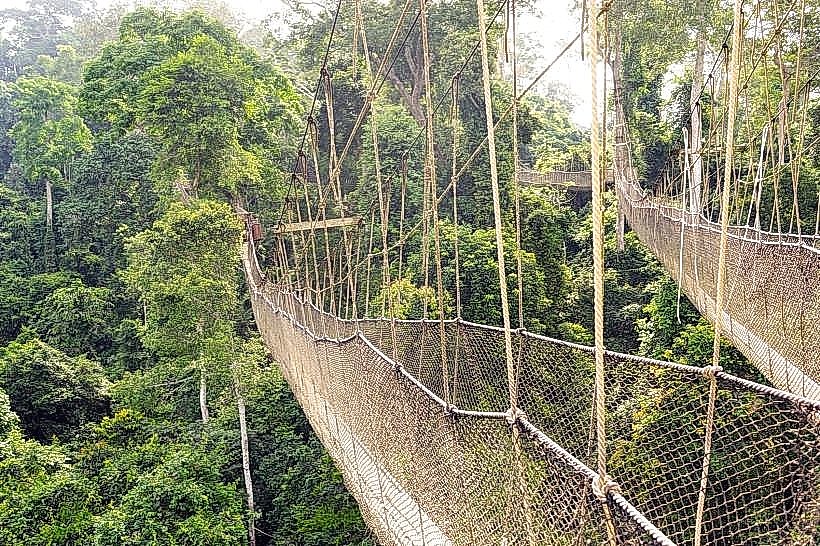
Kakum National Park – 13km South
Pra River Bridge – 28km Northwest