Landmark: Kotokuraba Market
City: Cape Coast
Country: Ghana
Continent: Africa
Kotokuraba Market, Cape Coast, Ghana, Africa
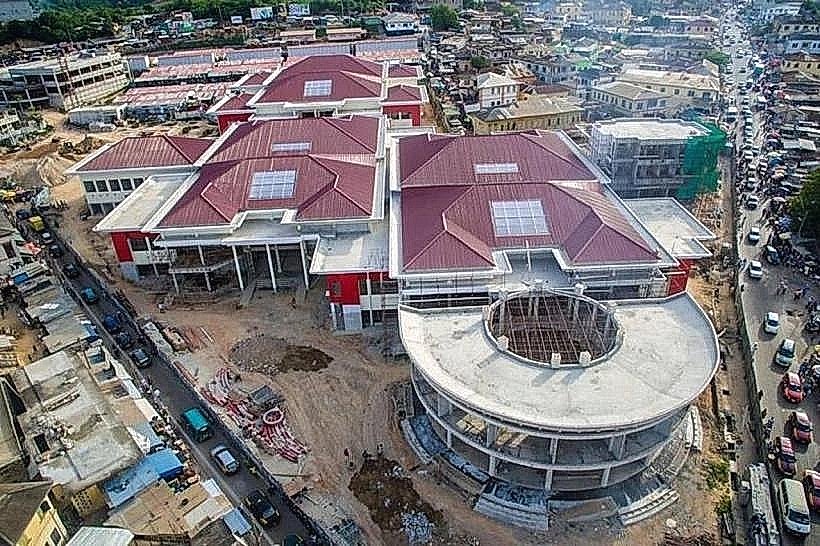
Kotokuraba Market is the central commercial hub of Cape Coast, Ghana, functioning as the primary trading point for the Central Region. The facility was modernized into a multi-story complex to centralize retail and wholesale activities for the city's growing population.
Visual Characteristics
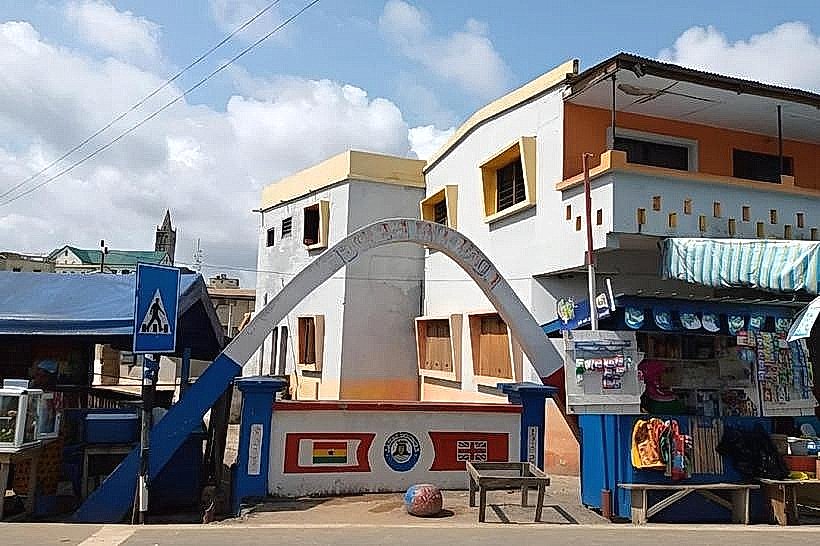
The market consists of a massive reinforced concrete structure featuring multiple levels, open-air stalls, and enclosed lockable shops. It is characterized by a high-density layout with color-coded sections for different goods, wide concrete walkways, and a large central courtyard. The exterior is painted in a combination of cream and brown, with metal security gates and significant signage throughout the perimeter.
Location & Access Logistics
The market is located at the intersection of Kotokuraba Road and Jukwa Road in central Cape Coast. It is approximately 1.5km north of Cape Coast Castle. The site serves as a major transit node; "tro-tros" and taxis depart continuously from the adjacent Kotokuraba station to all parts of the city and outlying districts like Jukwa and Elmina. Vehicle access is via the N1 highway transition into the city center, and a dedicated parking terminal is integrated into the market complex.
Historical & Ecological Origin
The original Kotokuraba Market was an informal open-air trading site established decades ago. To improve sanitation and congestion, the Ghanaian government initiated a total reconstruction project which was completed and commissioned in 2016. The name "Kotokuraba" is derived from the Fante words for "crab rivulet," referring to a small stream that historically ran through the area where crabs were once harvested.
Key Highlights & Activities
Activities center on the procurement of diverse goods including fresh produce, textiles (specifically Fante Kenkey and local fabrics), electronics, and household hardware. Guided walks through the spice and fish sections provide insight into local culinary logistics. The upper floors house service providers such as hair salons, tailoring shops, and financial services.
Infrastructure & Amenities
The modern complex includes public toilets, a police post, and a fire station annex for safety. Electricity is stabilized by a central transformer, and there is an integrated drainage system to prevent flooding. 4G/5G cell phone signal is exceptionally strong due to the density of nearby telecommunications masts. Food vendors selling prepared meals are concentrated in the designated canteen areas on the ground and first floors.
Best Time to Visit
The market is most active from 08:00 to 18:00. Tuesday and Friday are traditional "market days," resulting in the highest density of rural traders and a wider variety of fresh wholesale goods. For a less congested experience and cooler temperatures, visiting between 08:00 and 10:00 is recommended. Natural lighting for photography is best in the central open courtyard during midday.
Facts & Legends
Local lore suggests the original market site was chosen because of the "Kotokuraba" stream's cooling effect on traders. A modern urban legend among local commuters claims that if you can navigate the market's interior without getting lost on your first try, you are considered a "true" Cape Coaster. The market remains the only place in the city where traditional Fante salt-cured fish is processed and sold at a massive wholesale scale.
Nearby Landmarks
Fort William (Lighthouse) – 0.5km Southwest
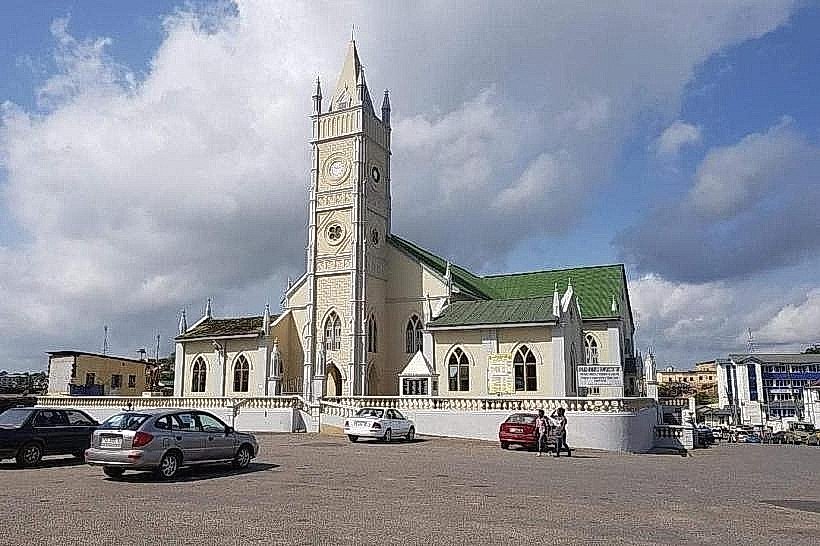
Wesley Methodist Cathedral – 0.6km South
Cape Coast Castle – 1.1km South
Victoria Park – 0.9km South
Holy Child School – 1.5km Northwest