Landmark: International Stingless Bee Centre
City: Cape Coast
Country: Ghana
Continent: Africa
International Stingless Bee Centre, Cape Coast, Ghana, Africa
The International Stingless Bee Centre (ISBC) is an ecological sanctuary and research facility located in Odumase Abrafo, Ghana. It serves as a specialized center for the conservation, study, and commercialization of stingless bee species native to the tropical rainforests of West Africa.
Visual Characteristics
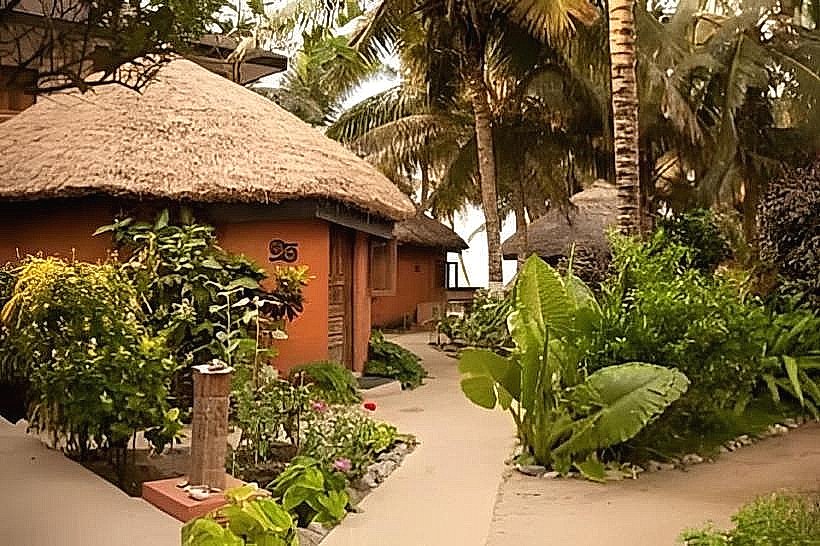
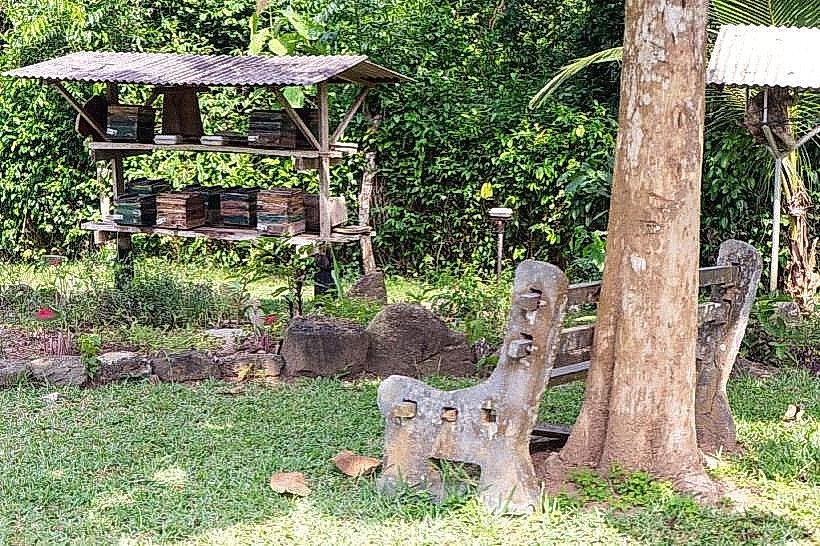
The center consists of an 8-hectare plot of secondary rainforest and managed botanical gardens. It features open-air bee sheds containing rows of rectangular wooden hives, often placed on tiered stands. The grounds are characterized by dense tropical flora, including cassava hedgerows and various pollinator-friendly flowering plants, with narrow dirt and gravel walkways connecting the research station to the forest observation areas.
Location & Access Logistics
The facility is situated in Odumase Abrafo, approximately 1.6km south of the main entrance to Kakum National Park and 31km north of Cape Coast. Travelers can reach the site via the R82 road using private vehicles or public "tro-tros" departing from Cape Coast toward Jukwa and Abrafo. The journey takes roughly 45 minutes from Cape Coast, and the entrance is clearly marked on the right side of the road when traveling north.
Historical & Ecological Origin
The ISBC was founded in 2005 by Professor Peter Kwapong of the University of Cape Coast, with support from the CS Fund and the Ghana Heritage and Conservation Trust. It was officially opened to the public in 2011. Ecologically, the center manages approximately 12 distinct species of Afrotropical stingless bees (Meliponini), focusing on their role as primary pollinators for the surrounding Upper Guinean forest ecosystem.
Key Highlights & Activities
Guided "Apitours" allow visitors to observe stingless bee colonies up close and learn about the biology of species such as Meliponula and Hypotrigona. Specific activities include honey tasting sessions involving medicinal "pot honey," walks through the pollinator garden, and educational workshops on meliponiculture (stingless beekeeping). Visitors can also view the specialized wooden hives developed for sustainable honey and propolis harvesting.
Infrastructure & Amenities
The center provides basic amenities including a welcome area, a small souvenir shop selling bee-related products (honey, pollen, propolis), and a classroom for environmental education. Hammock facilities are available for rest. While there is no full-scale restaurant on-site, basic snacks are available, and the center has consistent 4G/5G cellular signal. Public restrooms are located near the main administrative building.
Best Time to Visit
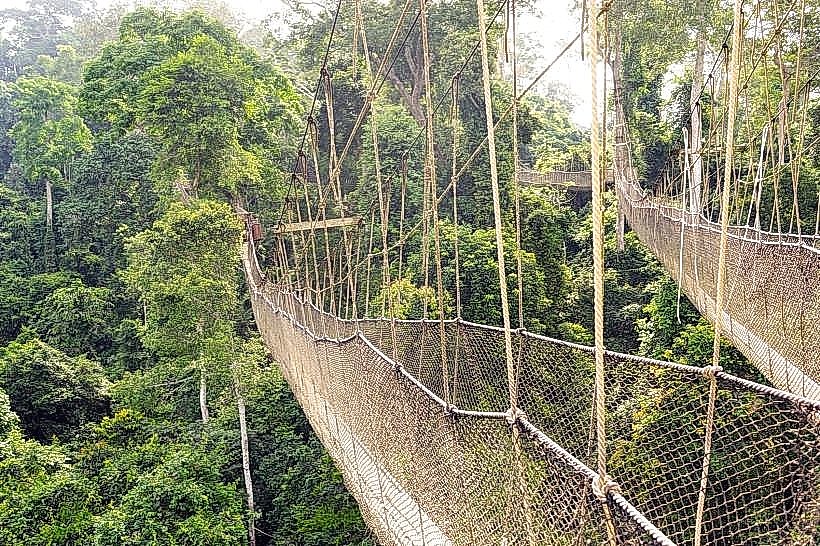
Operational hours are typically 09:00 to 16:00 daily. The best time to visit is during the morning hours (09:00–11:00) when bee activity is high and temperatures are moderate. The dry season (November to March) is preferable for navigating the outdoor trails. For those combining the visit with Kakum National Park, visiting the ISBC first provides a quieter, educational context before the peak midday crowds arrive at the park.
Facts & Legends
Stingless bees are often referred to locally as "angel bees" because of their non-aggressive nature; instead of stinging, they defend their hives by swarming or crawling into the ears and noses of intruders. The honey produced by these bees is significantly thinner than common honeybee nectar and is prized in traditional Ghanaian medicine for its purported antibiotic properties and its ability to treat over 100 different ailments.
Nearby Landmarks
Kakum National Park – 1.6km North
Rain Forest Lodge – 9.4km Southeast
Monkey Forest Resort – 2.3km South
Abrafo Village – 0.5km North
Jukwa Village – 3.2km South