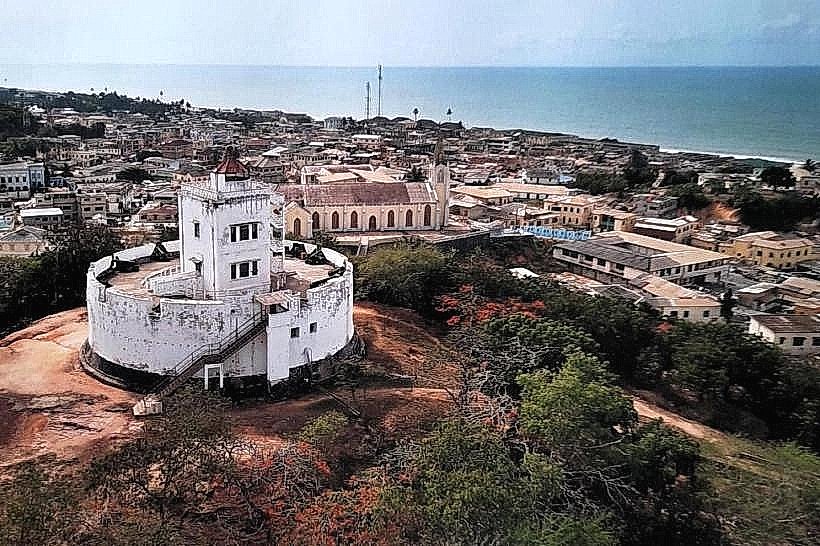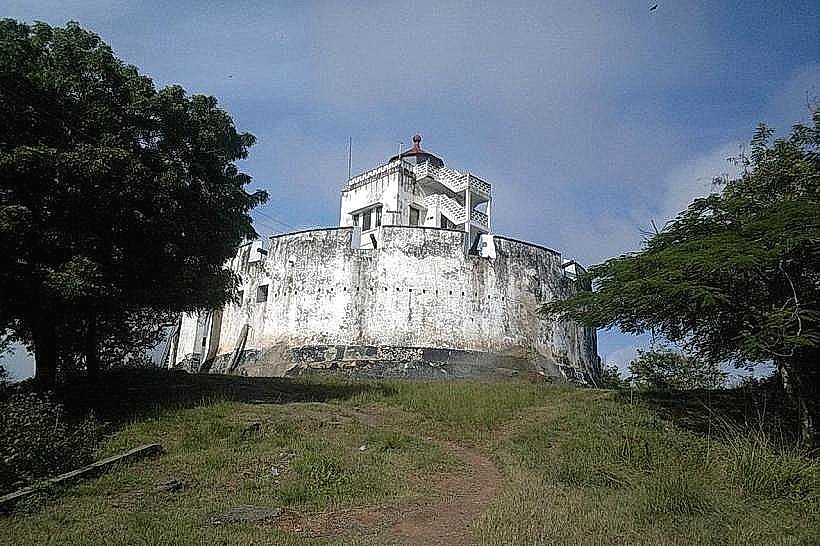
Landmark: Cape Coast Castle
City: Cape Coast
Country: Ghana
Continent: Africa
Cape Coast Castle, Cape Coast, Ghana, Africa
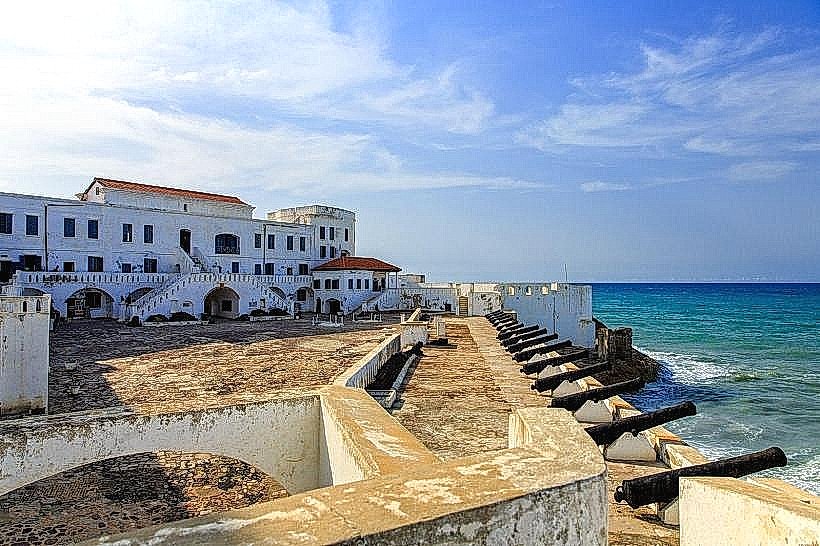
Cape Coast Castle is a large-scale coastal fortification located in Cape Coast, Ghana, overlooking the Gulf of Guinea. Originally established as a small trading post, it eventually became one of the primary transit points for the transatlantic slave trade.
Visual Characteristics
The structure is built primarily from local rock and imported brick, finished with a white lime wash. It features a trapezoidal layout with four main bastions and thick curtain walls designed to withstand naval bombardment. The site contains subterranean dungeons with low ceilings and dirt floors, contrasting with the airy, timber-floored governor’s quarters on the upper levels.
Location & Access Logistics
The castle is situated on Victoria Road in the center of Cape Coast, approximately 160km west of Accra. It is accessible via the N1 highway; travelers can use private vehicles or take a public minibus (tro-tro) from the Kaneshie Station in Accra to the Cape Coast main station. Limited street parking is available near the entrance, and the site is within walking distance of several downtown hotels.
Historical & Ecological Origin
The initial timber lodge was built by the Swedish Africa Company in 1653, but the current stone structure was largely expanded by the British after they seized it in 1664. It served as the seat of the British colonial government until 1877, functioning as both a military headquarters and a commercial hub for the Gold Coast.
Key Highlights & Activities
Visitors can participate in guided historical tours that depart every 45 to 60 minutes. The tour includes access to the male and female slave dungeons, the "Door of No Return," and the upper-level museum. The ramparts provide views of the local fishing harbor, where traditional pirogues operate daily.
Infrastructure & Amenities
The site includes a ticket office, public restrooms, and a small gift shop. Shade is available under the arches of the interior courtyard, though the ramparts are fully exposed to the sun. Stable 4G/5G cell coverage is available throughout the complex, and several independent restaurants are located within 200 meters of the castle gates.
Best Time to Visit
The facility is open daily from 09:00 to 17:00. Morning visits (09:00–11:00) offer cooler temperatures and softer lighting for exterior photography. The dry season from November to February provides the most consistent weather, avoiding the heavy equatorial rains that occur between May and July.
Facts & Legends
The "Door of No Return" was the final exit point for enslaved people boarding ships; however, in 1998, the remains of two formerly enslaved individuals were returned from the US and Jamaica and carried back through this portal, which was then symbolically renamed the "Door of Return."
Nearby Landmarks
Fort William – 0.6km North
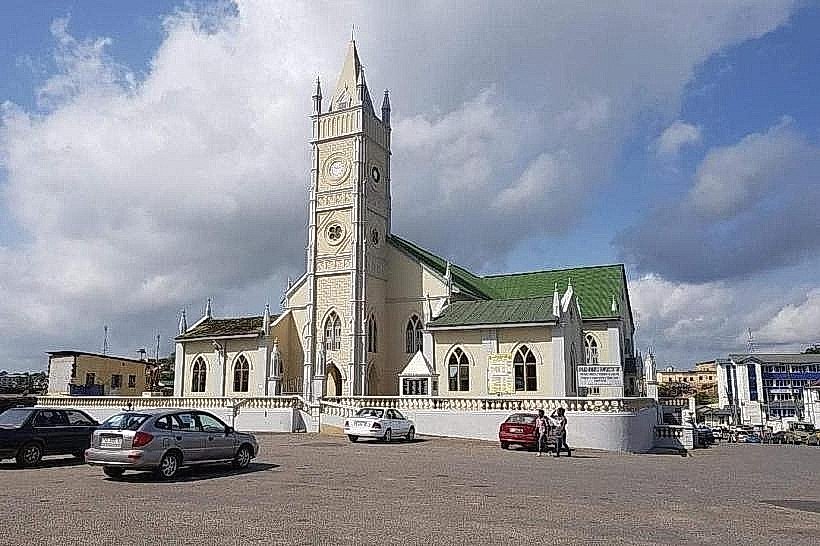
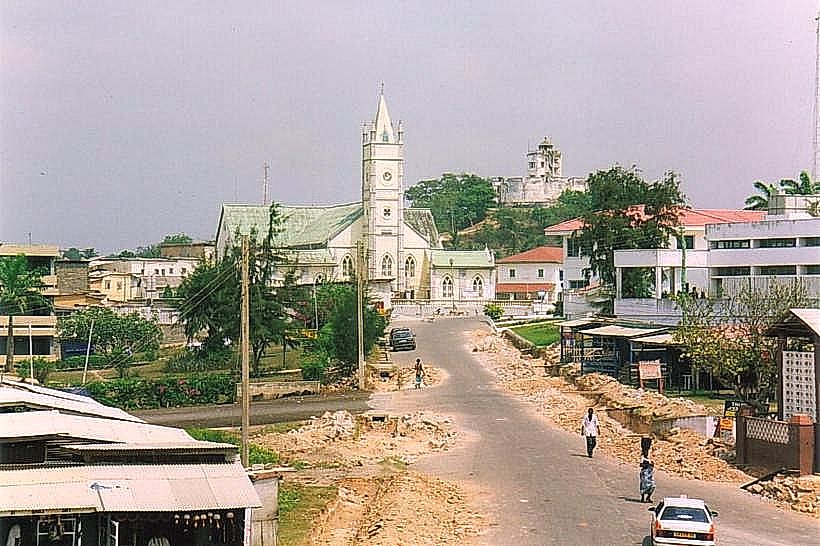
Cape Coast Methodist Cathedral – 0.4km Northwest
Elmina Castle – 12km West
Kotokuraba Market – 1.1km North