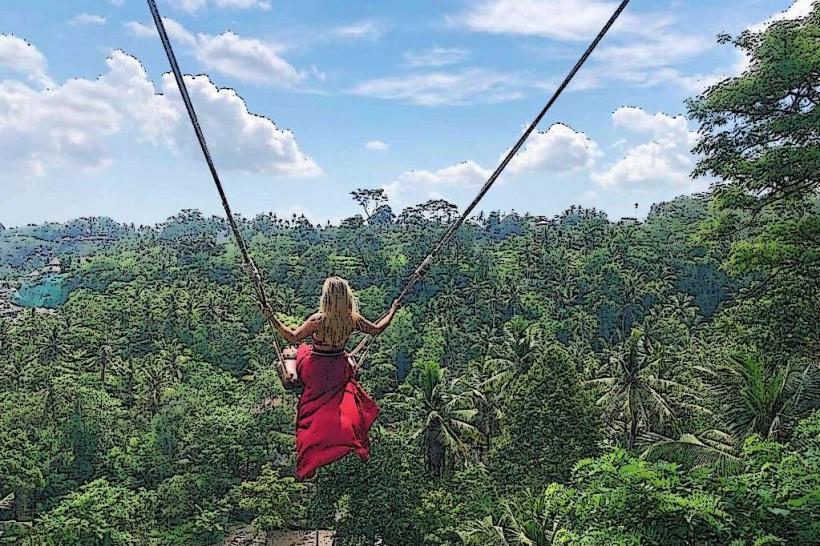
Landmark: Bali Swing
City: Bali
Country: Indonesia
Continent: Asia
Bali Swing, Bali, Indonesia, Asia
The Bali Swing is a collection of manually operated swings situated in various locations across the island of Bali, Indonesia, primarily within agricultural landscapes.
Visual Characteristics
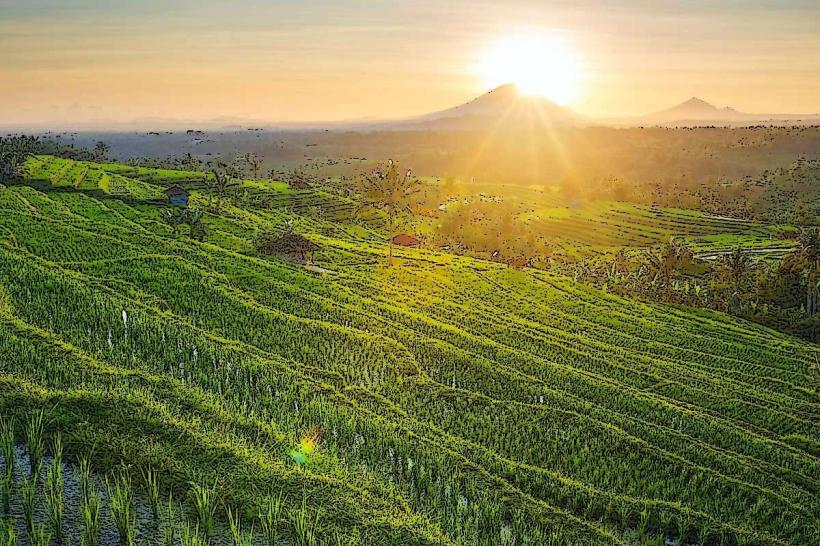
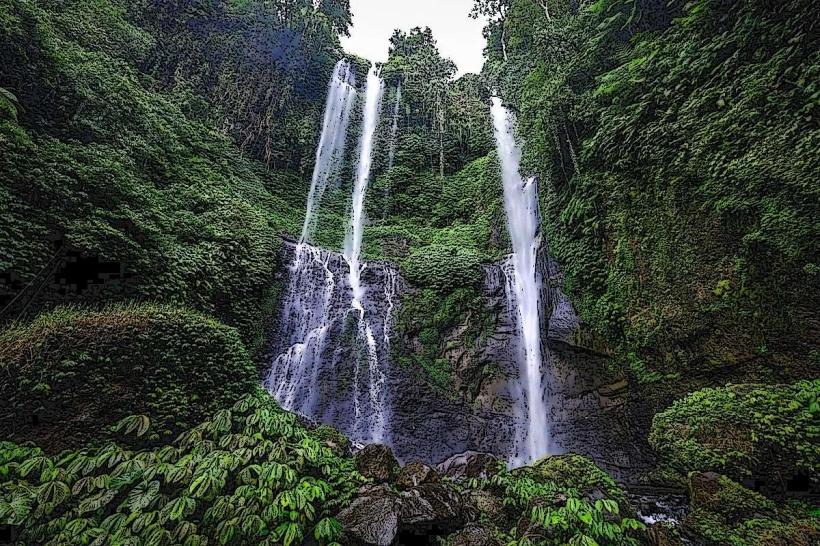
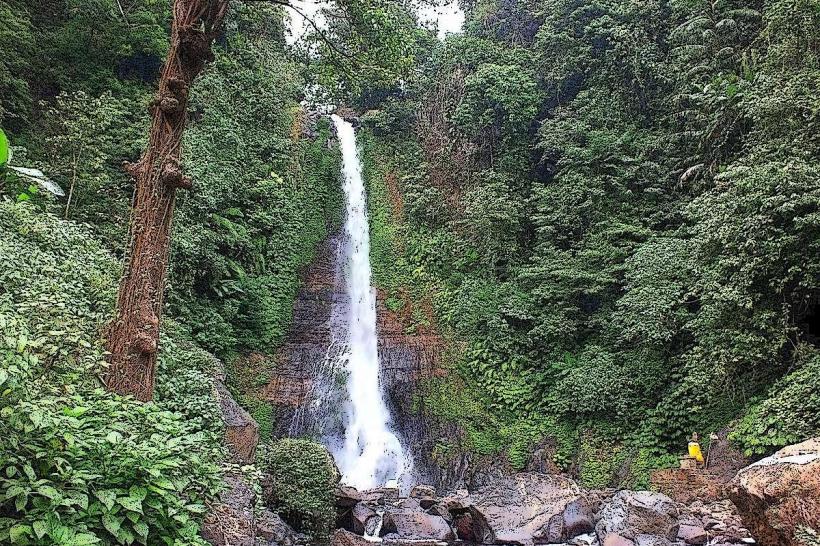
The swings are typically constructed from wood or bamboo, featuring rope suspensions. They are positioned to offer views of surrounding rice paddies, jungle ravines, or waterfalls. The color palette is dominated by natural greens of vegetation and the earthy tones of the swing structures.
Location & Access Logistics
Multiple Bali Swing locations exist. One prominent site is near Ubud, approximately 10 kilometers north of the city center. Access often involves navigating narrow, unpaved roads. Parking is generally available on-site, though capacity can be limited during peak hours. Public transport directly to most swing sites is infrequent; private vehicle hire or ride-sharing services are the most common access methods.
Historical & Ecological Origin
The Bali Swings are a relatively recent development, originating as tourist attractions designed to capitalize on social media trends. They are situated within existing agricultural land, often rice terraces or jungle areas, which have been cultivated for centuries. The ecological context is tropical rainforest and agricultural land.
Key Highlights & Activities
The primary activity is swinging over scenic backdrops. Visitors can pose for photographs. Some locations offer multiple swing heights and designs. Access to viewing platforms is included with admission.
Infrastructure & Amenities
Restrooms are typically available at managed swing sites. Shade is provided by natural tree cover and some constructed shelters. Cell phone signal (4G) is generally present, though it can be intermittent in more remote areas. Food and beverage vendors are often present at larger swing complexes.
Best Time to Visit
For optimal lighting for photography, early morning (7:00 AM - 9:00 AM) or late afternoon (4:00 PM - 6:00 PM) is recommended. The dry season, from April to September, offers the most consistent weather. There are no tide-dependent factors affecting access.
Facts & Legends
A common practice at some locations is the use of elaborate costumes and props provided by the venue to enhance photo opportunities, contributing to the curated experience.
Nearby Landmarks
- Tegalalang Rice Terraces (1.5km Northeast)
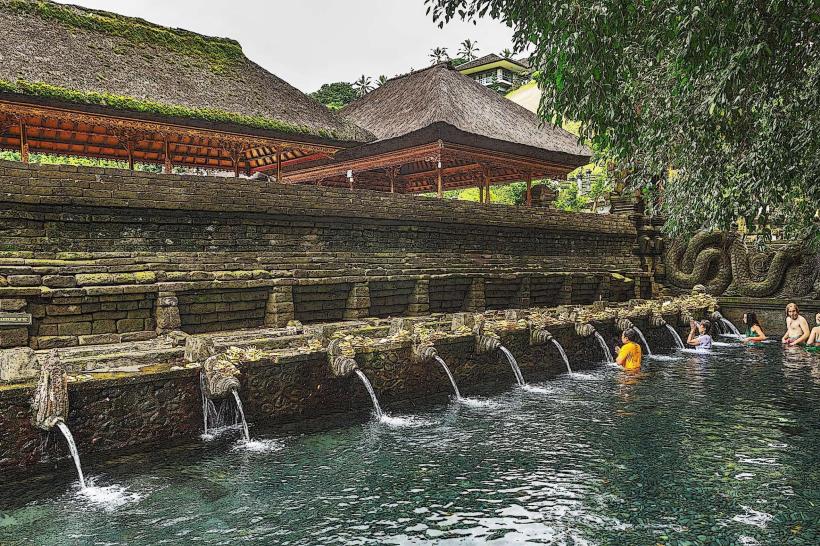
- Tirta Empul Temple (4.0km Northwest)
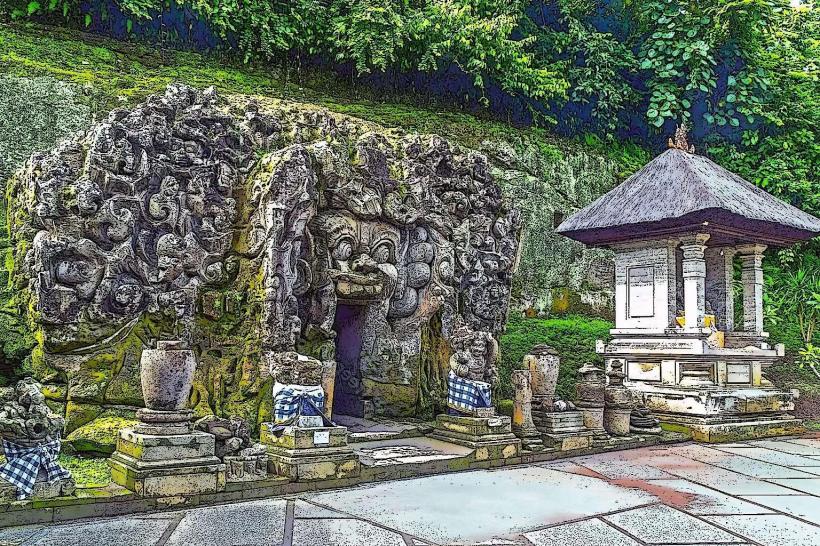
- Goa Gajah (Elephant Cave) (6.5km Southwest)
- Ubud Monkey Forest (10.0km South)