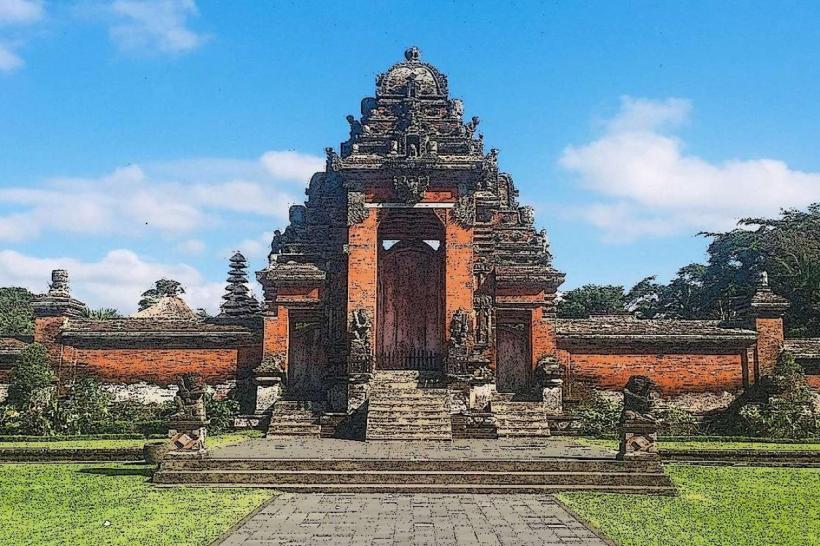
Landmark: Taman Ayun Temple
City: Bali
Country: Indonesia
Continent: Asia
Taman Ayun Temple, Bali, Indonesia, Asia
Taman Ayun Temple is a royal water temple located in Mengwi, Badung Regency, Bali, Indonesia. It served as the main temple for the Mengwi Kingdom.
Visual Characteristics
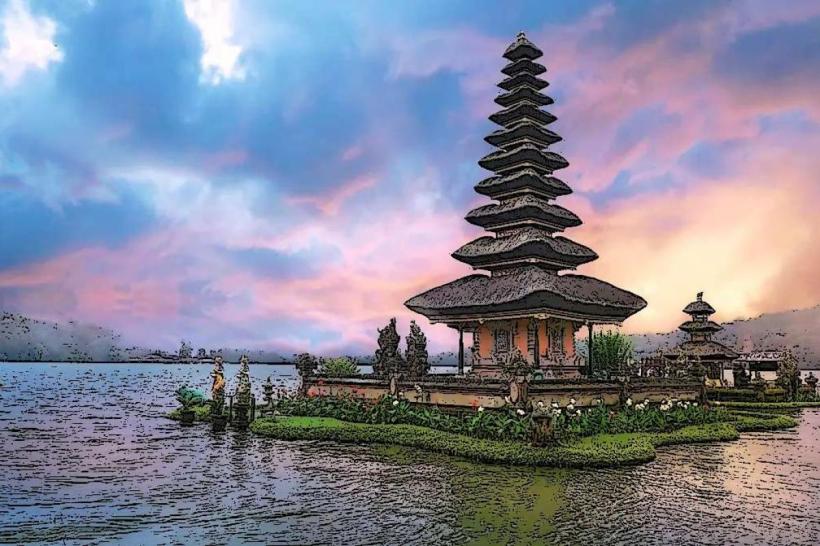
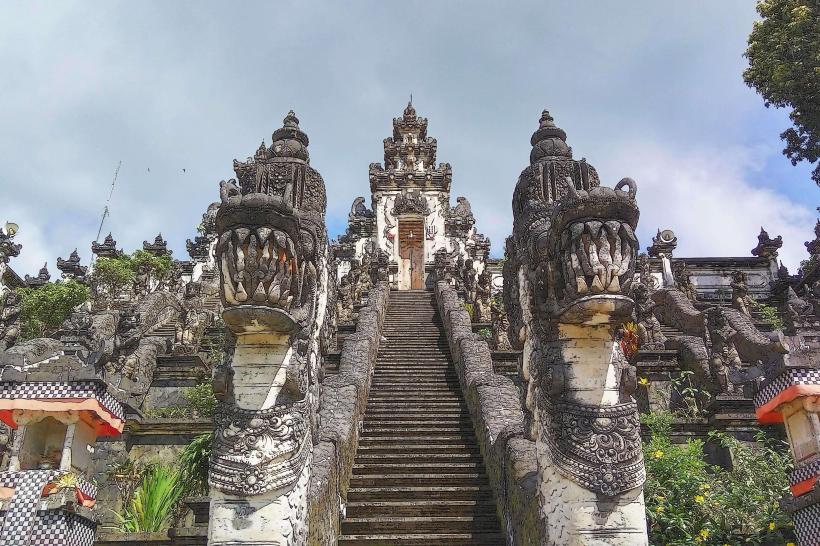
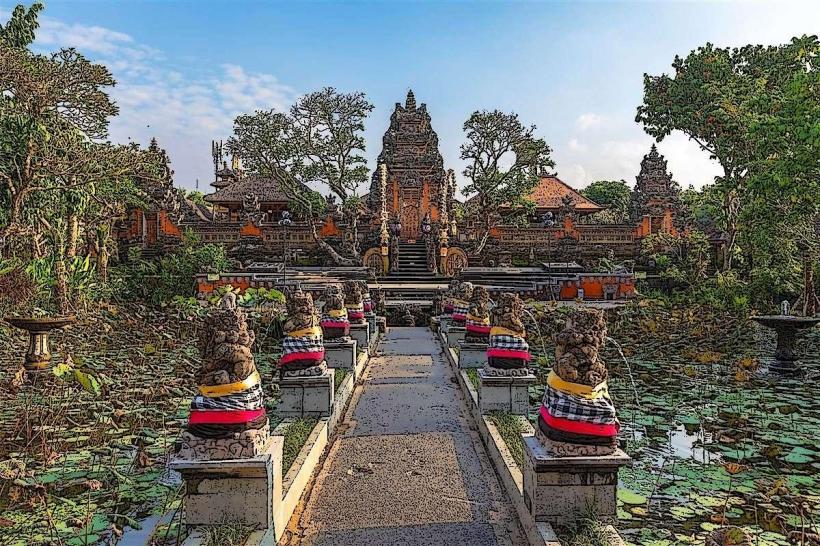
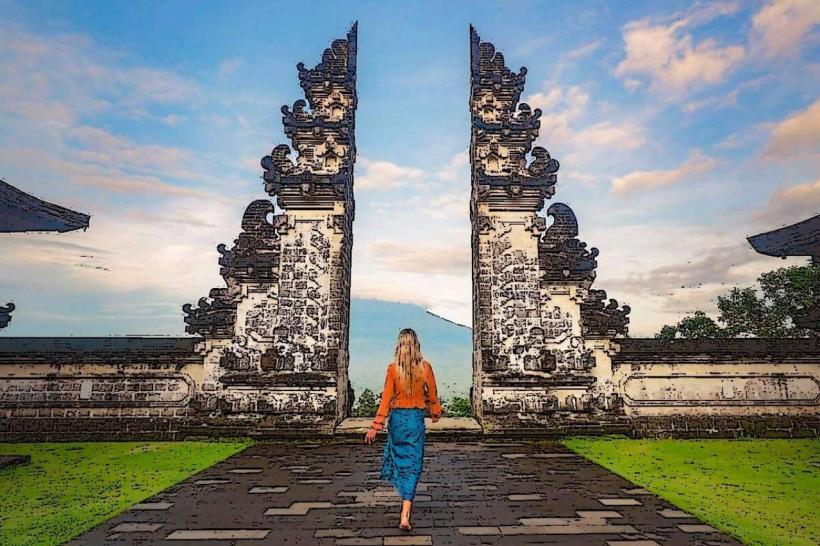
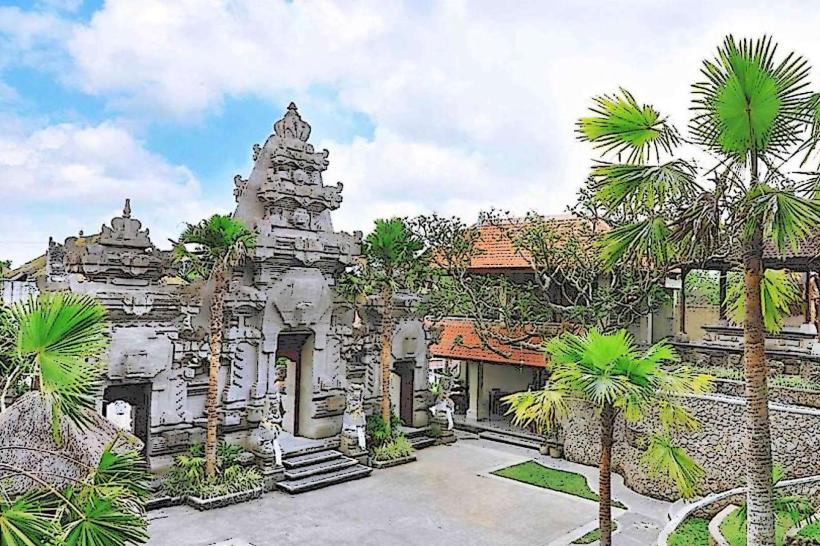
The temple complex covers approximately 100,000 square meters. It features multiple courtyards separated by moats and walls. The architecture is Balinese Hindu, characterized by tiered shrines (meru) with thatched roofs, stone carvings, and ornate gateways. The primary construction material is volcanic stone and brick, often plastered and painted. The central courtyard contains several multi-tiered meru structures, the tallest being an 11-tiered shrine dedicated to the god Vishnu. The outer courtyard has a large open field and a pavilion.
Location & Access Logistics
Taman Ayun Temple is situated approximately 8 kilometers northwest of Denpasar, the provincial capital. Access is via Jalan Ayah Taman Ayun, which connects to Jalan Raya Kapal. The temple is about a 30-minute drive from Denpasar depending on traffic. Parking is available on-site for cars and motorcycles. Public transport options directly to the temple are limited; private car hire or taxi services are the most common methods of arrival.
Historical & Ecological Origin
Construction of Taman Ayun Temple began in 1634 by I Gusti Agung Anom, the founder of the Mengwi Kingdom. It was originally built as a place of worship for the royal family and the people of the kingdom. The temple's design reflects the traditional Balinese concept of spatial organization, with distinct areas representing different levels of the cosmos. The surrounding moat and gardens are designed to create a tranquil environment, integrating the temple with its natural setting.
Key Highlights & Activities
Visitors can explore the various courtyards and observe the architectural details of the meru shrines and pavilions. Photography of the temple structures is permitted. Walking the grounds and appreciating the landscaping is a primary activity. Entry into the inner sanctums is restricted to priests and royal family members during ceremonies.
Infrastructure & Amenities
Restrooms are available within the temple complex. Shaded areas are provided by trees and covered pavilions. Cell phone signal (4G/5G) is generally good within the complex. Food vendors and small shops are located outside the main temple entrance, offering local snacks and souvenirs.
Best Time to Visit
The best time of day for photography is in the morning between 8:00 AM and 10:00 AM, or in the late afternoon from 3:00 PM to 5:00 PM, to avoid harsh midday sun and capture softer light. The dry season, from April to September, offers the most pleasant weather with less rainfall. There are no specific tide requirements for visiting this temple.
Facts & Legends
A notable feature is the large, open pavilion in the outer courtyard, known as the Wantilan. This structure was historically used for cockfighting, a traditional Balinese practice. The temple's name, "Taman Ayun," translates to "Beautiful Garden," reflecting its original design as a pleasure garden for the royal family.
Nearby Landmarks
- Pura Luhur Batukaru (25km Southwest)
- Ulun Danu Beratan Temple (30km North)
- Tanah Lot Temple (15km Southwest)
- Saraswati Temple, Ubud (20km Northeast)
- Goa Gajah (Elephant Cave) (18km Northeast)