Landmark: Biryogo Car Free Food Street
City: Kigali
Country: Rwanda
Continent: Africa
Biryogo Car Free Food Street, Kigali, Rwanda, Africa
Biryogo Food Street is a pedestrianized urban culinary zone located in the Nyamirambo neighborhood of the Nyarugenge District in Kigali. It occupies a section of KN 126 St and serves as a major social and gastronomic hub within the city's historic Muslim quarter.
Visual Characteristics
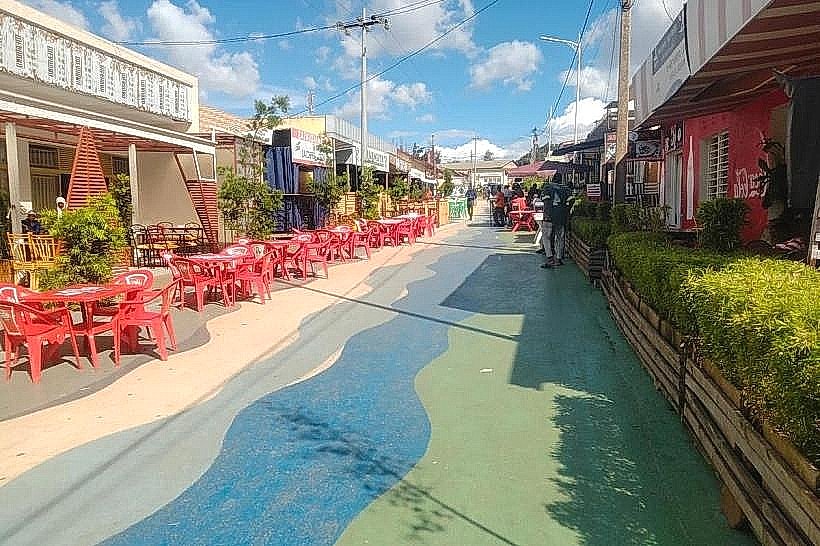
The street is distinguished by vibrant, large-scale geometric murals painted directly onto the asphalt in shades of green, blue, white, and grey, designed by graduates of the Nyundo School of Art. The layout features communal wooden and plastic tables and chairs arranged in the center of the road under distinctive red and white umbrellas. The surrounding architecture consists of low-rise masonry buildings housing specialized tea houses and small-scale restaurants with open-fronted facades.
Location & Access Logistics
Situated approximately 2km southwest of Kigali’s central business district, the zone is accessible via KN 126 St. Vehicular access is strictly prohibited by physical barriers and checkpoints at the entrance of the pedestrian strip. Visitors typically arrive via motorcycle taxi (moto) or private taxi; those with personal vehicles must utilize street parking on adjacent roads like KN 128 St or KN 119 St. Public minibuses (matatus) serve the nearby Nyamirambo area, followed by a 5-to-10-minute walk to the colorful pavement sections.
Historical & Ecological Origin
The Biryogo Car-Free Zone was officially inaugurated in early 2022 as part of a municipal initiative led by the City of Kigali to promote urban socialization and sustainable pedestrian spaces. Historically, the Biryogo neighborhood has been the center of Kigali's Muslim community, which influenced the street's long-standing tradition of tea culture and halal food preparation. Geologically, the street sits on the characteristic red laterite soil of the Kigali ridges, though the entire surface is currently paved and painted.
Key Highlights & Activities
The primary activity is communal dining, with a focus on local specialties such as "Pilau" (spiced rice), brochettes (grilled meat skewers), and chapati. Consumption of traditional "Thé Vert" (ginger-spiced green tea) is a central social ritual. In the evenings, the area becomes a hub for board games, specifically "Igisoro," and lively social interaction. Photography is a common activity due to the artistic pavement murals and the vibrant evening lighting.
Infrastructure & Amenities
The street is a designated non-alcoholic zone due to local cultural norms. Basic restroom facilities are provided within individual restaurants lining the street. The area maintains high-density 4G and 5G cellular coverage from major Rwandan providers. While the street offers no natural shade, the extensive use of umbrellas and building overhangs provides protection from the sun. Food vendors are numerous and operate in a competitive environment, often employing promoters to direct visitors to specific tables.
Best Time to Visit
The zone is officially open 24/7, but peak activity occurs between 18:00 and 22:00 when the daytime heat subsides and local social life intensifies. For photography of the colorful murals, midday (12:00 to 14:00) provides the most direct lighting to minimize shadows. The dry seasons from June to August are preferred to ensure outdoor seating remains viable.
Facts & Legends
The street is famous for its "halal hospitality," a verified local cultural code where alcohol is strictly prohibited, creating a family-friendly environment unique among Kigali’s nightlife spots. A local tip involves the "Big Fish" tradition-a massive tilapia grilled with onions and spices, intended for sharing among 3 to 4 people, which has become a signature dish of the Nyamirambo district.
Nearby Landmarks
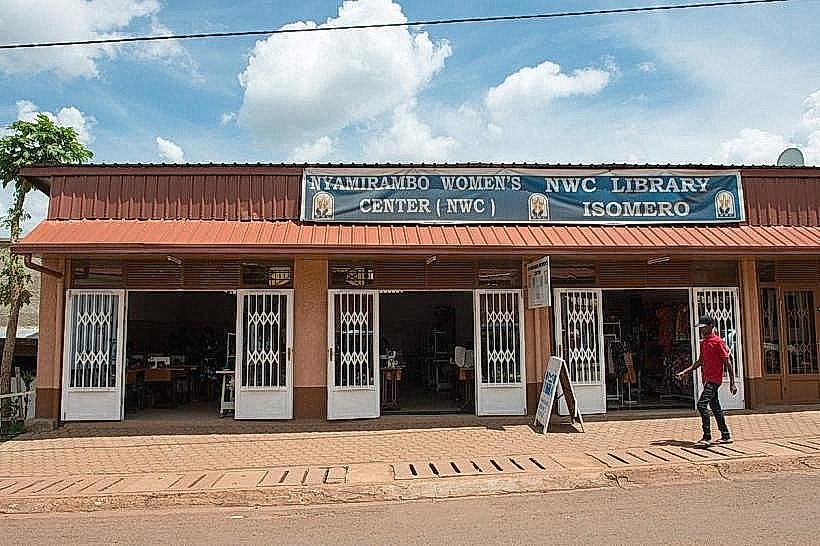
Nyamirambo Women's Center – 0.6km West
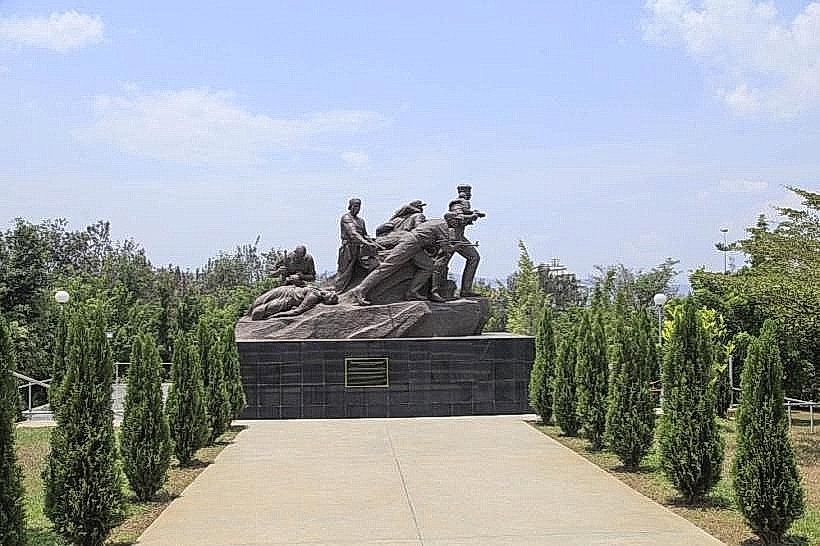
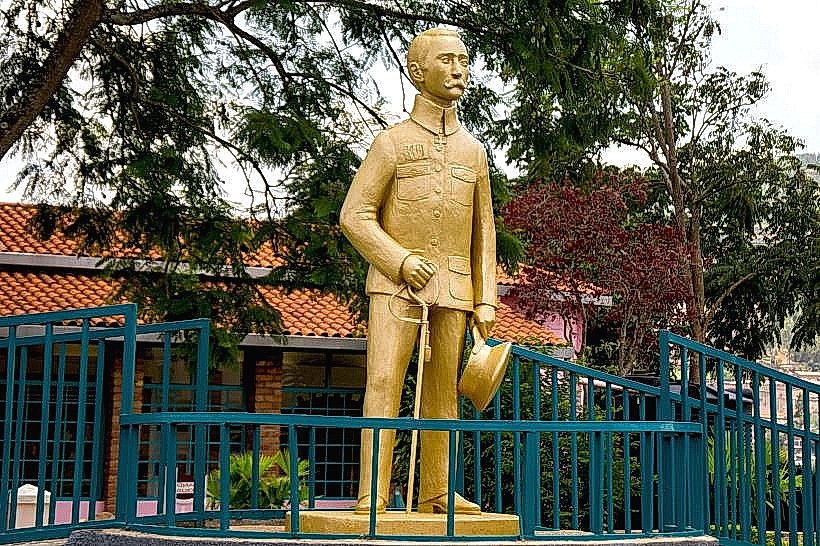
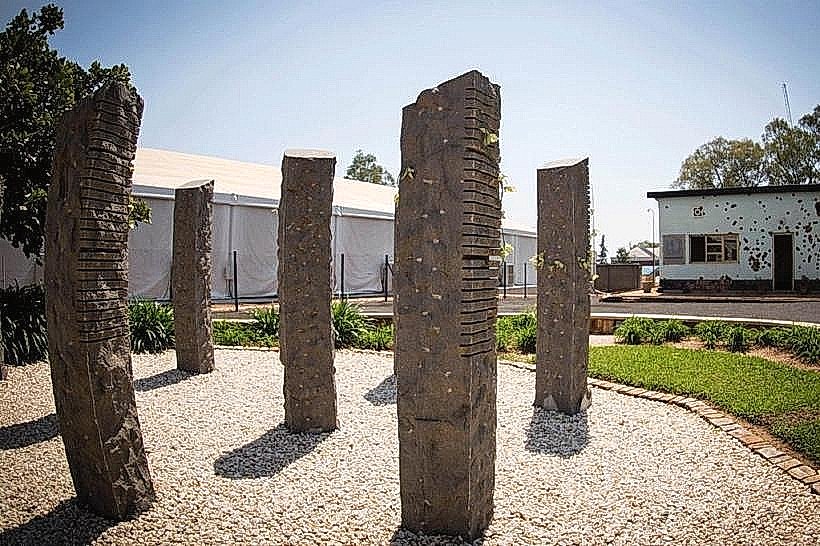
Belgian Peacekeepers Memorial – 0.9km Southeast
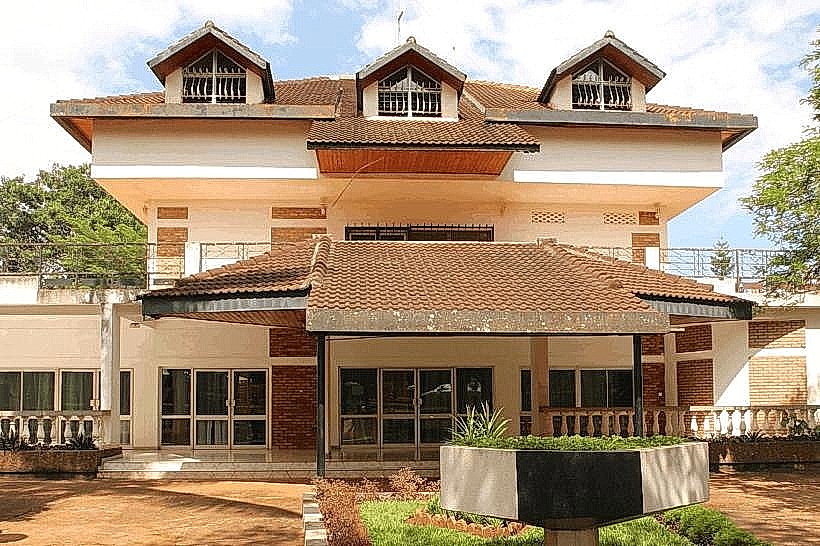
Kandt House Museum – 2.2km Northeast
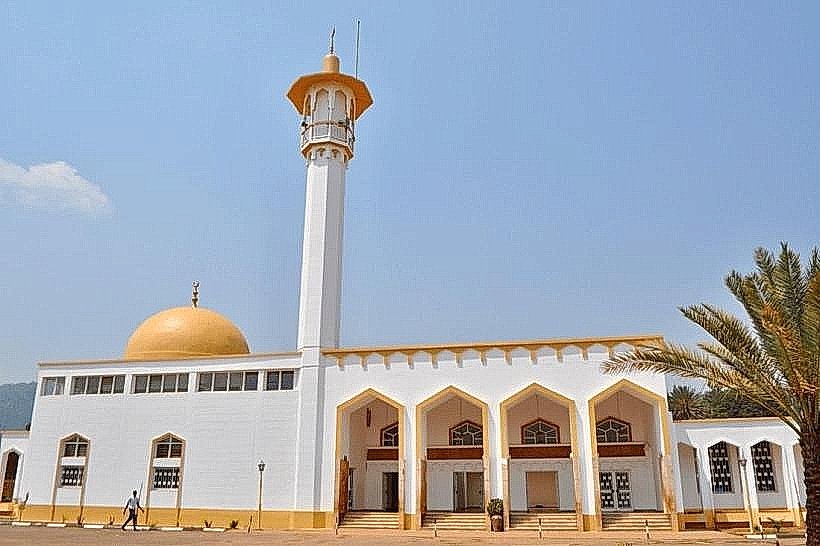
Green Mosque (Masjid al-Fatah) – 0.4km South
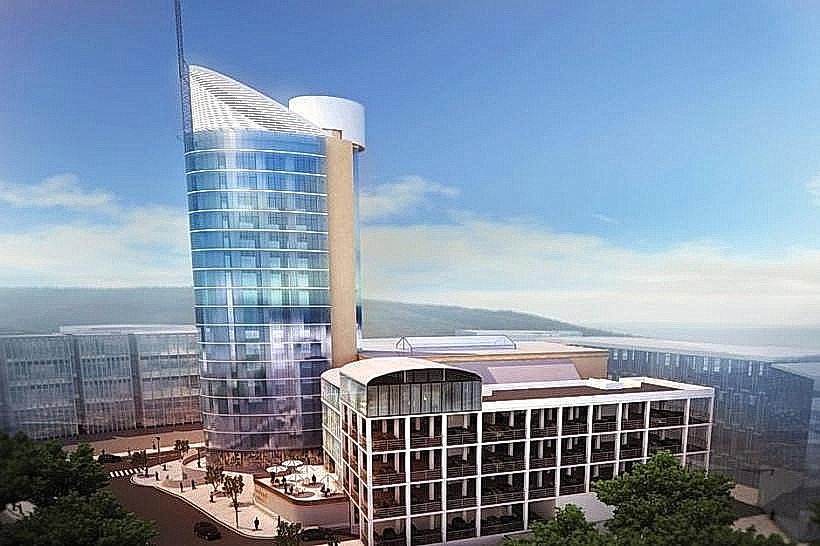
M Peace Plaza – 2.0km Northeast