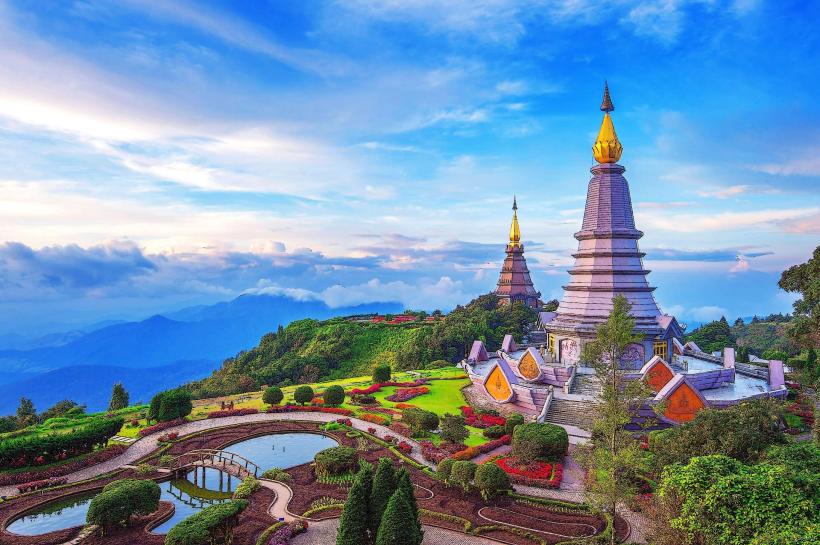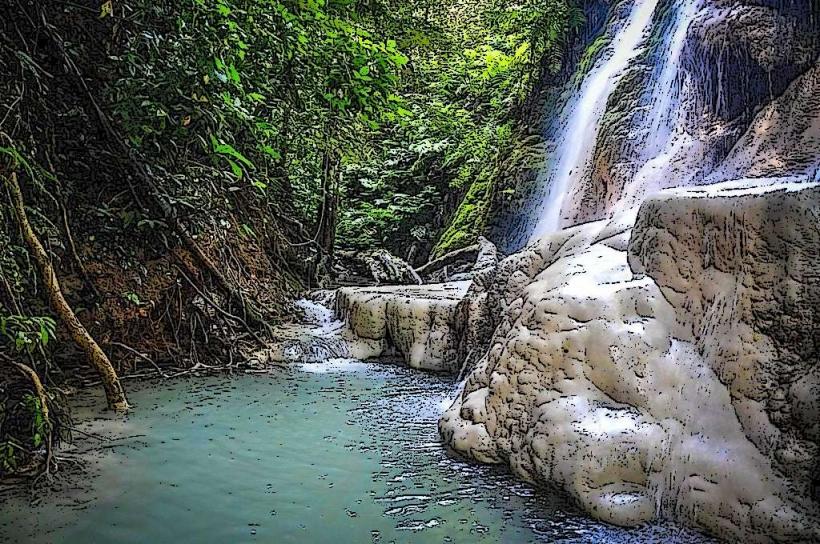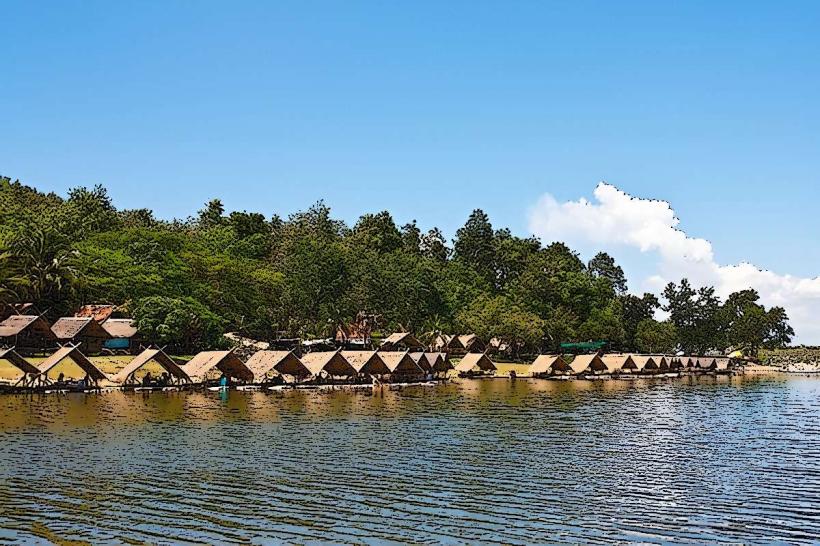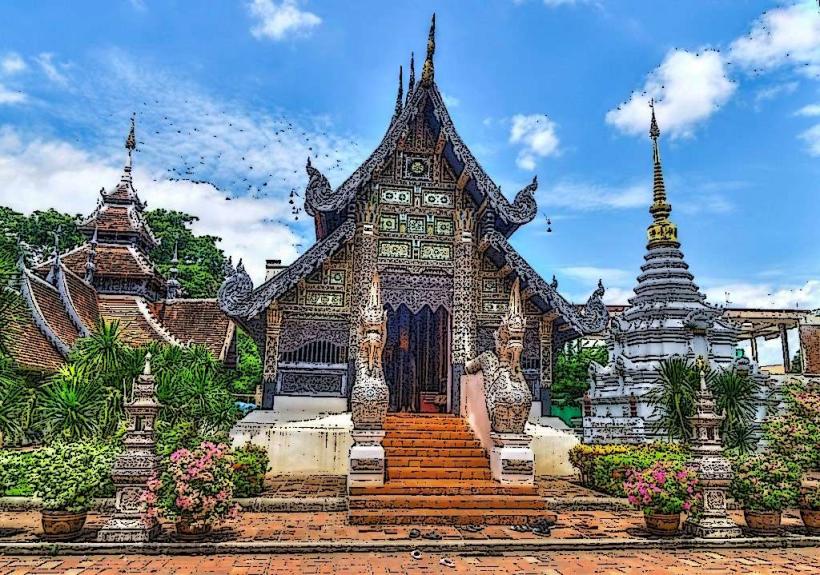
Landmark: Doi Pui Hmong Village
City: Chiang Mai
Country: Thailand
Continent: Asia
Doi Pui Hmong Village, Chiang Mai, Thailand, Asia
Doi Pui Hmong Village is a cultural settlement located on the slopes of Doi Suthep mountain, northwest of Chiang Mai, Thailand.
It functions as a living museum and a community for the Hmong people.
Visual Characteristics
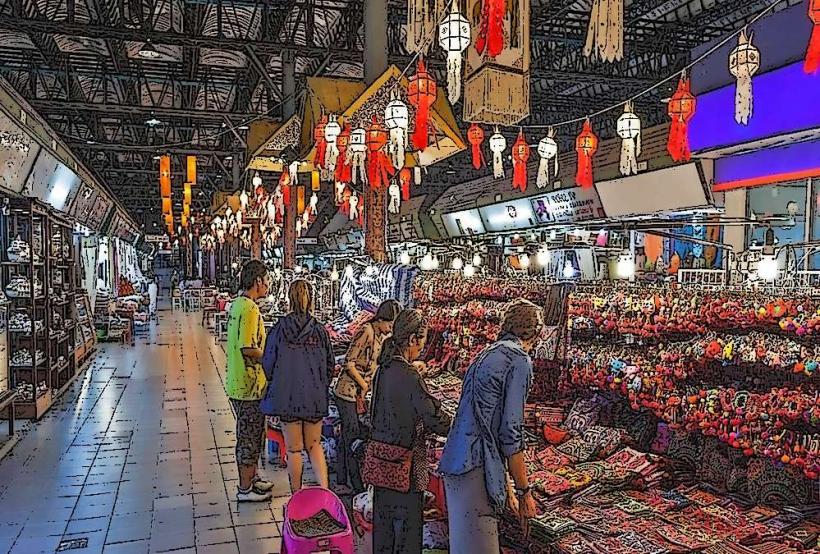
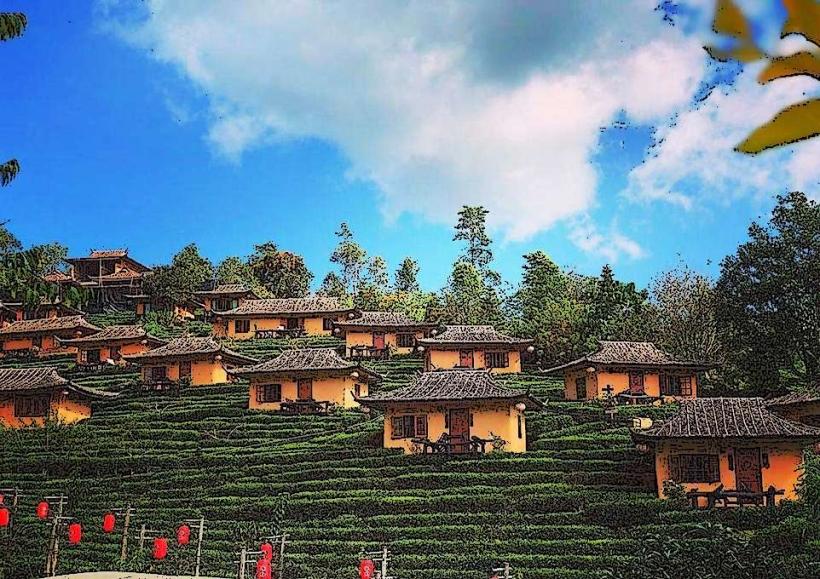
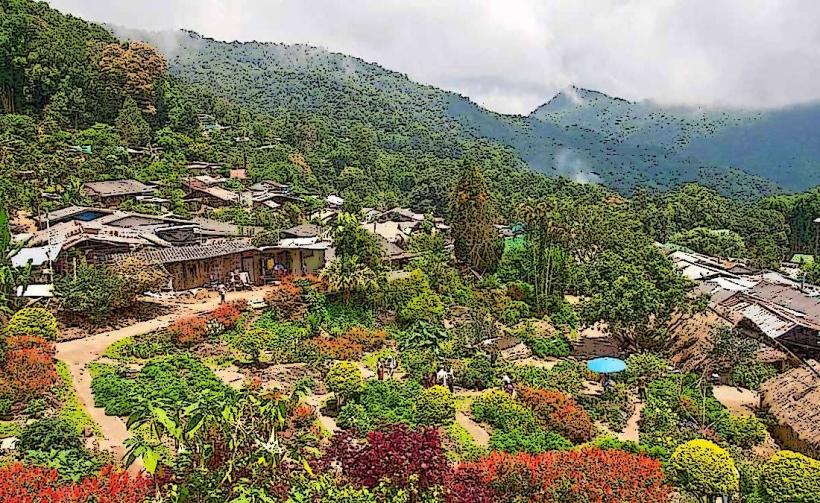
The village consists of traditional Hmong longhouses constructed from wood and bamboo, often with corrugated metal roofing. Structures are typically single-story. The surrounding area features terraced fields, primarily for agriculture, with varying shades of green depending on the crop and season. Local handicrafts, such as textiles and silver jewelry, are displayed and sold.
Location & Access Logistics
The village is situated approximately 10 kilometers from the summit of Doi Suthep, which is about 15 kilometers northwest of Chiang Mai city center. Access is via the paved Doi Suthep road (Route 1004). Private vehicles and taxis can reach the village. Songthaews (red shared taxis) operating from Chiang Mai's Old City or near Wat Phra That Doi Suthep are a common public transport option. Parking is available at designated areas within or near the village, though it can be limited during peak times.
Historical & Ecological Origin
Doi Pui Hmong Village was established by Hmong migrants from southern China. The Hmong are an ethnic group with a history of migration across Southeast Asia. The village's location on Doi Suthep is part of the Doi Suthep-Pui National Park, an area characterized by tropical rainforest and montane ecosystems.
Key Highlights & Activities
Visitors can observe traditional Hmong housing and daily life. Demonstrations of traditional Hmong crafts, including embroidery and weaving, are often available. The village also features a small museum detailing Hmong history and culture. Agricultural terraces offer opportunities for photography. Local produce and handicrafts are sold by residents.
Infrastructure & Amenities
Restrooms are available for visitors. Some areas offer shade from trees and building overhangs. Cell phone signal (4G) is generally present. Small food stalls and vendors selling local snacks and drinks are located within the village.
Best Time to Visit
The best time of day for photography is generally mid-morning or late afternoon when the light is less direct. The dry season, from November to February, offers pleasant weather with lower humidity. The village is accessible year-round.
Facts & Legends
A notable aspect of the village is its historical connection to opium cultivation, which was a significant part of the Hmong economy in the mid-20th century. Efforts have since been made to transition to alternative crops. A specific tip for visitors is to engage respectfully with residents; many are willing to share insights into their culture if approached politely.
Nearby Landmarks
- Wat Phra That Doi Suthep (3km Southwest)
- Bhubing Palace (2km West)
- Doi Suthep-Pui National Park Ranger Station (4km Northwest)
- Monk's Trail (5km Southwest)