Information
Landmark: Little HavanaCity: Miami
Country: USA Florida
Continent: North America
Little Havana, Miami, USA Florida, North America
Little Havana is a neighborhood located in Miami, Florida, USA. It is recognized as a cultural hub for Cuban expatriates and their descendants.
Visual Characteristics
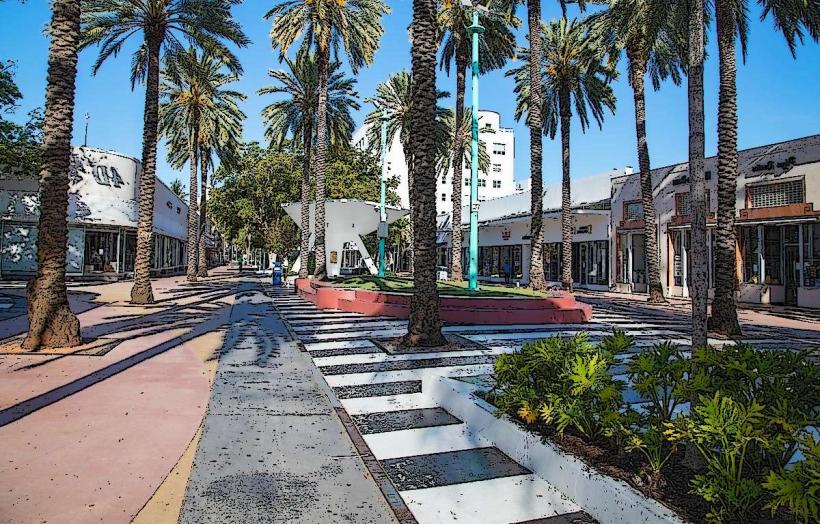
The architecture in Little Havana features a mix of Art Deco, Mediterranean Revival, and utilitarian styles. Buildings are typically two to three stories high, constructed from concrete block and stucco, often painted in pastel or bright, saturated colors. Decorative elements include wrought-iron balconies, arched windows, and tiled roofs. Streetscapes are characterized by sidewalks lined with palm trees and vibrant murals depicting Cuban history and culture.
Location & Access Logistics
Little Havana is situated west of Downtown Miami. Access is primarily via Southwest 8th Street (Calle Ocho), which serves as the neighborhood's main artery. From Miami International Airport (MIA), it is approximately a 15-20 minute drive (7 miles) via SR 836 East. Public transportation options include Miami-Dade Transit bus routes such as the 8, 11, 21, 40, and 52, which run along Calle Ocho and surrounding streets. Limited street parking is available, with several paid parking lots located throughout the neighborhood.
Historical & Ecological Origin
The area that became Little Havana was originally developed in the early 20th century. Its transformation into a Cuban enclave began in the 1960s with the influx of Cuban refugees following the Cuban Revolution. The neighborhood's development is a direct result of socio-political events rather than a specific architect or builder, evolving organically as a center for Cuban-American life.
Key Highlights & Activities
Visitors can observe cigar rolling demonstrations at cigar factories. Domino games are played at Maximo Gomez Park (Domino Park). Live music performances are common in restaurants and cafes along Calle Ocho. Art galleries display Cuban and Latin American art. Cultural centers offer insights into Cuban heritage. Sampling traditional Cuban cuisine, including cafecito and pastries, is a primary activity.
Infrastructure & Amenities
Restrooms are available in many restaurants and cafes. Shade is provided by trees along some streets and awnings of businesses. Cell phone signal (4G/5G) is generally strong throughout the neighborhood. Numerous food vendors and restaurants are present, offering a wide range of Cuban and Latin American food options.
Best Time to Visit
The best time of day for photography is late morning or late afternoon when the sunlight creates distinct shadows and highlights on the colorful buildings. The most pleasant months for visiting are from November to April, avoiding the peak heat and humidity of summer. Daytime temperatures typically range from 70°F to 80°F (21°C to 27°C) during these months.
Facts & Legends
A unique aspect of Little Havana is the presence of "ventanitas" (little windows) in many cafes, where patrons can quickly purchase Cuban coffee and pastries. The neighborhood is also known for its annual Calle Ocho Music Festival, a large street festival celebrating Hispanic culture.
Nearby Landmarks
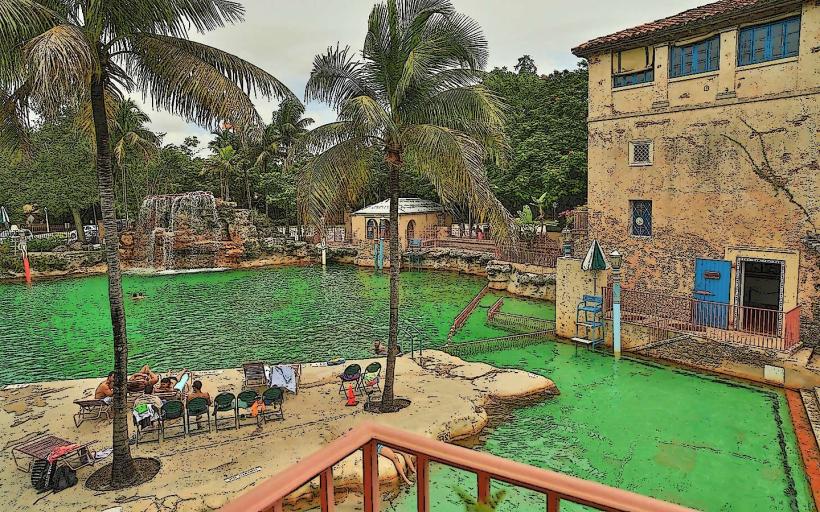
- Vizcaya Museum & Gardens: 3.5km Southeast
- Bayside Marketplace: 4.8km East
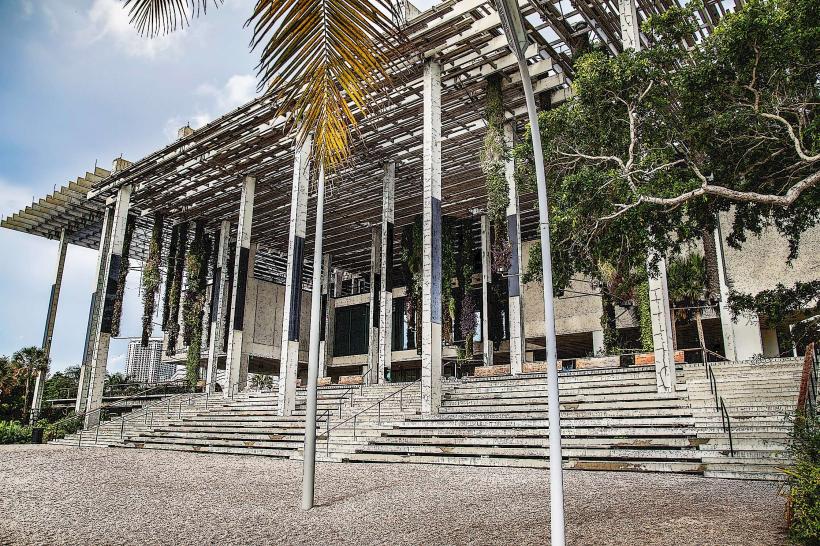
- Perez Art Museum Miami (PAMM): 4.5km East
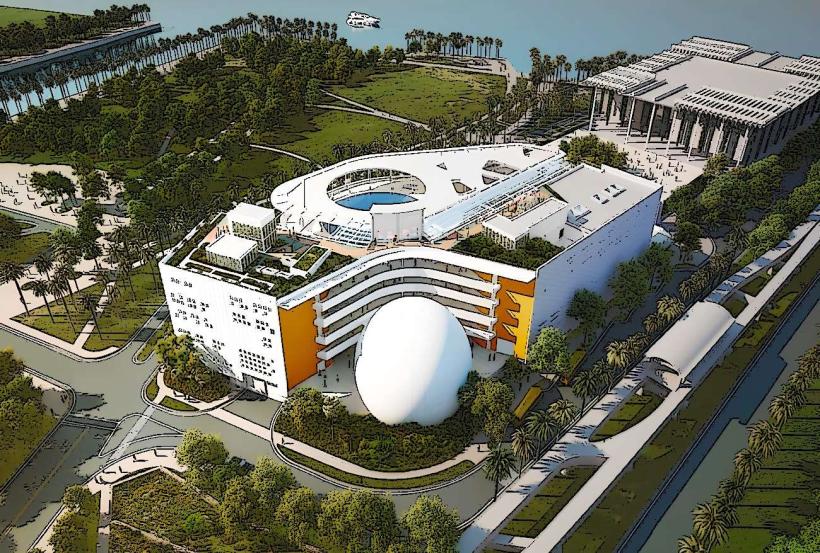
- Phillip and Patricia Frost Museum of Science: 4.7km East
- Everglades National Park (Ernest F. Coe Visitor Center entrance): Approximately 45km Southwest (outside the 5km radius, but a significant nearby destination)