Information
Landmark: Miami BeachesCity: Miami
Country: USA Florida
Continent: North America
Miami Beaches, Miami, USA Florida, North America
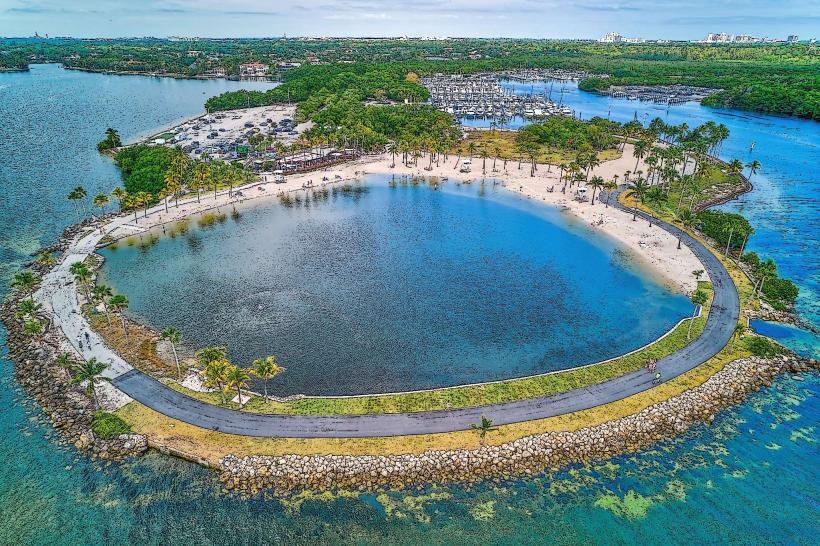
Miami Beaches refers to the collective coastline of Miami-Dade County, Florida, USA. These beaches extend along the Atlantic Ocean, forming a significant portion of the county's eastern boundary.
Visual Characteristics
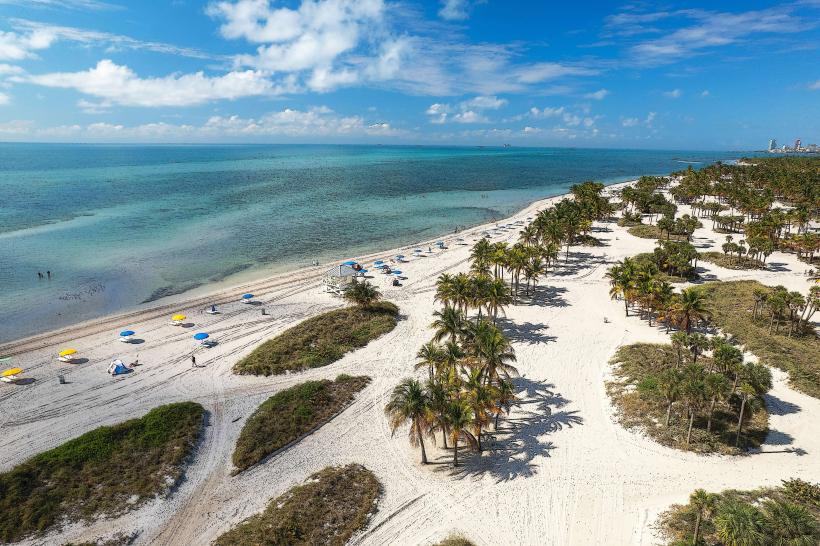
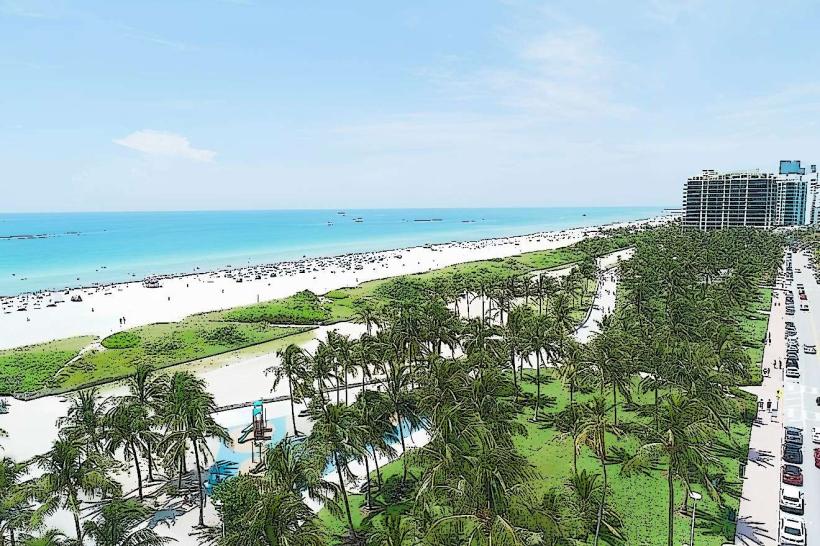
The beaches are characterized by fine, white to light tan sand. The ocean water typically exhibits a clear to light turquoise hue, with wave action varying from calm to moderate depending on weather patterns. Beach width can range from approximately 50 to 200 meters. Vegetation is generally sparse on the immediate beachfront, with some areas featuring dune systems supporting sea oats and other salt-tolerant plants.
Location & Access Logistics
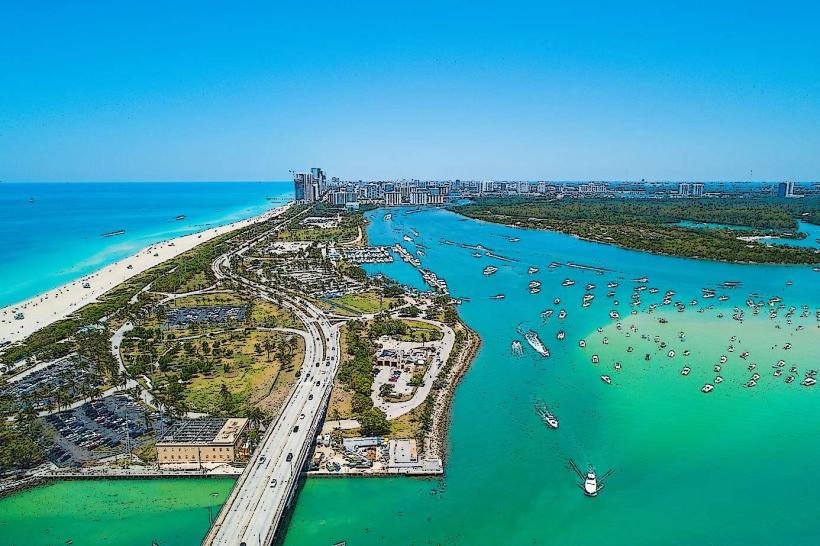
Miami Beaches are situated along the eastern coast of Miami-Dade County. Access points are numerous, with major roads like Collins Avenue and Ocean Drive running parallel to the coastline. From Miami International Airport (MIA), travel east on SR 112 E and then follow signs for Miami Beach. Parking is available in metered street parking zones and multi-level parking garages, particularly in areas like South Beach and Mid-Beach. Public transport options include Miami-Dade Transit bus routes, such as the 120 Beach Express, and the free Miami Beach Trolley system, which serves various zones within Miami Beach.
Historical & Ecological Origin
The formation of Miami Beach as a barrier island is a result of natural geological processes, primarily the accumulation of sand over millennia. Human development began in the early 20th century, with significant land reclamation and construction efforts transforming the area into a resort destination. The original purpose was tourism and residential development.
Key Highlights & Activities
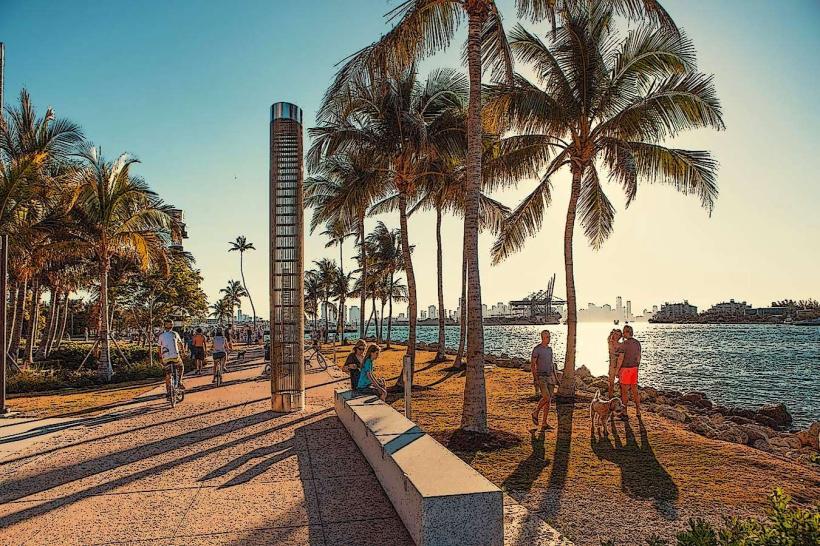
Activities include sunbathing, swimming, and beachcombing. Designated areas permit watersports such as jet skiing and paddleboarding. Lifeguard stations are present along most of the developed beach sections. Walking and jogging paths are available in many areas.
Infrastructure & Amenities
Restrooms and public showers are available at numerous access points. Shade structures, such as umbrellas and cabanas, can be rented in many locations. Cell phone signal (4G/5G) is generally strong across the developed beach areas. Food vendors and restaurants are concentrated along adjacent streets like Ocean Drive and Collins Avenue.
Best Time to Visit
For photography, early morning (sunrise) and late afternoon (pre-sunset) offer optimal lighting conditions. The best months for weather are typically from November to April, avoiding the peak heat and humidity of summer and the hurricane season. High tide can reduce the available beach width in some sections.
Facts & Legends
A notable historical fact is the significant role of land developers like Carl G. Fisher in the early 20th century, who envisioned and funded much of the initial infrastructure and marketing that established Miami Beach as a premier destination. A specific tip for visitors is to check local event calendars, as the beaches often host temporary installations, festivals, or sporting events that can impact access and crowd levels.
Nearby Landmarks
- South Pointe Park (0.8km South)
- Art Deco Historic District (1.5km Northwest)
- Lummus Park (1.2km Northwest)
- Miami Beach Convention Center (3.5km Northwest)
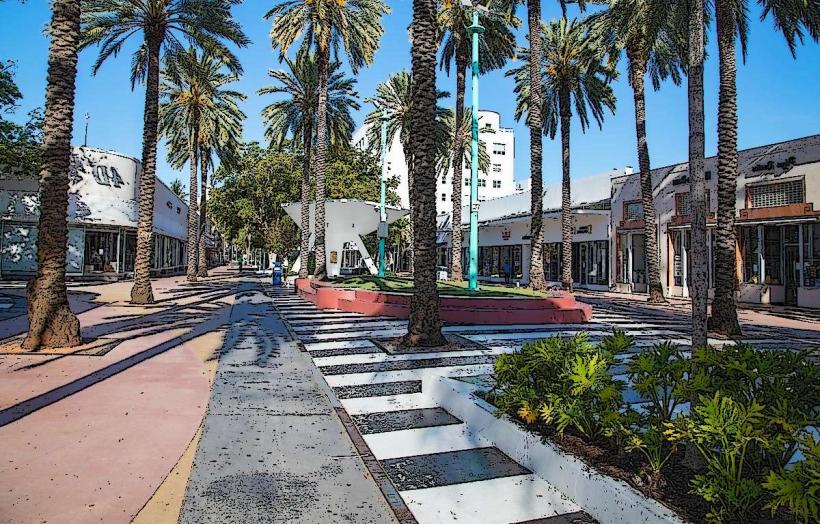
- Lincoln Road Mall (3.0km Northwest)