Information
Landmark: National MallCity: Northwest Washington
Country: USA Washington DC
Continent: North America
National Mall, Northwest Washington, USA Washington DC, North America
The National Mall is a large, open-air urban park located in Northwest Washington, D.C. It serves as a central gathering space and contains numerous monuments, museums, and memorials.
Visual Characteristics
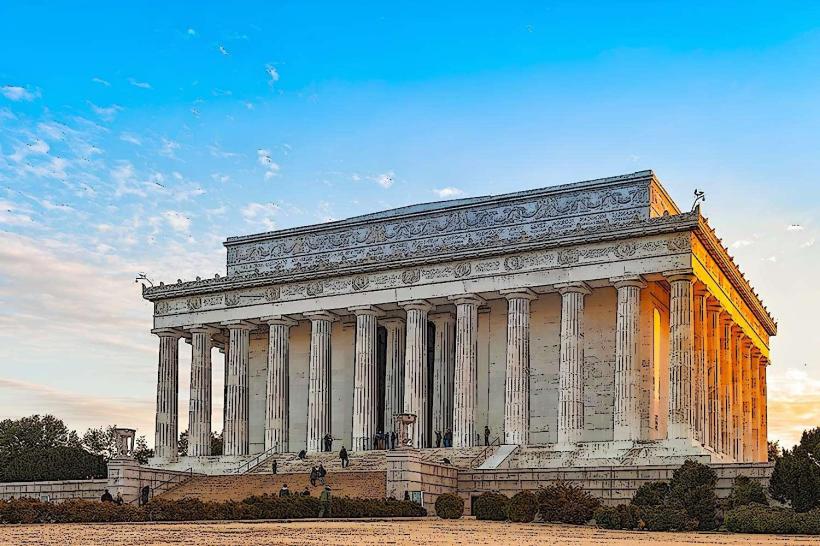
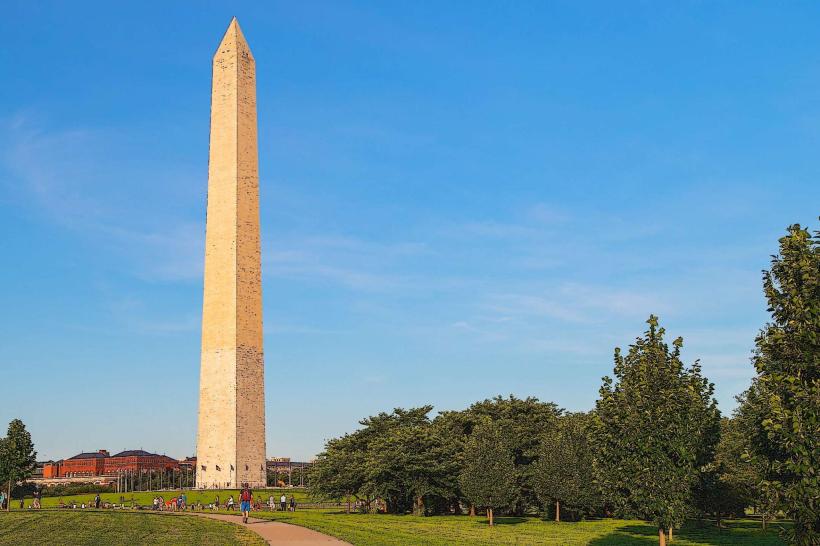
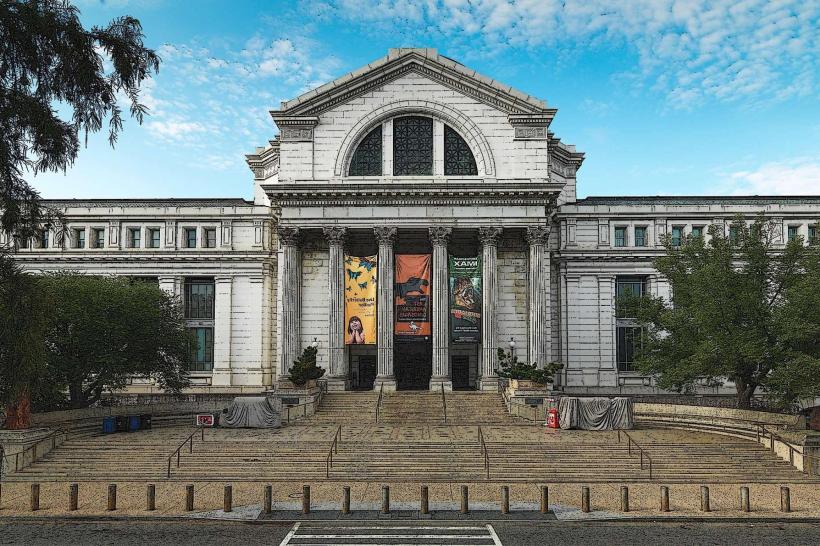
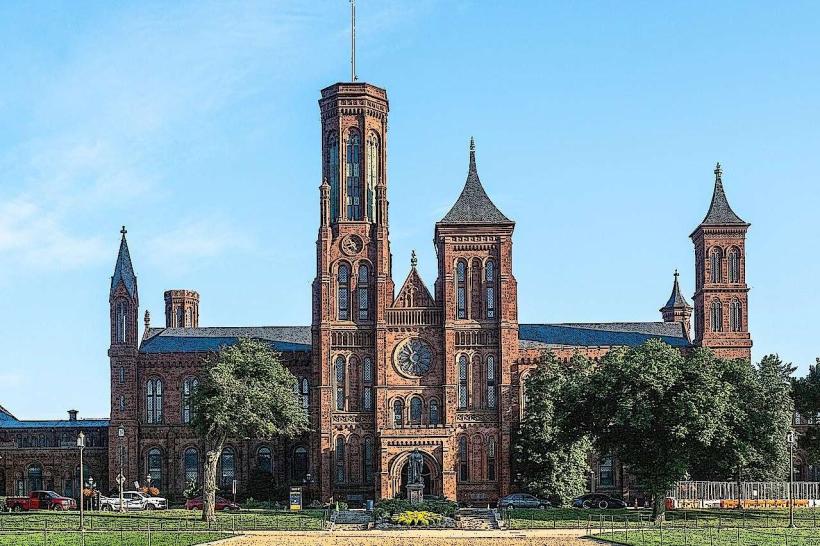
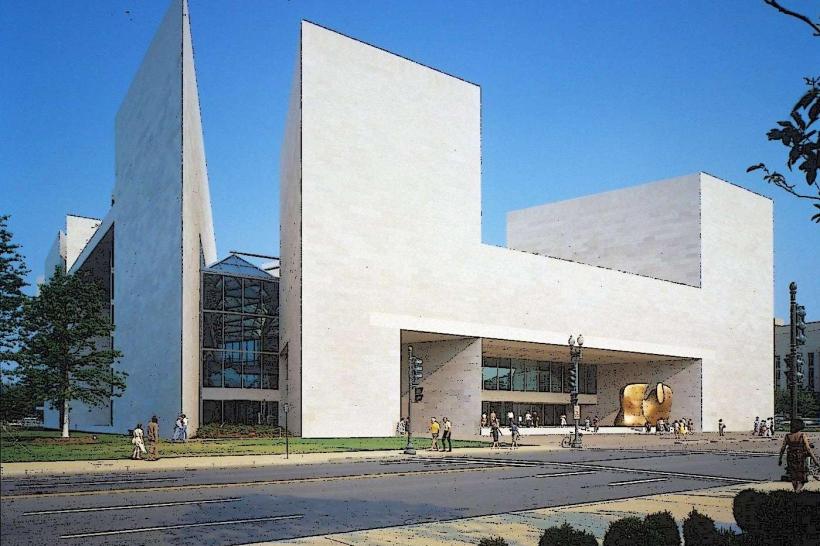
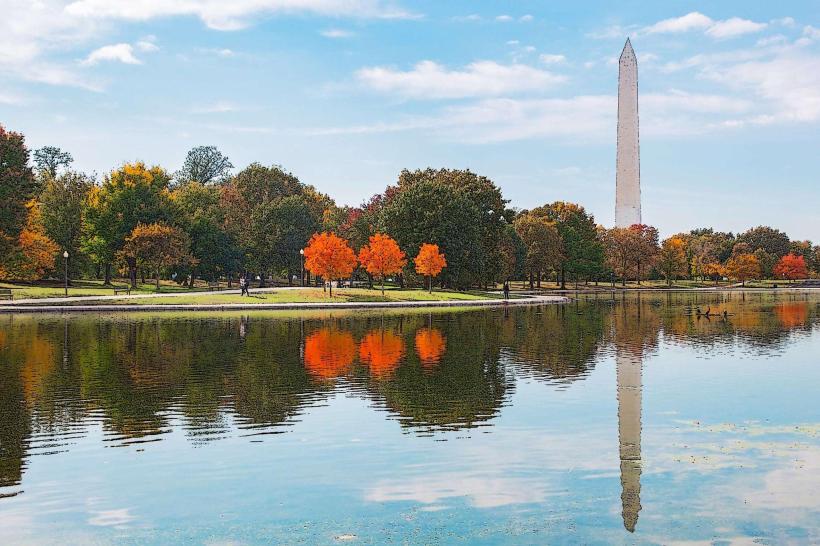
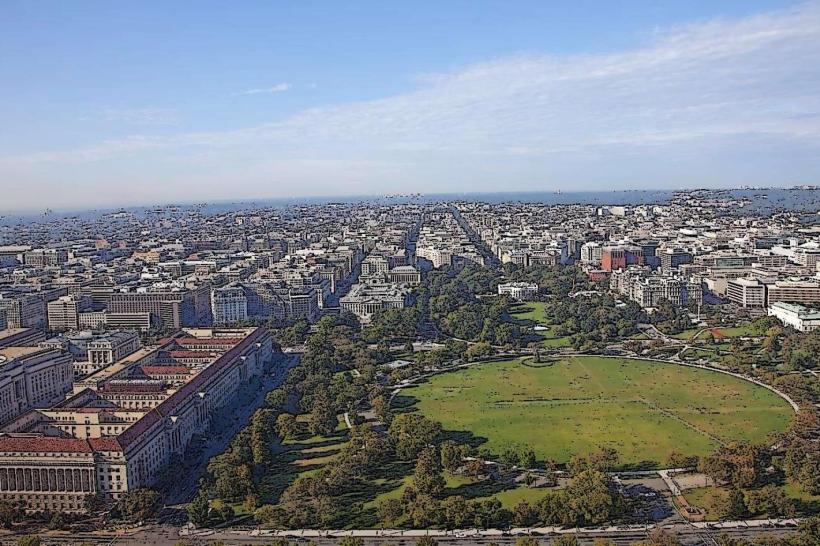
The Mall is characterized by expansive green lawns, tree-lined promenades, and paved walkways. It stretches approximately 3km from the Lincoln Memorial to the Capitol Building. Key structures include the Washington Monument, a white obelisk, and the Lincoln Memorial, a neoclassical structure with Doric columns. The Smithsonian museums, primarily constructed of limestone and granite, line the central portion of the Mall.
Location & Access Logistics
The National Mall is situated in Northwest Washington, D.C., accessible via Constitution Avenue NW and Independence Avenue SW. It is approximately 3km west of the U.S. Capitol Building. Parking is limited and primarily available in designated lots near the Smithsonian museums and along the perimeter, often with time restrictions. Public transportation is readily available; the Washington Metro system serves several stations along the Mall, including Federal Triangle, Smithsonian, and Foggy Bottom-GWU. Multiple bus routes also operate along Constitution Avenue and Pennsylvania Avenue.
Historical & Ecological Origin
The National Mall's design evolved over time, with initial plans dating back to Pierre Charles L'Enfant's 1791 plan for the federal city. The current configuration largely reflects the McMillan Plan of 1901. The area was originally a marshy Tidal Basin and later developed into a formal garden and park. The monuments and museums were constructed throughout the 19th and 20th centuries to commemorate significant figures and events in American history.
Key Highlights & Activities
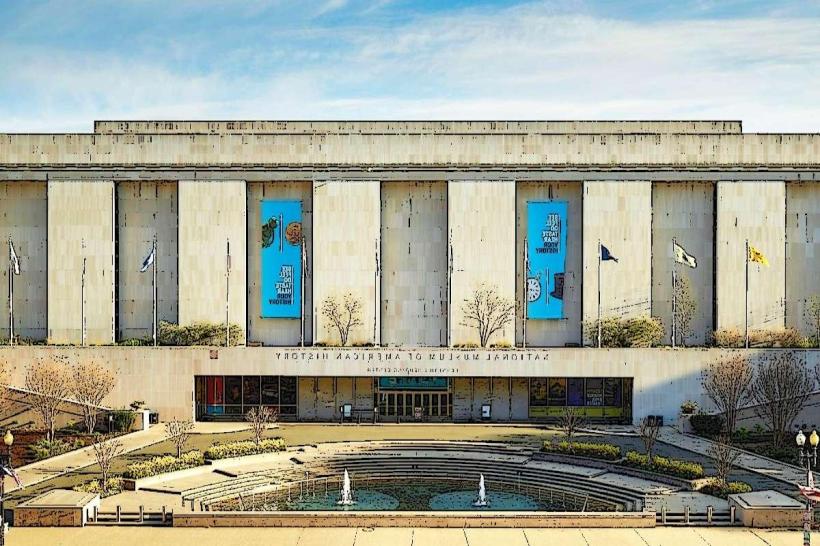
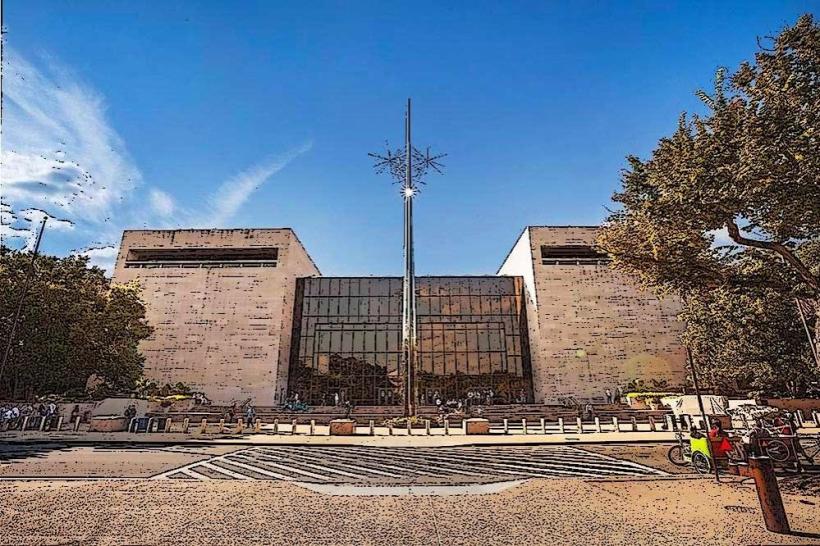
Visitors can walk or bike the length of the Mall, explore the grounds of the Washington Monument, and visit the Lincoln Memorial. Access to the Smithsonian National Museum of Natural History, National Museum of American History, National Air and Space Museum, and National Gallery of Art is permitted. Photography of the monuments and museum exteriors is allowed. Picnicking is permitted in designated lawn areas.
Infrastructure & Amenities
Restrooms are available within the Smithsonian museums and at several designated visitor centers. Shade is provided by mature trees along the promenades. Cell phone signal (4G/5G) is generally consistent across the Mall. Food vendors, including hot dog carts and ice cream trucks, are frequently present, particularly during peak seasons. Several cafes and restaurants are located within the Smithsonian museums.
Best Time to Visit
For optimal lighting for photography of the monuments, early morning (sunrise) and late afternoon (sunset) are recommended. The best months for weather are April through May and September through October, with average temperatures ranging from 15°C to 25°C. Summer months (June-August) can be hot and humid. Winter months (December-February) are cold but offer fewer crowds.
Facts & Legends
The Washington Monument was the tallest structure in the world upon its completion in 1884. A lesser-known fact is that the original design for the Washington Monument included a base that was significantly wider than the shaft, intended to support a colossal statue of George Washington. This was later revised.
Nearby Landmarks
- United States Capitol Building (0.5km East)
- White House (1.5km Northwest)
- National Archives Museum (0.8km North)
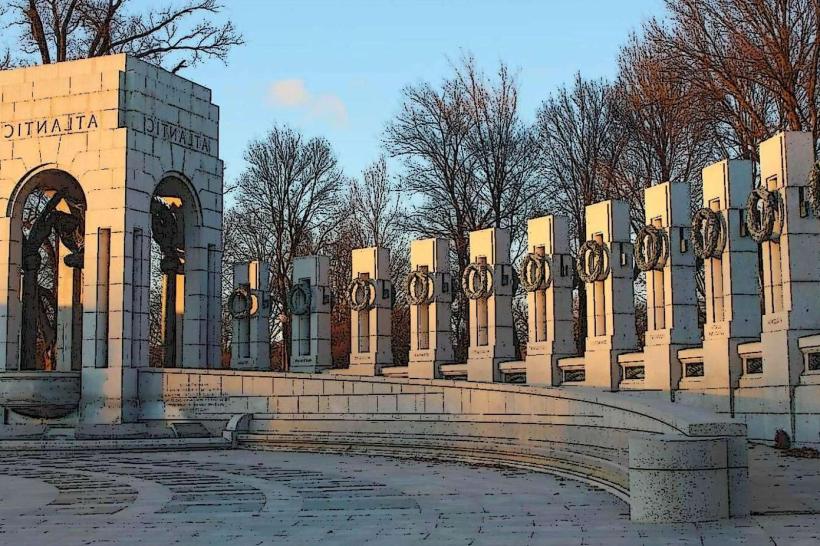
- World War II Memorial (0.3km Southwest)
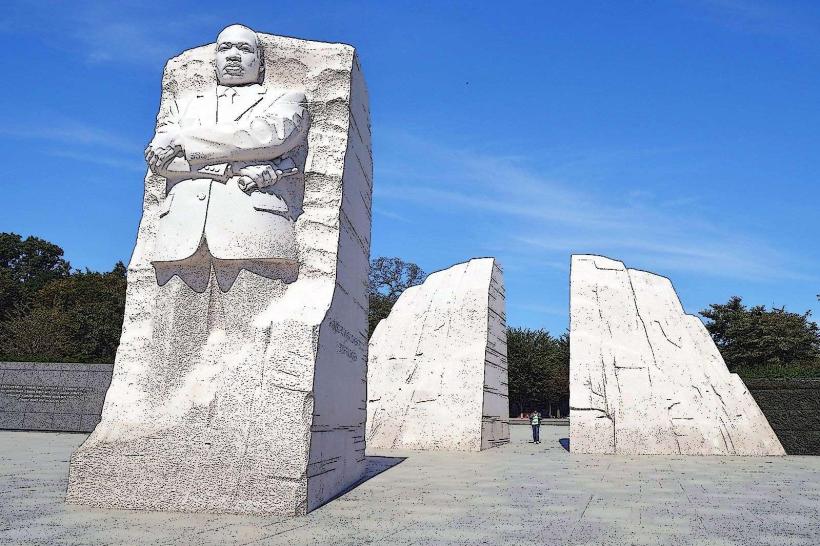
- Martin Luther King, Jr. Memorial (1.2km Southwest)