Landmark: Tonle Sap Lake
City: Siem Reap
Country: Cambodia
Continent: Asia
Tonle Sap Lake, Siem Reap, Cambodia, Asia
Tonle Sap Lake is Southeast Asia's largest freshwater lake, located in northwestern Cambodia. It is a vital ecological resource and a significant part of Cambodian life.
Visual Characteristics
The lake's surface area fluctuates dramatically between the wet and dry seasons. During the wet season, it can expand to over 16,000 square kilometers, with depths reaching up to 10 meters. The water color is typically a muddy brown due to sediment runoff. During the dry season, the lake shrinks considerably, with depths sometimes less than 1 meter in certain areas. The surrounding landscape is characterized by flooded forests and agricultural land.
Location & Access Logistics
Tonle Sap Lake is accessible from Siem Reap, approximately 15 kilometers west of the city center. Access is primarily via boat tours departing from piers such as Chong Kneas, Kampong Phluk, or Mechrey. Road access to these piers is via National Road 6, with local transport options including tuk-tuks and taxis. Boat tours vary in duration and destination, with prices dependent on the route and vessel type.
Historical & Ecological Origin
Tonle Sap Lake is a unique hydrological phenomenon. Its existence and size are dictated by the Tonle Sap River, which flows into the Mekong River in Phnom Penh. During the monsoon season, the Mekong's water levels rise, causing the Tonle Sap River to reverse its flow, emptying into the lake and causing it to expand significantly. This annual inundation is crucial for the lake's ecosystem and the surrounding floodplains.
Key Highlights & Activities
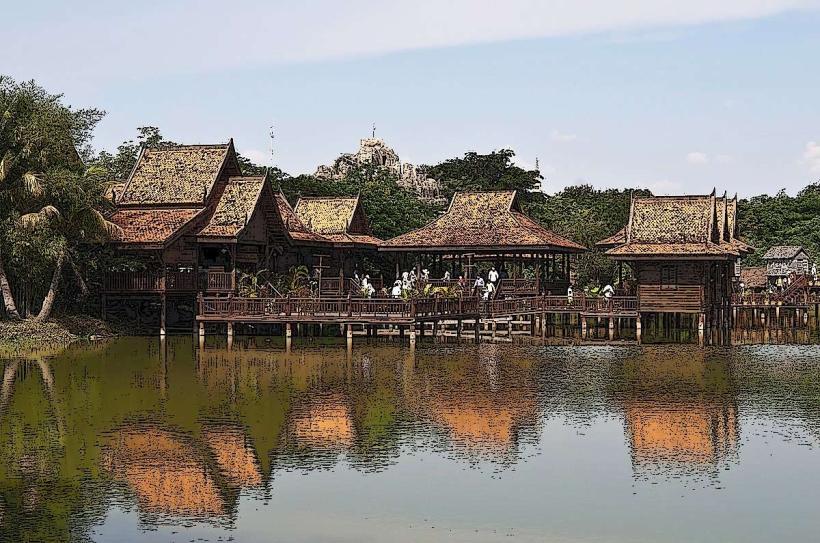
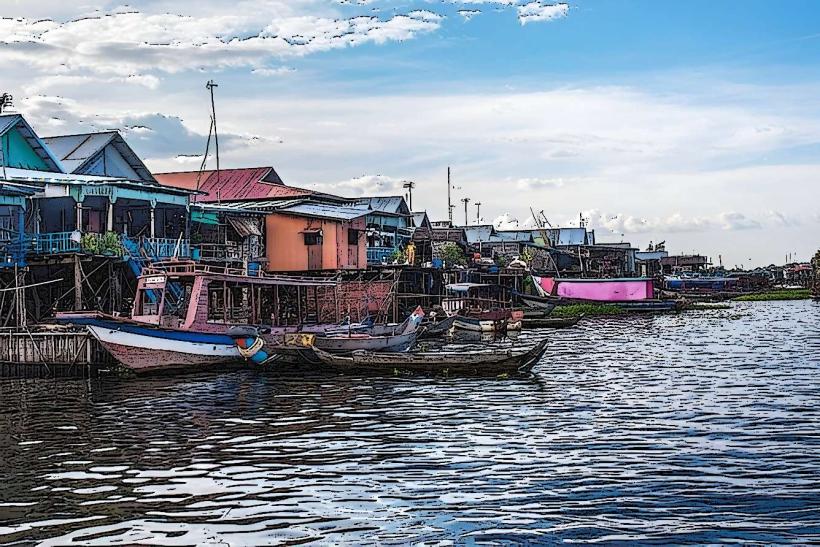
Activities include boat tours to observe floating villages (e.g., Kampong Phluk, Chong Kneas), which are communities built on stilts or rafts. Visitors can witness local fishing practices and the unique lifestyle adapted to the lake's fluctuating water levels. Birdwatching is also a notable activity, especially in the flooded forest areas.
Infrastructure & Amenities
Basic amenities are available at the departure piers, including small food stalls and souvenir shops. Restrooms are generally available at the piers. Cell phone signal can be intermittent on the lake itself. Shade is provided by boat canopies during tours. Floating villages have rudimentary infrastructure.
Best Time to Visit
The best time to visit for observing the full extent of the lake and its floating villages is during the wet season, from July to November. For clearer water and more accessible land-based exploration of the surrounding areas, the dry season from December to June is preferable, though the lake's size is significantly reduced.
Facts & Legends
A unique aspect of Tonle Sap is the annual "fish migration" that occurs when the river reverses flow, bringing nutrient-rich waters and a surge of fish into the lake, supporting the local fishing economy. Local folklore often speaks of the lake as a mythical serpent or dragon, reflecting its immense power and life-giving properties.
Nearby Landmarks
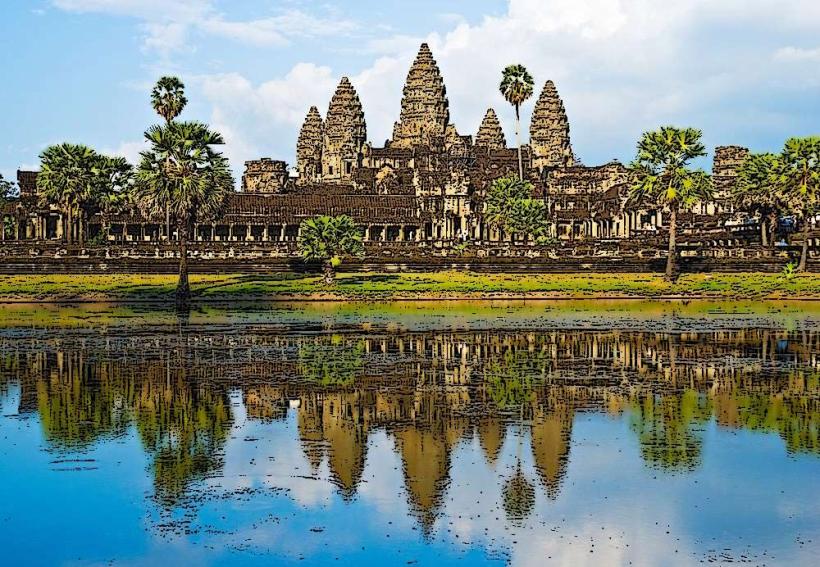
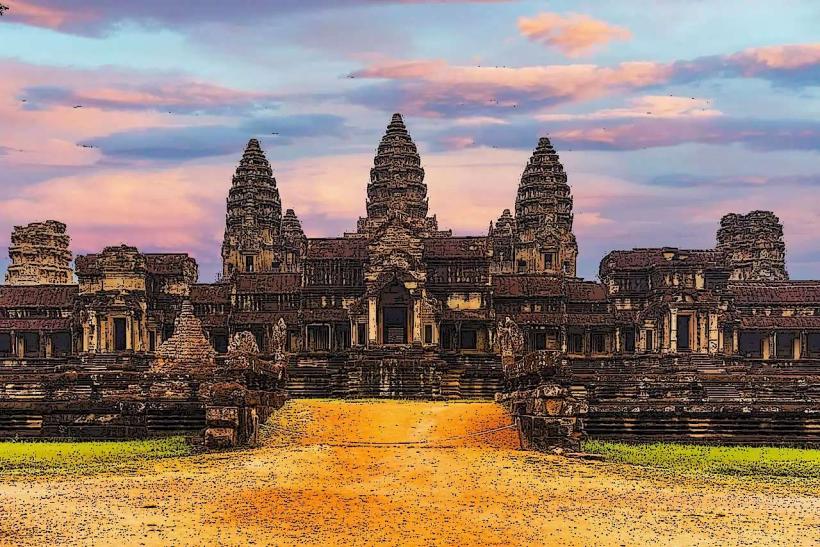
- Angkor Wat (7km Northeast)
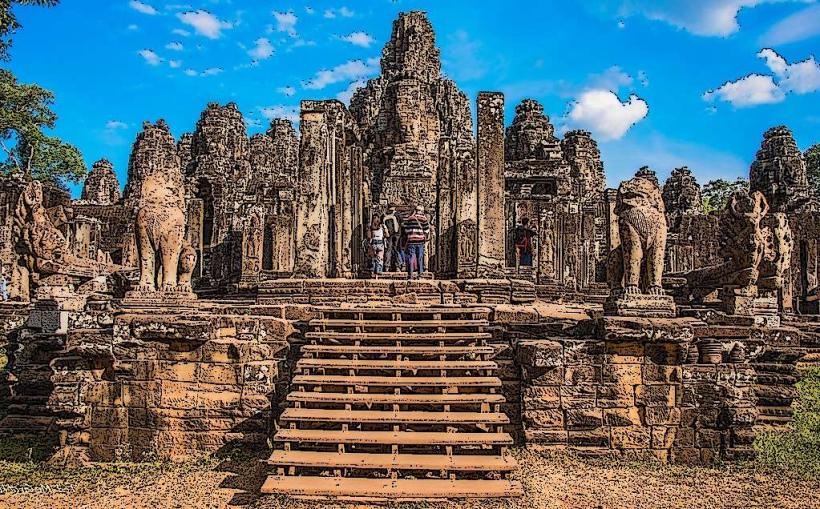
- Angkor Thom (10km Northeast)
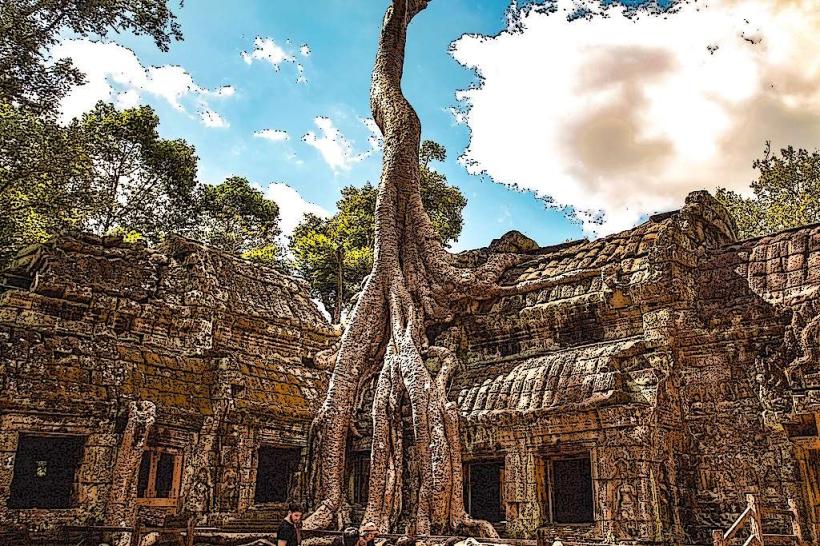
- Ta Prohm Temple (12km Northeast)
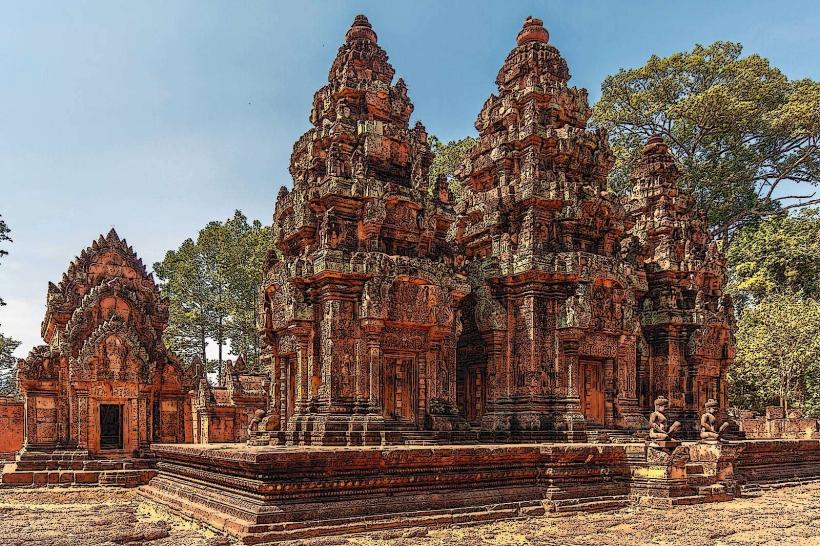
- Banteay Srei Temple (30km North)
- Kulen Mountain National Park (50km North)