Landmark: Antonine Baths
City: Carthage
Country: Tunisia
Continent: Africa
Antonine Baths, Carthage, Tunisia, Africa
The Antonine Baths are a large Roman bath complex located in the city of Carthage, Tunisia.
These extensive ruins represent one of the most significant Roman structures in North Africa.
Visual Characteristics
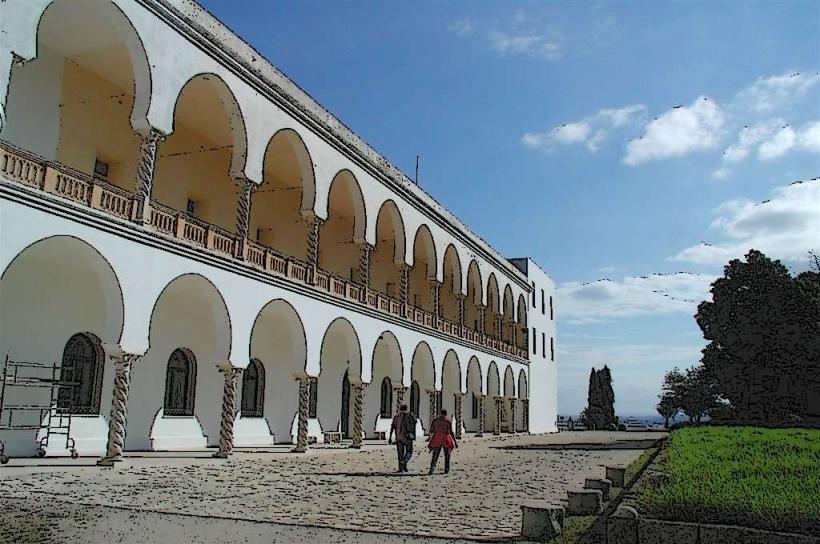
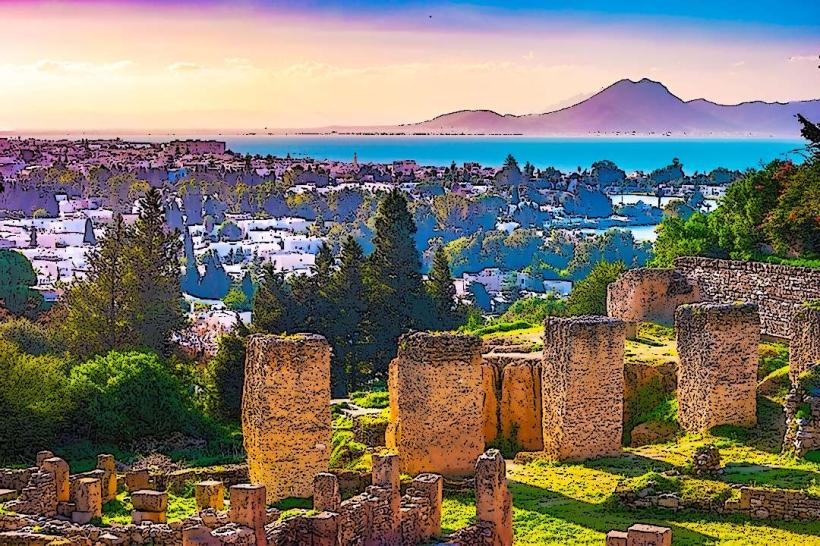
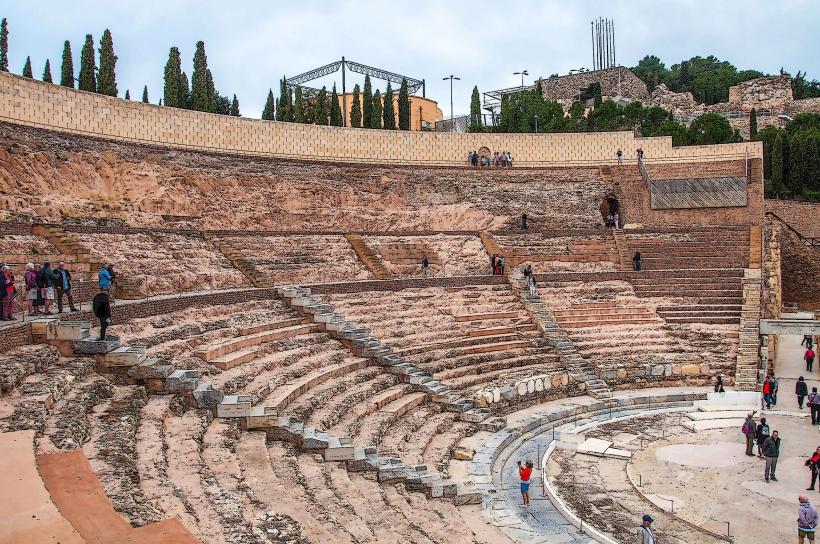
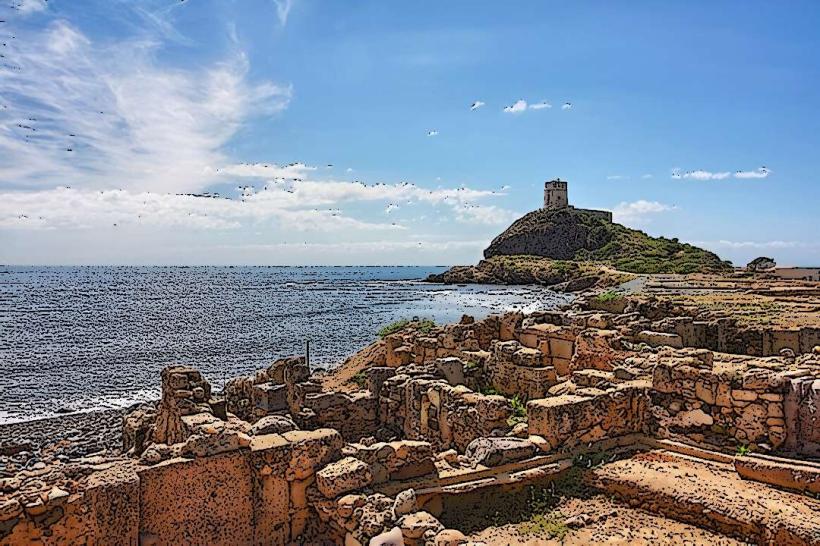
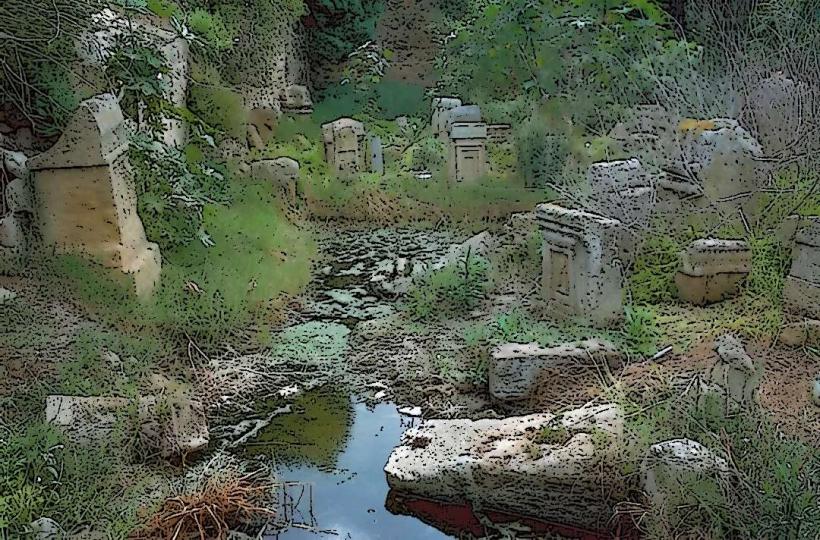
The remaining structures are primarily constructed from brick and stone, with evidence of marble cladding in some areas. The complex features large open courtyards, vaulted chambers, and remnants of mosaic flooring. The scale of the remaining walls indicates a multi-story construction, with significant portions of the foundation and lower walls still visible. The dominant colors are earth tones from the exposed brick and stone, contrasted with patches of weathered plaster.
Location & Access Logistics
The Antonine Baths are situated on the coast of Carthage, approximately 15 kilometers northeast of Tunis city center. Access is via the coastal road, Route de la Corniche. Parking is available at designated areas adjacent to the archaeological site. Public transport options include bus lines serving the Carthage area, with stops within walking distance of the ruins. The nearest train station is Carthage Hannibal, approximately 1km South.
Historical & Ecological Origin
Construction of the Antonine Baths began under Emperor Antoninus Pius in the mid-2nd century CE and was completed under his successor, Marcus Aurelius, around 162 CE. The complex served as a public bathing and social center for the Roman population of Carthage. Architecturally, it exemplifies Roman engineering and design principles for large public amenities, incorporating sophisticated heating and water systems.
Key Highlights & Activities
Visitors can explore the various sections of the bath complex, including the frigidarium (cold room), tepidarium (warm room), and caldarium (hot room). Observation of the surviving infrastructure, such as the hypocaust system (underfloor heating), is a primary activity. Walking the perimeter of the site provides an overview of the original layout and scale.
Infrastructure & Amenities
Restrooms are available at the visitor center near the entrance. Limited shaded areas are present within the ruins, primarily from overhanging walls. Cell phone signal (4G) is generally available. Food vendors are not located directly at the site but can be found in the nearby modern town of Carthage.
Best Time to Visit
For optimal lighting for photography, early morning or late afternoon is recommended. The months of April to June and September to October offer pleasant temperatures for outdoor exploration. High tide is not a relevant factor for visiting this land-based structure.
Facts & Legends
The Antonine Baths were one of the largest Roman bath complexes ever built, covering an area of approximately 25,000 square meters. It is estimated that the baths could accommodate thousands of bathers simultaneously. A specific architectural detail to note is the presence of large cisterns that supplied water to the complex.
Nearby Landmarks
- Carthage Acropolium (0.3km West)
- Roman Theatre of Carthage (0.8km Northwest)
- Punic Ports of Carthage (1.2km Southwest)
- Byrsa Hill (0.6km West)
- Carthage National Museum (0.7km West)