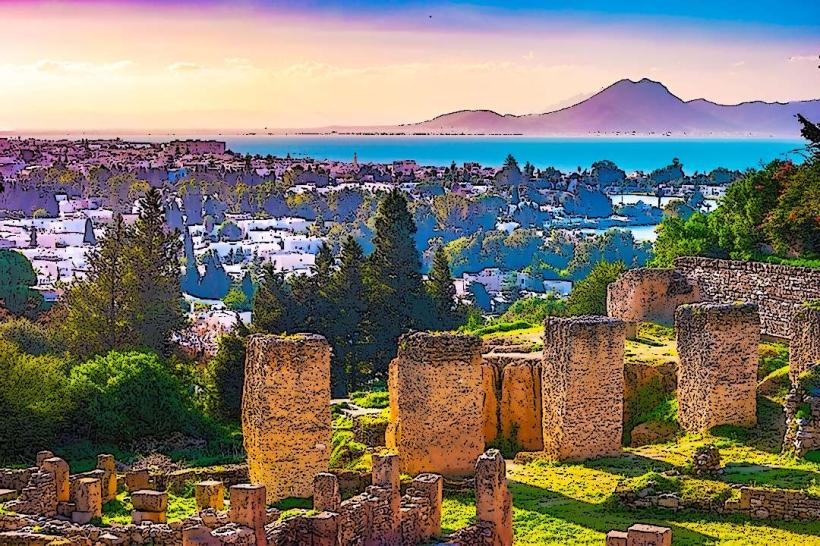
Landmark: Byrsa Hill
City: Carthage
Country: Tunisia
Continent: Africa
Byrsa Hill, Carthage, Tunisia, Africa
Byrsa Hill is a prominent elevation located in the ancient city of Carthage, Tunisia.
It is the historical and geographical heart of the Punic and Roman city.
Visual Characteristics
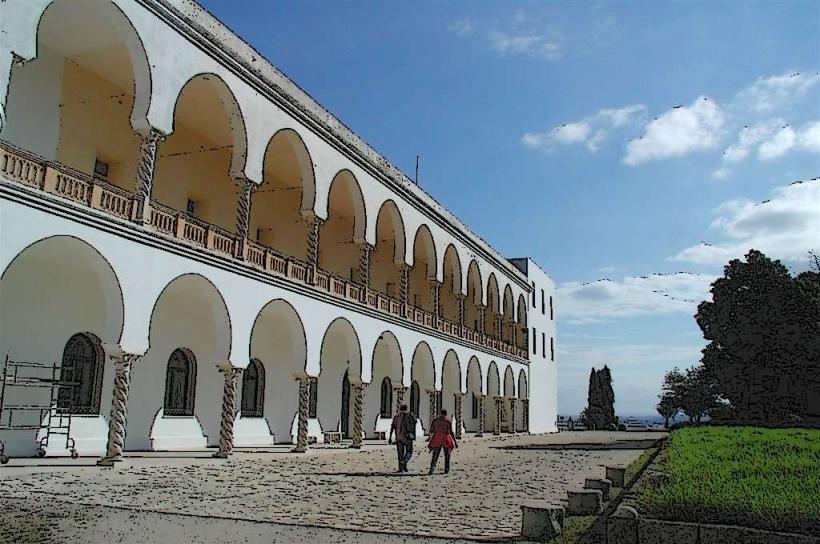
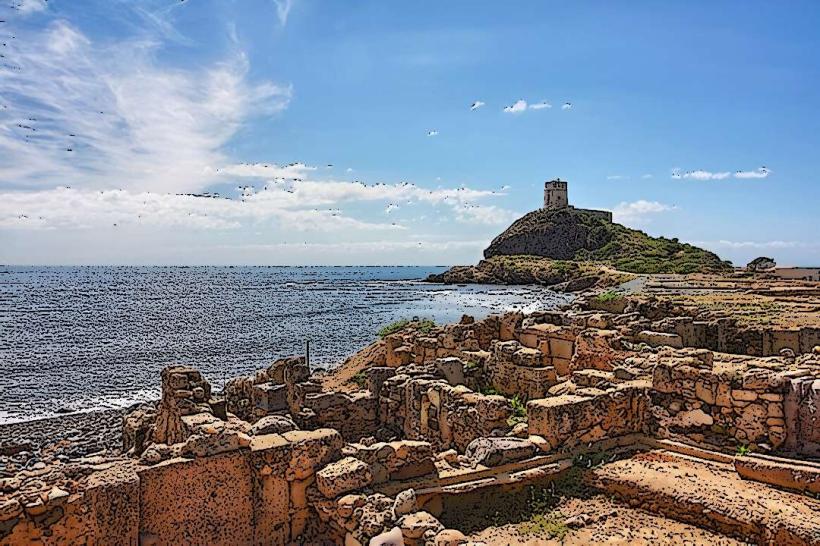
The hill is characterized by its elevated plateau, offering panoramic views of the surrounding landscape and the Mediterranean Sea. Archaeological excavations have revealed layers of ancient construction, including remnants of fortifications, residential areas, and public buildings. The current structures on the hill include the Carthage National Museum and the Roman Catholic Cathedral of Saint Louis.
Location & Access Logistics
Byrsa Hill is situated approximately 15 kilometers east of Tunis city center. Access is primarily via Avenue Habib Bourguiba in Carthage. Public transport options include the TGM (Tunis-Goulette-Marsa) suburban train, with a stop at Carthage Hannibal station, followed by a 10-minute walk. Limited street parking is available near the summit, but can be congested during peak tourist seasons.
Historical & Ecological Origin
Byrsa Hill is believed to have been the original acropolis of the Phoenician city of Carthage, founded in the 9th century BCE. It served as a defensive stronghold and the administrative center. The hill's geological formation consists of limestone bedrock, shaped by millennia of erosion and human modification through extensive construction and excavation.
Key Highlights & Activities
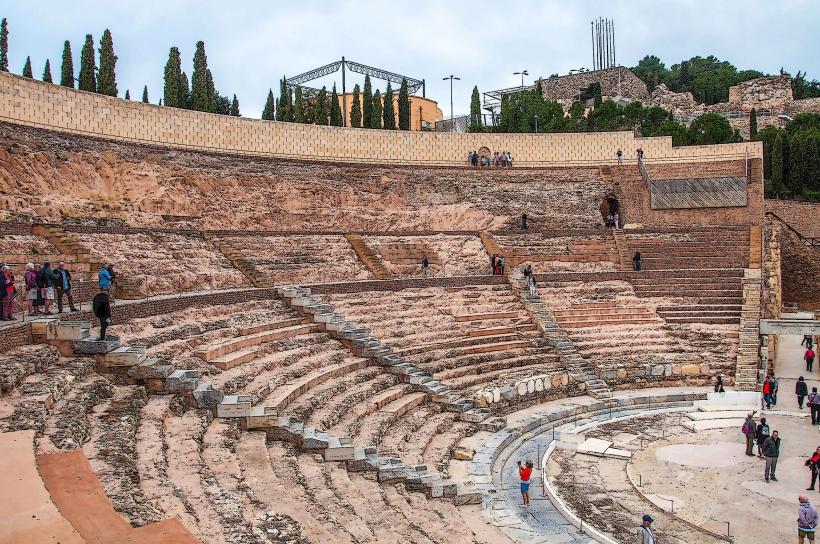
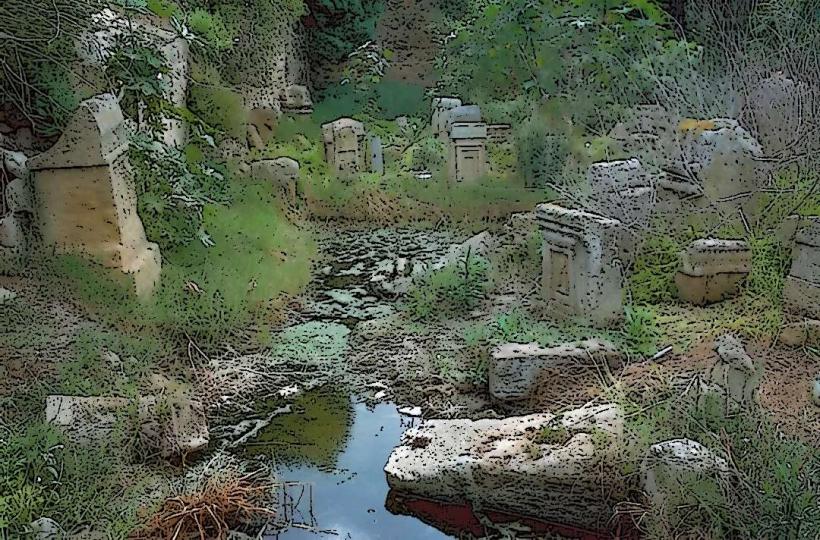
Visitors can explore the ruins of the Punic and Roman periods, including the remains of the Punic port and Roman villas. The Carthage National Museum, housed in a former French convent, displays artifacts from Carthage's history. The Cathedral of Saint Louis offers architectural interest and historical significance. Walking the perimeter of the hill provides views of the Gulf of Tunis.
Infrastructure & Amenities
Restrooms are available within the Carthage National Museum. Limited shaded areas are present around the museum and cathedral. Cell phone signal (4G/5G) is generally good on the hill. Food vendors and cafes are located at the base of the hill and in the nearby modern Carthage neighborhoods.
Best Time to Visit
The best time of day for photography is late morning or late afternoon to avoid harsh midday sun and capture optimal lighting on the ruins and sea views. The months of April to June and September to October offer pleasant weather, with average temperatures between 20-25 degrees Celsius. Avoid visiting during the hottest months of July and August.
Facts & Legends
According to legend, Queen Dido founded Carthage on Byrsa Hill after fleeing Tyre. She is said to have purchased as much land as could be covered by a single oxhide, which she then cut into thin strips to encircle the entire hill, thus claiming it as her own.
Nearby Landmarks
- Carthage Roman Amphitheatre (0.8km Southwest)
- Antonine Baths (1.2km West)
- Punic Ports (0.6km Southeast)
- Carthage National Museum (0.1km North)
- Saint Cyprian's Basilica (0.9km West)