Landmark: Punic Ports
City: Carthage
Country: Tunisia
Continent: Africa
Punic Ports, Carthage, Tunisia, Africa
The Punic Ports are ancient harbor complexes located in Carthage, Tunisia. They represent a significant archaeological site from the Carthaginian civilization.
Visual Characteristics
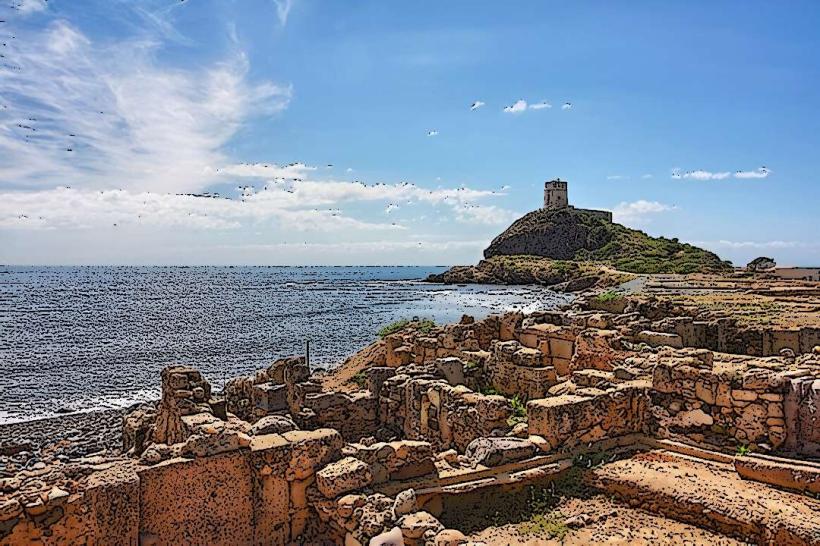
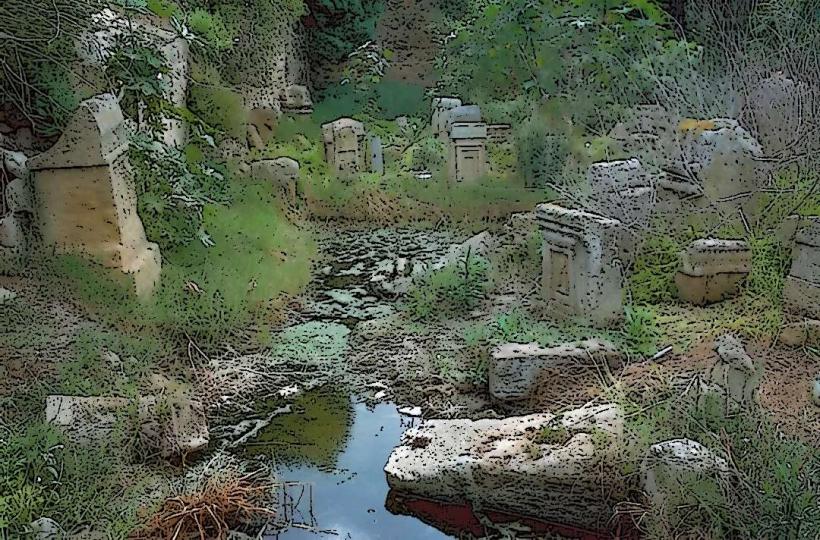
The site consists of two main basins: the rectangular commercial port and the circular military port. Remnants of stone quays and foundations are visible. The water within the basins is typically a muted blue-green, reflecting the surrounding earth tones of the ancient stonework.
Location & Access Logistics
The Punic Ports are situated approximately 15 kilometers east of Tunis city center. Access is via the coastal road, Route de la Corniche. Parking is available at designated areas near the Carthage National Museum. Public transport options include the TGM train line to the Carthage Hannibal station, followed by a 10-minute walk. Bus lines 3, 35, and 36 also serve the Carthage area.
Historical & Ecological Origin
These ports were constructed by the Carthaginians, likely beginning in the 4th century BCE. Their original purpose was to facilitate maritime trade and naval defense for the Carthaginian Empire. The circular military port was designed to house a fleet of warships, with a central island for ship repair and storage.
Key Highlights & Activities
Visitors can observe the layout of the ancient port basins. Archaeological remains of quays and defensive structures are present. Walking the perimeter of the basins provides a sense of the scale of the original construction. Interpretive signage details the historical significance.
Infrastructure & Amenities
Restrooms are available near the Carthage National Museum. Limited shade is provided by sparse vegetation. Cell phone signal (4G) is generally available. Food vendors are not present directly at the port site; options are available in the nearby Carthage town center.
Best Time to Visit
The best time for photography is in the late morning or late afternoon when the sun angle creates shadows that define the ancient structures. The months of April to June and September to October offer moderate temperatures. High tide does not significantly impact the visibility of the port remains.
Facts & Legends
A notable feature of the circular port was its ability to conceal the Carthaginian fleet from approaching enemies, with a single entrance that could be guarded. Legend suggests that the Romans, after conquering Carthage, filled in the ports to prevent its resurgence.
Nearby Landmarks
- Carthage National Museum (0.2km North)
- Antonine Baths (1.5km West)
- Carthage Amphitheatre (2.0km Northwest)
- Tophet of Carthage (0.8km East)
- Byrsa Hill (0.3km North)