Landmark: Tophet of Carthage
City: Carthage
Country: Tunisia
Continent: Africa
Tophet of Carthage, Carthage, Tunisia, Africa
The Tophet of Carthage is an ancient burial ground and sanctuary located in the modern city of Carthage, Tunisia.
This site contains numerous stelae and urns, primarily dating from the 5th to the 2nd century BCE.
Visual Characteristics
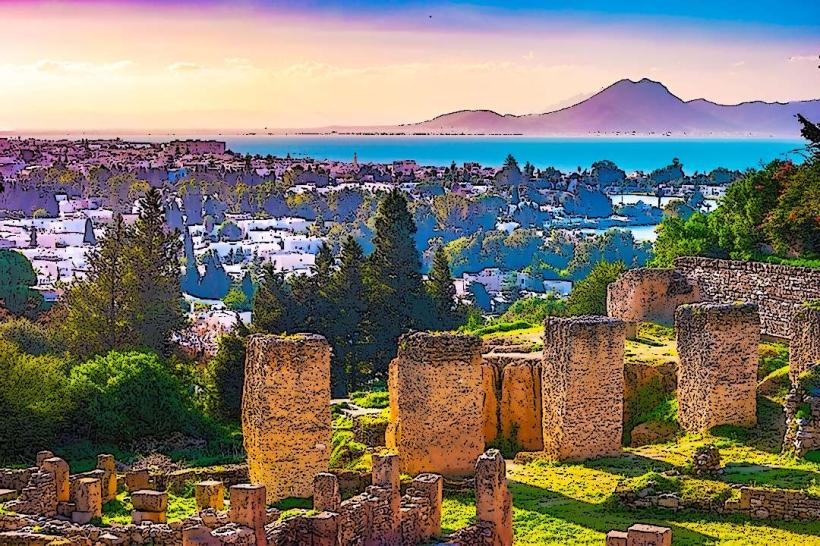
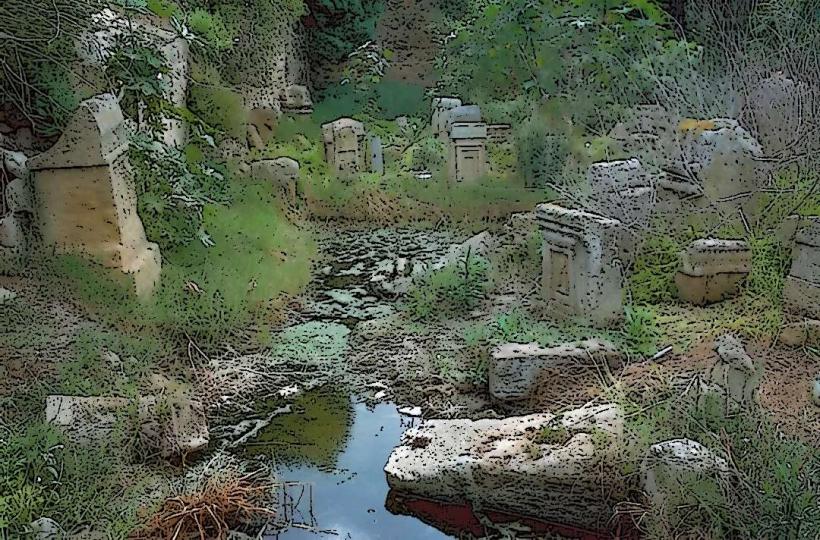
The site consists of an open field containing numerous stone stelae, many of which are broken or eroded. These stelae vary in size and shape, often featuring carved symbols such as the Tanit symbol (a triangle with a horizontal line and a circle above it) or representations of deities. The ground is largely unpaved, with archaeological remains visible at ground level. Urns containing cremated remains are also present.
Location & Access Logistics
The Tophet is situated in the northern part of Carthage, approximately 15 kilometers northeast of Tunis city center. Access is via Avenue Habib Bourguiba, turning onto Rue du Sanctuaire Punique. Limited street parking is available in the vicinity. Public transport options include the TGM (Tunis-Goulette-Marsa) suburban train, with the Carthage Hannibal station being the closest stop, approximately 500 meters west of the site.
Historical & Ecological Origin
The Tophet served as a sanctuary and burial ground for the Phoenician and Punic inhabitants of Carthage. It is believed to be the site where children, often the firstborn, were sacrificed to deities like Baal Hammon and Tanit, and their remains were interred in urns. The practice is documented from the 5th century BCE until the Roman destruction of Carthage in 146 BCE. Geologically, the site is situated on a coastal plain.
Key Highlights & Activities
Examination of the various stelae and their inscriptions. Observation of the layout of the burial urns. Understanding the historical context of Punic religious practices. Limited on-site interpretation is available.
Infrastructure & Amenities
There are no dedicated restrooms or food vendors directly at the Tophet site. Shade is minimal, provided only by sparse vegetation. Cell phone signal (4G/5G) is generally available in the area.
Best Time to Visit
The best time for photography is in the morning or late afternoon when the sun angle provides more defined shadows on the stelae. The months of April to June and September to October offer pleasant temperatures for outdoor exploration, avoiding the peak summer heat.
Facts & Legends
A persistent debate among archaeologists concerns the exact nature of the burials; while many believe it was a place of child sacrifice, others suggest it was a cemetery for infants who died naturally. The presence of numerous urns containing the remains of very young children is a defining characteristic of the site.
Nearby Landmarks
- Carthage National Museum (0.8km Southwest)
- Antonine Baths (1.2km West)
- Carthage Amphitheatre (1.5km Southwest)
- Punic Ports (1.8km West)
- Byrsa Hill (1.9km Southwest)