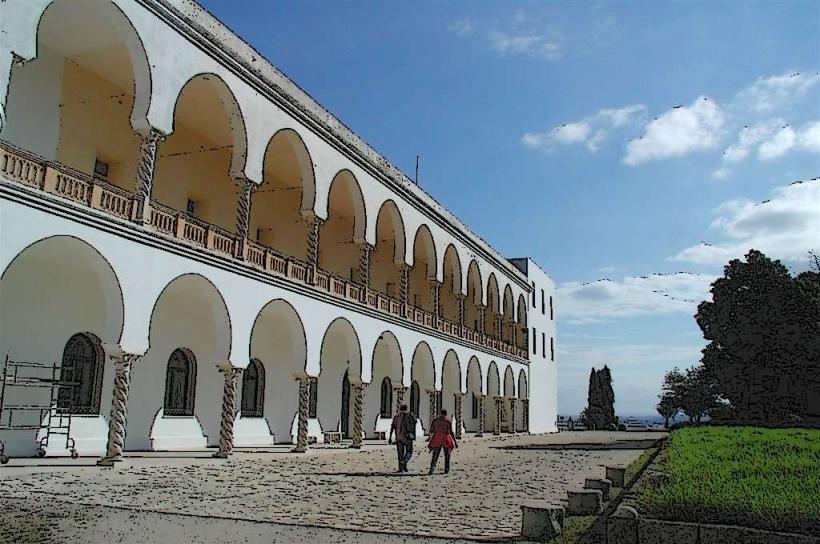
Landmark: Carthage National Museum
City: Carthage
Country: Tunisia
Continent: Africa
Carthage National Museum, Carthage, Tunisia, Africa
The Carthage National Museum is situated in the city of Carthage, Tunisia. It houses artifacts from the ancient Punic and Roman periods of the region.
Visual Characteristics
The museum is housed within the former Palais de Justice, a French colonial-era building constructed from local limestone. Its architecture features classical influences with arched windows and a prominent central dome. The interior exhibits are displayed in a series of interconnected rooms and galleries.
Location & Access Logistics
The museum is located on Byrsa Hill in Carthage, approximately 15 kilometers northeast of Tunis city center. Access is via the A1 motorway, exiting towards La Marsa, then following signs for Carthage. Parking is available in designated lots near the museum entrance. Public transport options include the TGM train line from Tunis to Carthage Hannibal station, followed by a 15-minute walk uphill. Bus lines 3, 35, and 36 from Tunis also serve the Carthage area, with stops a short distance from the museum.
Historical & Ecological Origin
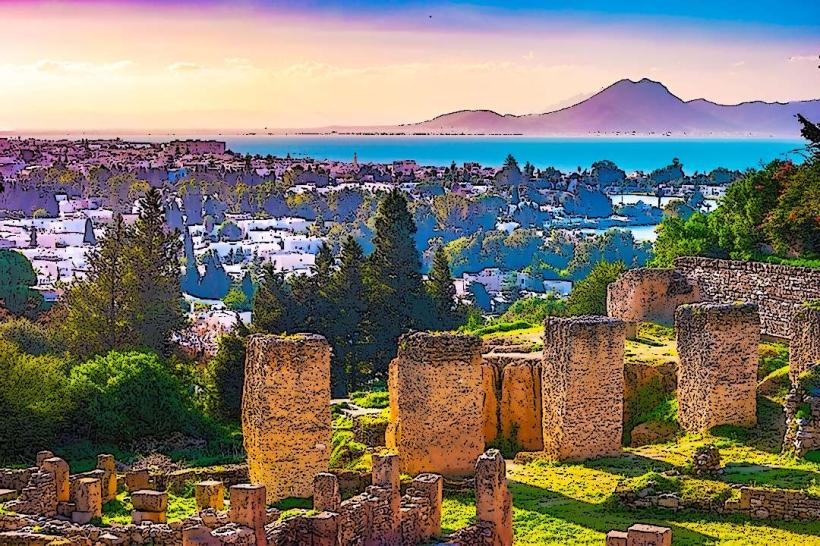
The building that houses the museum was constructed between 1922 and 1925, serving as the Palace of Justice during the French Protectorate. Its purpose was to administer legal affairs for the colonial administration. The site of Carthage itself has a history dating back to the 9th century BCE, founded by Phoenicians.
Key Highlights & Activities
Visitors can view Punic sarcophagi, Roman mosaics, and artifacts recovered from archaeological excavations in Carthage. Specific exhibits include the Phoenician necropolis findings and Roman domestic items. Guided tours are available upon request and are subject to guide availability.
Infrastructure & Amenities
Restrooms are available on-site. Limited shaded areas are present in the museum courtyards. Cell phone signal (4G/5G) is generally reliable within the museum. Food vendors and cafes are not located within the museum but are available in the surrounding Carthage area.
Best Time to Visit
The best time of day for photography within the museum is generally mid-morning or late afternoon when natural light enters through the windows. The most favorable months for visiting Carthage, considering weather, are April to June and September to October, avoiding the peak summer heat. No specific tide requirements are applicable.
Facts & Legends
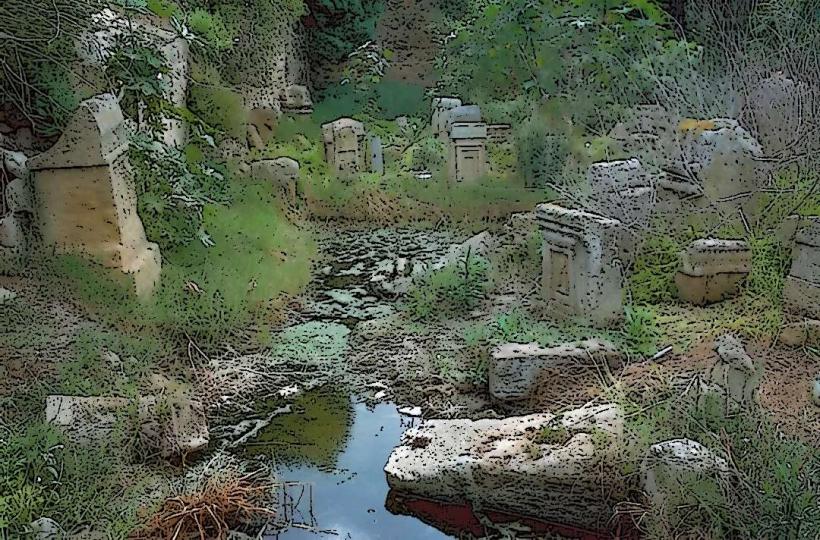
A notable artifact is the "Carthage Mosaic," a large Roman floor mosaic depicting scenes of daily life and mythological figures, which is a centerpiece of the museum's Roman collection. The museum also holds a significant collection of stelae from the Punic Tophet, a sanctuary dedicated to child sacrifice, though the extent and nature of these sacrifices remain a subject of historical debate.
Nearby Landmarks
- Antonine Baths (0.3km West)
- Punic Ports (0.5km South)
- Roman Villas (0.7km Southwest)
- St. Louis Cathedral (0.2km North)
- Carthage Acropol (0.4km Northwest)