Landmark: Caesarea National Park
City: Caesarea
Country: Israel
Continent: Asia
Caesarea National Park, Caesarea, Israel, Asia
Caesarea National Park is a premier archaeological site on the Mediterranean coast, preserving the ruins of an ancient port city built by Herod the Great. It showcases over 2,000 years of history, spanning the Roman, Byzantine, and Crusader periods.
Visual Characteristics
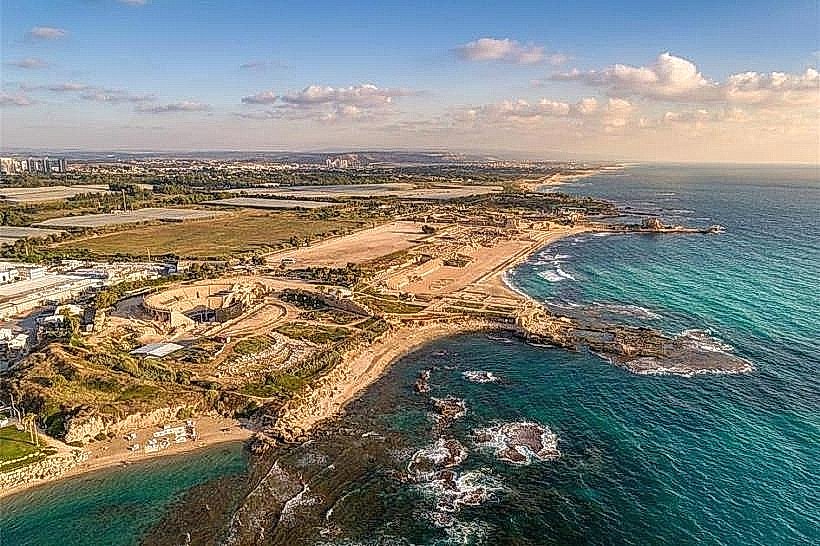
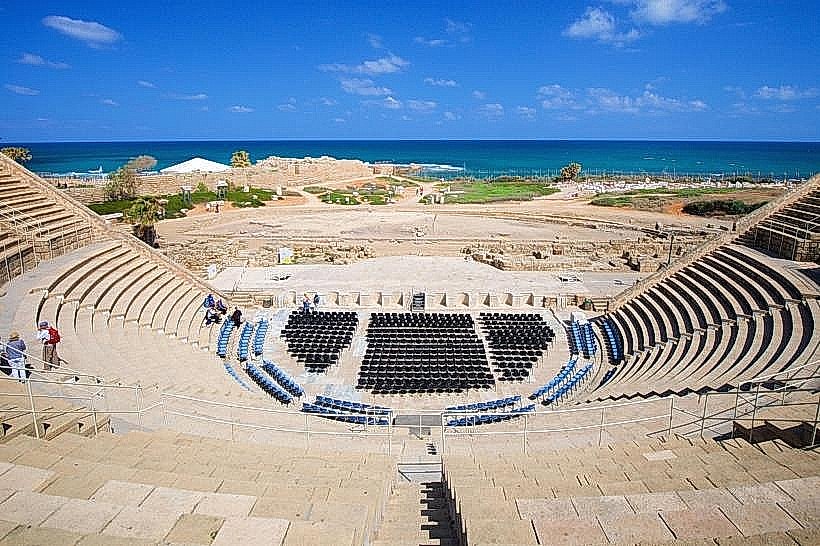
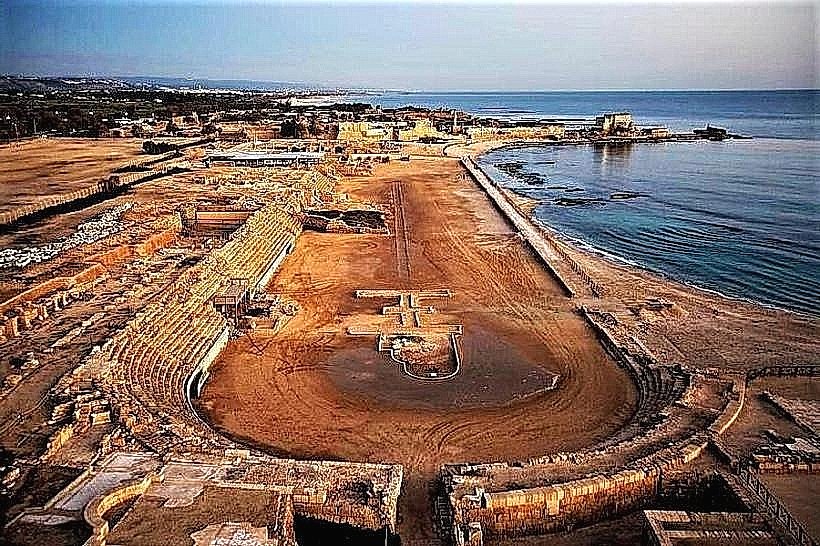
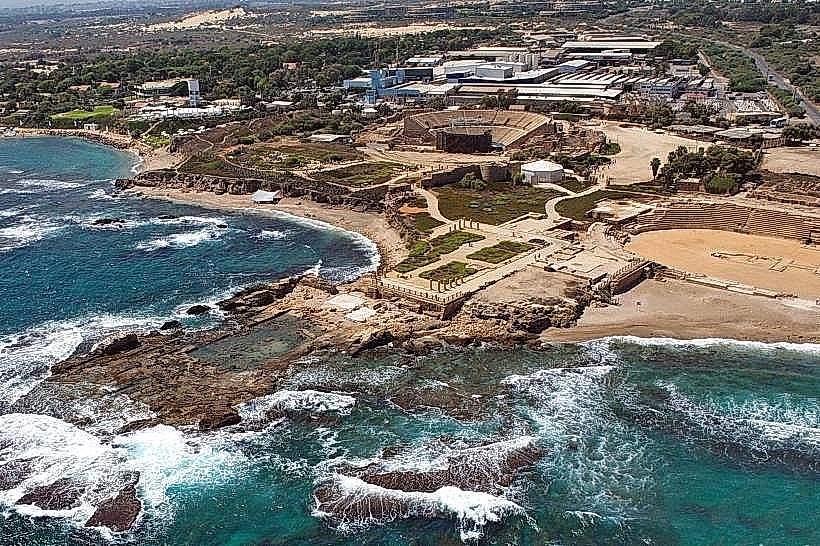
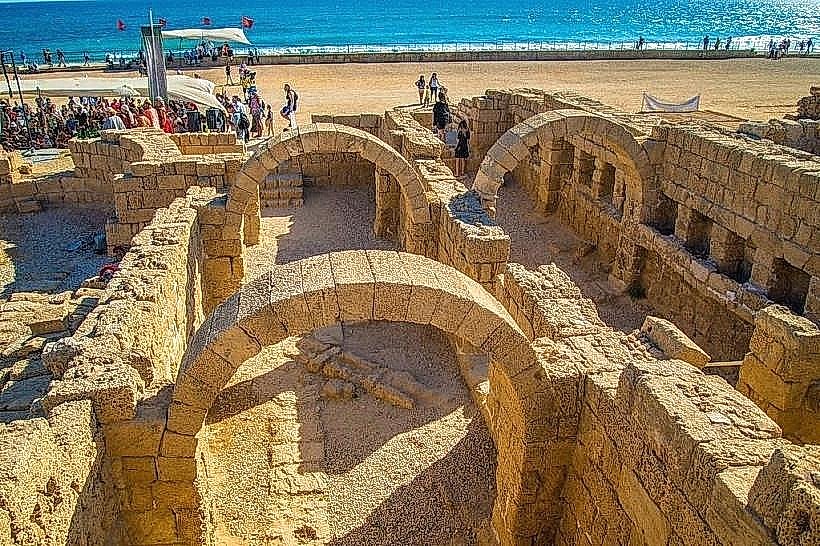
The park is characterized by its white limestone and local sandstone ruins set against the turquoise Mediterranean. Key structures include a perfectly restored Roman theater, a seaside Hippodrome for chariot racing, and the massive stone walls and moats of a Crusader-era fortress. The coastline is marked by the remains of the ancient harbor, where stone foundations and partially submerged jetties are visible along the waterfront.
Location & Access Logistics
The park is located approximately 50km north of Tel Aviv and 40km south of Haifa. It is easily accessible from Highway 2 (the Coastal Highway) via the Caesarea interchange. For public transit, visitors can take a train to the Caesarea-Pardes Hanna station followed by a taxi or local bus, or use bus lines from the nearby towns of Hadera or Or Akiva. Large paved parking lots are available at the main entrance and the harbor gate.
Historical & Ecological Origin
Built between 22 and 10 BCE, Caesarea Maritima was dedicated to Augustus Caesar. Herod the Great utilized innovative underwater construction techniques to build the harbor, which was the largest artificial port in the Roman Empire at the time. The city later served as the Roman provincial capital. Geologically, the site sits on a kurkar (sandstone) ridge, which provided the primary building material for the city’s early infrastructure.
Key Highlights & Activities
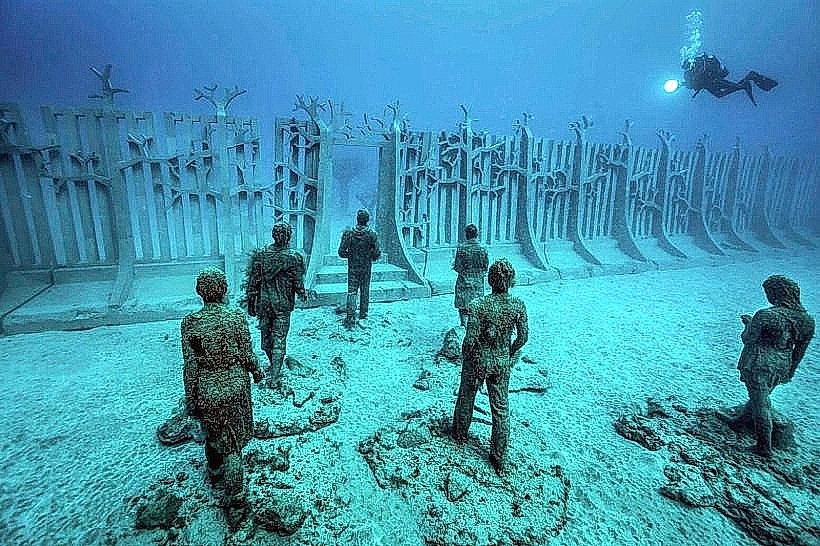
Visitors can walk through the Promontory Palace ruins, which feature a rock-cut pool extending into the sea. The 4,000-seat Roman theater is a major draw and remains a venue for live performances. The "Time Tower" and multimedia centers offer digital reconstructions of the city's history. Additional activities include visiting the harbor’s commercial area for dining and exploring the nearby Underwater Archaeological Park via diving or snorkeling.
Infrastructure & Amenities
The park features a well-developed visitor center, gift shops, and clean public restrooms. The renovated harbor area contains several high-end restaurants, cafes, and art galleries. Most of the park is wheelchair accessible via paved pathways, though the original stone stairs in the theater and fortress areas may be challenging. 5G cellular signal is strong throughout the open-air complex.
Best Time to Visit
The park is most atmospheric during the late afternoon (16:00–18:00) when the sun sets over the Mediterranean, providing ideal light for photography. Winter and spring are the most comfortable seasons for walking the extensive grounds, as the site is highly exposed with limited shade. Concerts are frequently held in the theater during summer evenings.
Facts & Legends
Caesarea is the site where the "Pilate Stone" was found-the only archaeological artifact confirming the existence of Pontius Pilate. A local legend describes a massive hidden treasure buried by the Crusaders before the city fell to the Mamluks, though no such hoard has ever been found. The harbor's original breakwater was a marvel of the ancient world, using volcanic ash imported from Italy to create concrete that hardened underwater.
Nearby Landmarks
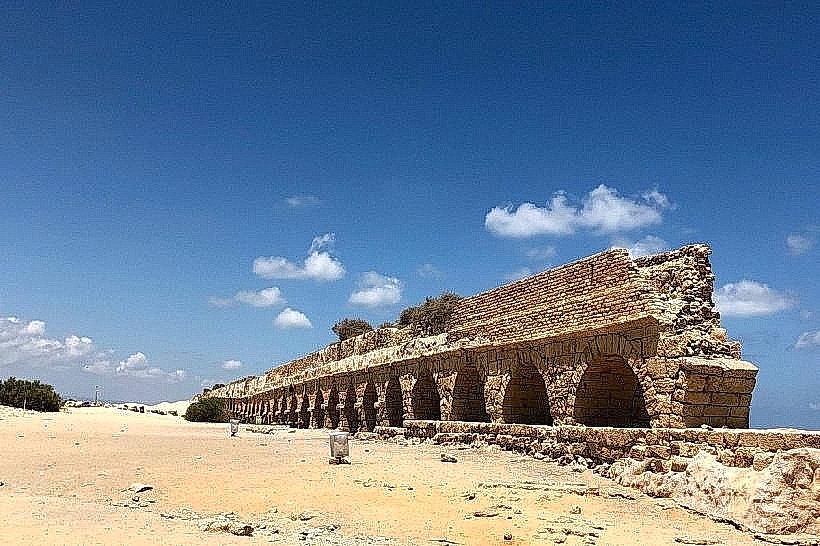
Caesarea Aqueduct: 2.5km North
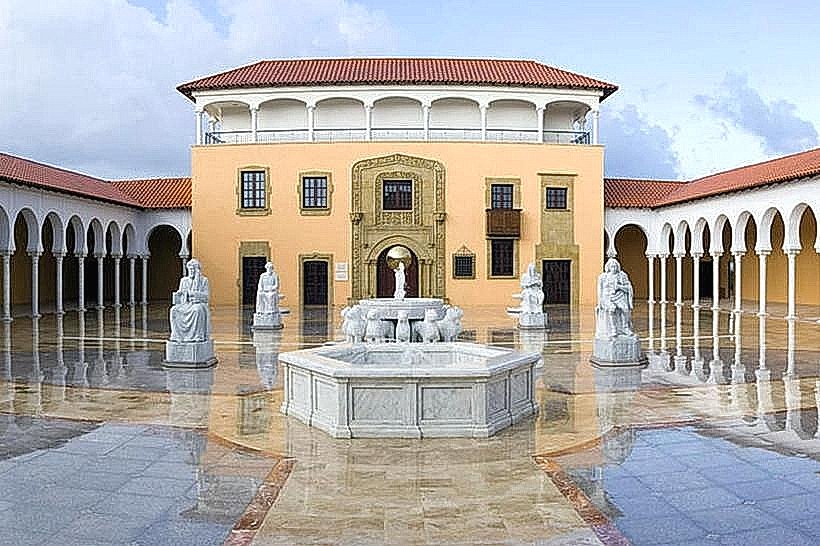
Ralli Museum: 2.0km East
Birds Mosaic Mansion: 3.0km Northeast
Caesarea Golf Club: 3.5km East
Sedot Yam Harbor: 1.5km South