Landmark: Hippodrome
City: Caesarea
Country: Israel
Continent: Asia
Hippodrome, Caesarea, Israel, Asia
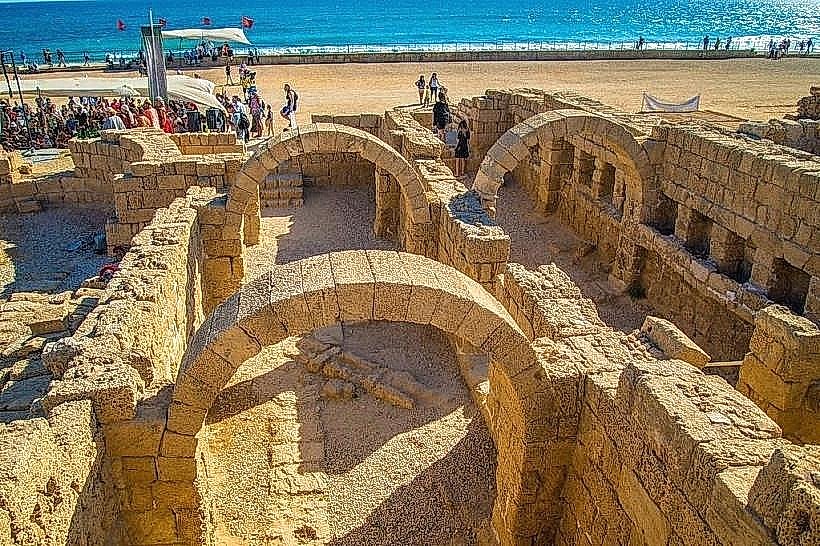
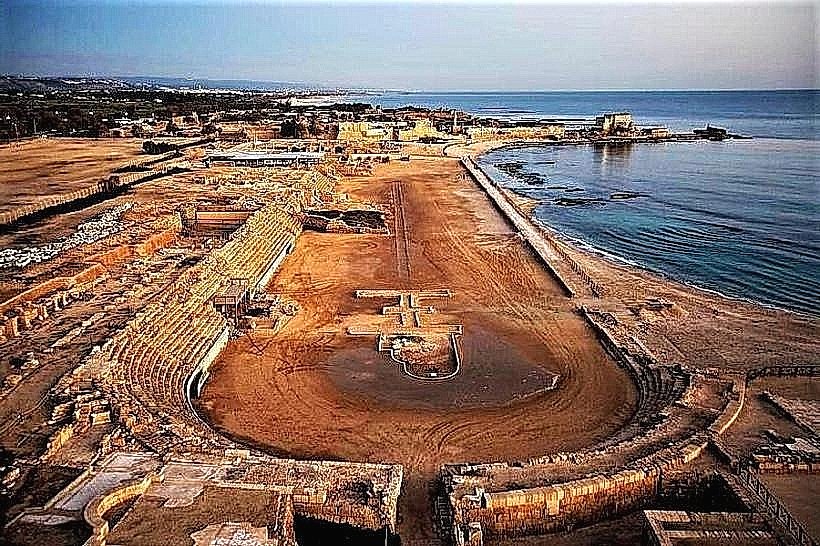
The Hippodrome in Caesarea is a 2,000-year-old Roman arena situated within Caesarea National Park. Built by Herod the Great around 10 BCE, it served as the city's primary stadium for high-speed chariot races and athletic competitions.
Visual Characteristics
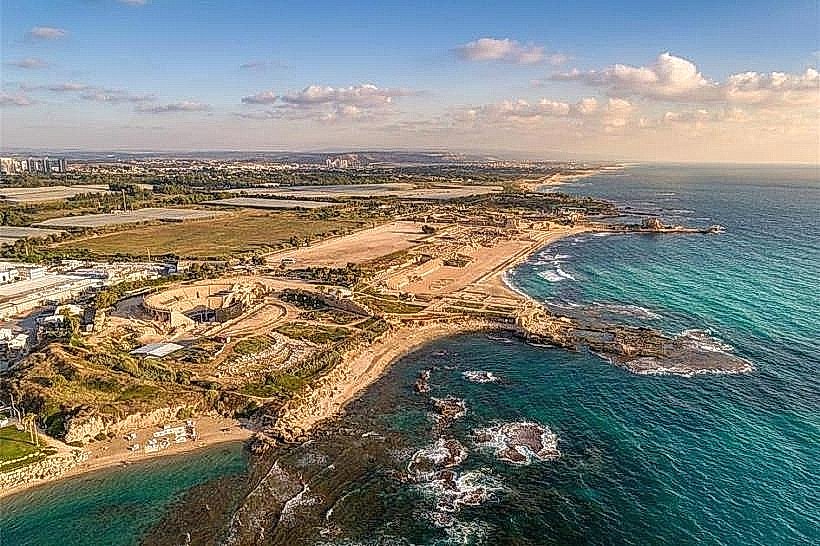
The structure is an elongated, U-shaped arena stretching approximately 250 meters along the Mediterranean shoreline. It features tiered stone seating on three sides that originally accommodated up to 10,000 spectators. The central racing track is a broad sandy expanse, and the western side of the stadium sits directly adjacent to the sea, offering a backdrop of crashing waves. At the northern end, the ruins of the starting gates (carceres) are still visible.
Location & Access Logistics
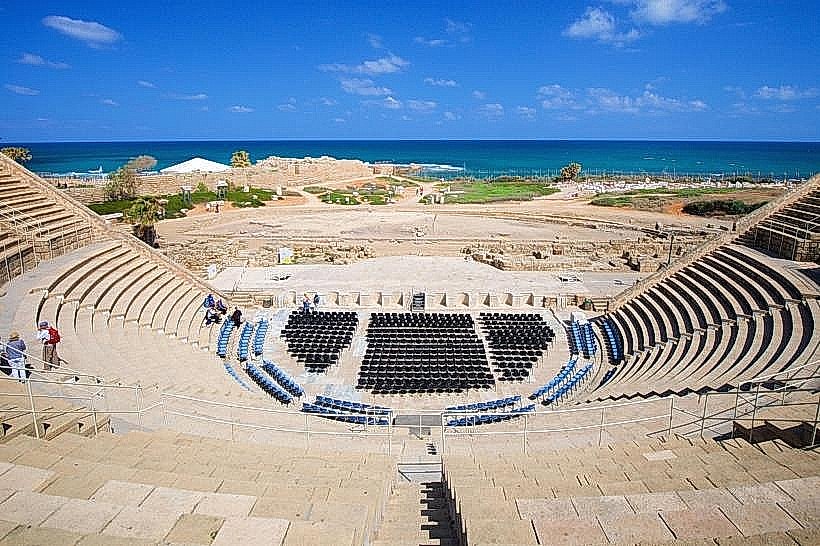
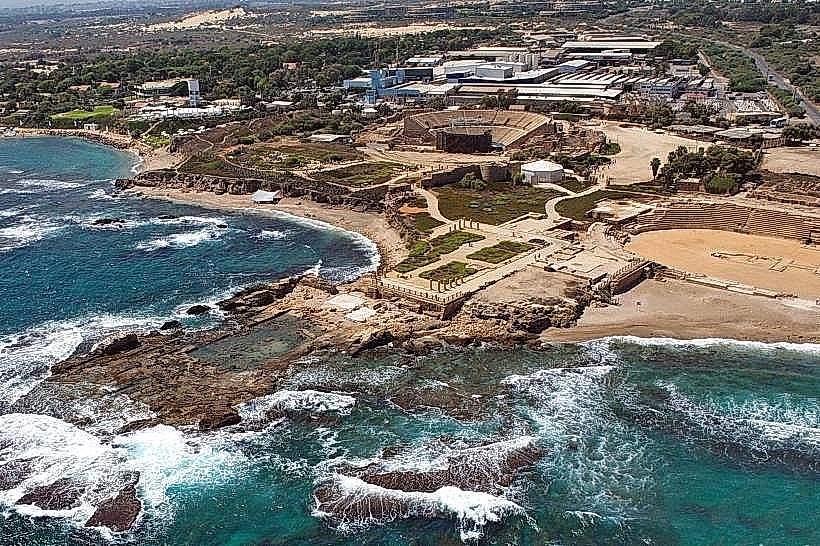
The Hippodrome is positioned centrally in the park, between the Roman Theater to the south and the Crusader City to the north. Visitors access it via the main park gates. It is a 5-minute walk from the harbor area and a 10-minute walk from the southern entrance. A flat, crushed-stone path connects the major landmarks and runs parallel to the racing track, making it accessible for wheelchairs and strollers.
Historical & Ecological Origin
King Herod commissioned the stadium to host games dedicated to Caesar Augustus. It was designed for "hippika" (equestrian events) and "gymnika" (athletic contests). In the late 2nd century CE, the southern section was modified into a smaller amphitheater to host gladiator combat and wild animal hunts. Geologically, the site sits on a kurkar (sandstone) ridge; the stadium was built with a slight western tilt to ensure natural drainage into the sea during winter rains.
Key Highlights & Activities
Visitors can walk the full length of the arena where horse-drawn chariots once competed. A replica of an Egyptian obelisk stands in the center of the track, marking where the spina (the central divider) once stood. Some sections of the stone benches have been reconstructed, allowing guests to view the arena from the spectators' perspective. Occasionally, the park hosts historical reenactments and equestrian shows.
Infrastructure & Amenities
The area is entirely open-air with no shade, so sun protection is necessary. The nearby harbor area provides public restrooms, drinking fountains, and a variety of cafes and restaurants. 5G cellular signal is strong throughout the stadium. Visitors can also view the "Time Tower" multimedia presentation nearby, which provides a digital reconstruction of how the Hippodrome appeared in its prime.
Best Time to Visit
Late afternoon is the optimal time for a visit, as the sun sets over the Mediterranean and illuminates the eastern stone seating. The park is open daily from 08:00 to 16:00 (closing at 15:00 on Fridays). During the summer, visiting in the early morning or late afternoon is recommended to avoid the intense coastal heat and humidity.
Facts & Legends
The historian Josephus Flavius referred to this structure as an "amphitheatre," a term that caused confusion for early archaeologists until excavations revealed its U-shape and length. A verified historical detail is that the northern starting gates were angled so that every chariot had an equal distance to travel to the first turn, preventing any single racer from having an unfair advantage.
Nearby Landmarks
Promontory Palace: 0.2km West
Roman Theater: 0.5km South
Crusader City & Harbor: 0.4km North
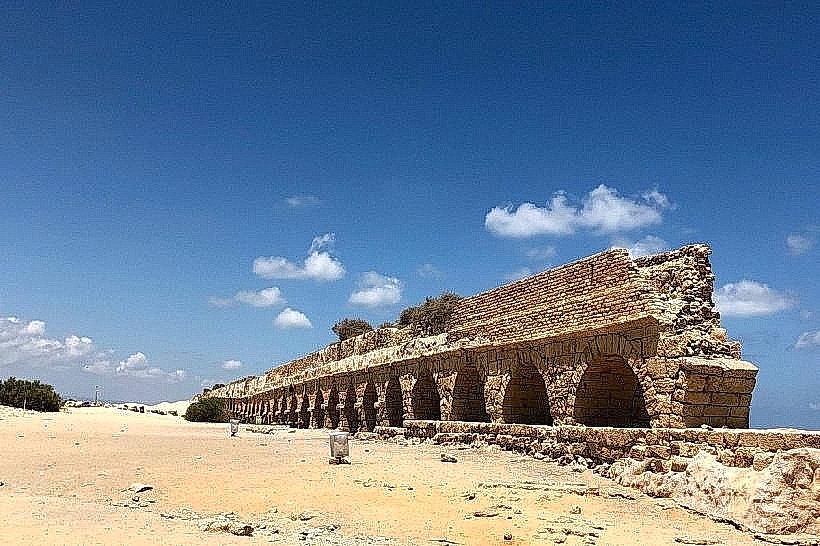
Caesarea Aqueduct: 2.6km North
Ralli Museum: 2.1km East