Landmark: Underwater Archaeological Park
City: Caesarea
Country: Israel
Continent: Asia
Underwater Archaeological Park, Caesarea, Israel, Asia
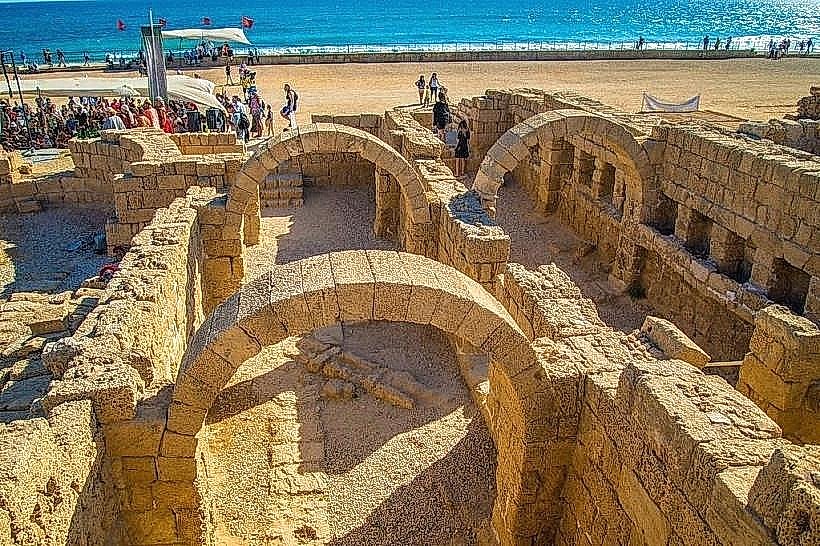
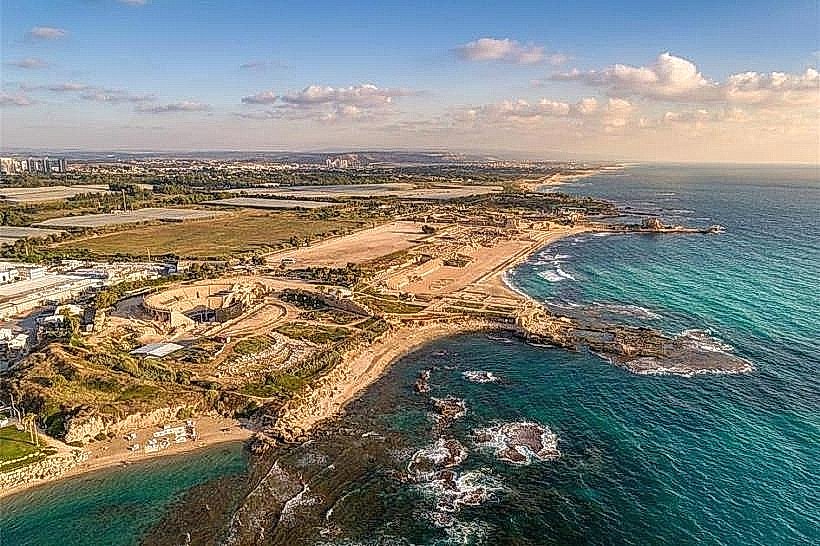
The Underwater Archaeological Park is a submerged maritime site located within the ruins of the ancient Herodian harbor of Sebastos. It is the first underwater park in the world to feature guided archaeological trails for divers and snorkelers to explore 2,000-year-old Roman engineering.
Visual Characteristics
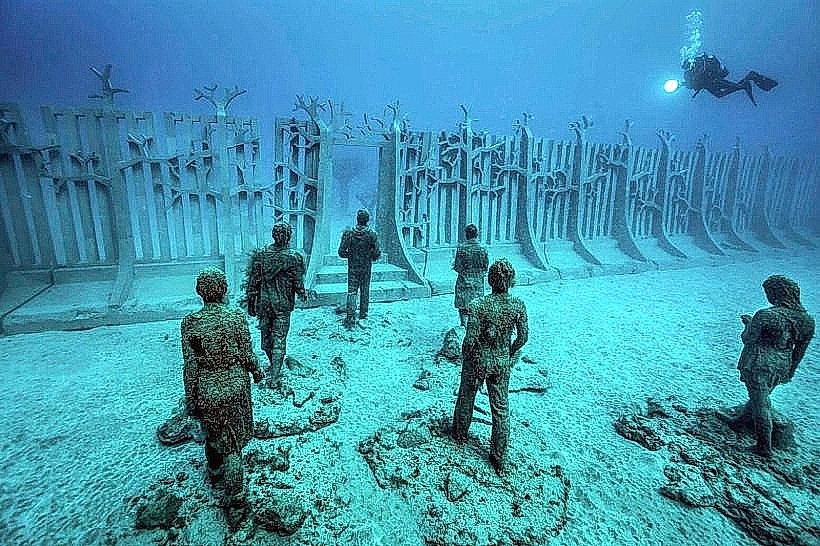
The park consists of a submerged landscape where massive granite and marble columns, sunken breakwaters, and ancient stone anchors lie on the sandy seabed. The clear Mediterranean waters reveal the innovative hydraulic concrete blocks used by Herod the Great's engineers. The ruins have become an artificial reef, now colonized by Mediterranean fish, octopuses, and colorful sponges.
Location & Access Logistics
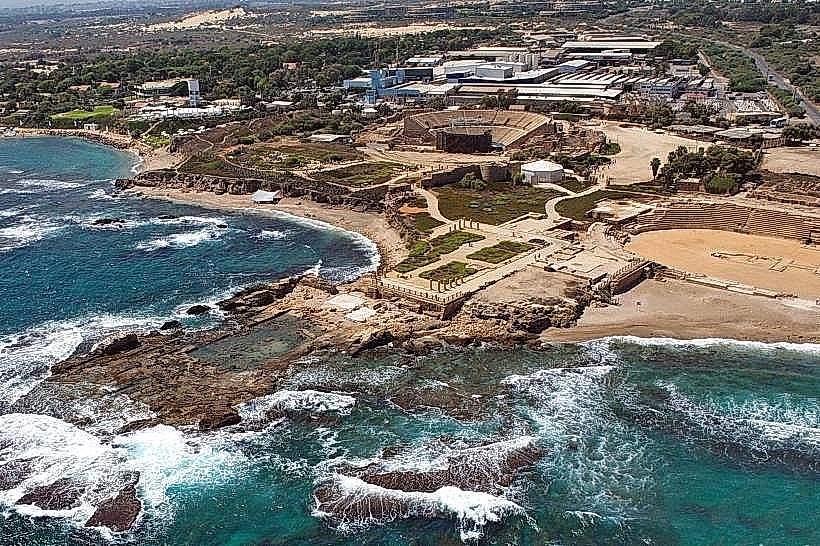
The park is situated directly off the coast of the Caesarea-national-park_caesarea" class="underline">Caesarea National Park harbor. Primary access is through the Old Caesarea Diving Center located within the ancient port. It is a 10-minute walk from the main park entrance. Entry to the water is via the original Roman quays, with underwater trails beginning just meters from the shore. Paved parking is available at the National Park’s harbor entrance.
Historical & Ecological Origin
Commissioned between 22 and 10 BCE, the harbor was the largest artificial port in the Roman Empire. Geological subsidence and seismic activity eventually caused the structures to sink beneath the sea. Rediscovered in 1960, the site was opened as an underwater park in 1992. The seafloor is ecologically active, with shifting sands frequently burying or revealing new archaeological artifacts after winter storms.
Key Highlights & Activities
Four Submerged Trails: Ropes and numbered plaques guide visitors through 28 points of interest, including the ruins of the harbor entrance and the foundation of the ancient lighthouse.
Snorkeling (Track A): A shallow trail (maximum 4 meters depth) featuring massive marble columns and clear views of the inner harbor basin.
Scuba Diving (Track B): A deeper route (maximum 9 meters depth) that explores the base of the main breakwater and various ancient anchor types.
Introductory Dives: The diving center provides supervised "discovery" dives for non-certified visitors to view the ruins.
Marine Life: Frequent sightings of groupers, rays, and sea bream living among the Roman masonry.
Infrastructure & Amenities
The diving center provides full gear rental, guided tours, and hot showers. Waterproof maps of the archaeological trails are provided for self-guided dives. Public restrooms and a wide selection of restaurants are available within the adjacent Crusader harbor of the National Park. 5G cellular signal is excellent at the water's surface but completely obstructed once submerged.
Best Time to Visit
The park is open year-round, with the best visibility occurring in spring and autumn when the Mediterranean is calmest. The diving center typically operates Sunday through Thursday from 09:00 to 16:00, with extended hours on weekends. Winter diving is highly dependent on sea conditions and wave height; it is recommended to check the maritime forecast before traveling.
Facts & Legends
A verified historical fact is that Herod’s engineers used "pozzolana," a volcanic ash imported from Mount Vesuvius in Italy, to create the first concrete capable of hardening underwater. Local maritime legend claims that a massive gold-plated statue of Augustus Caesar once stood at the harbor entrance to guide ships; while the statue has never been found, massive stone pedestals remain on the seabed.
Nearby Landmarks
Crusader City & Harbor: 0.1km East
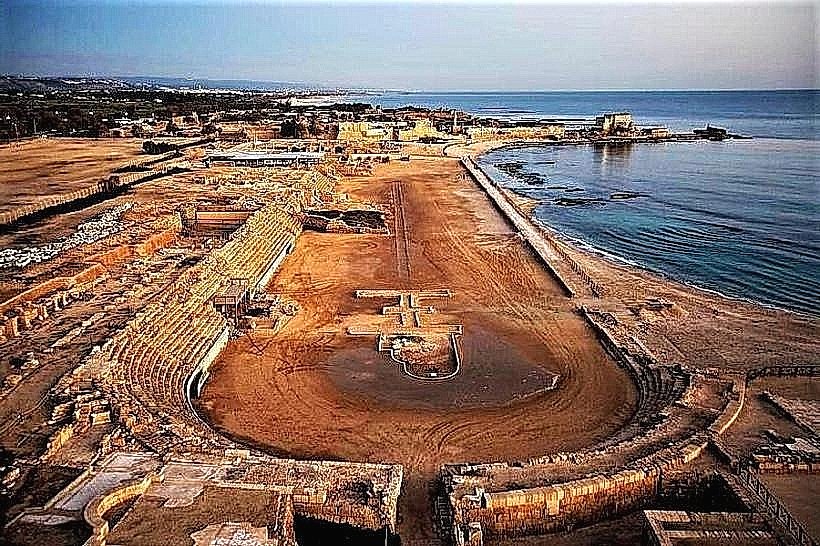
Roman Hippodrome: 0.3km South
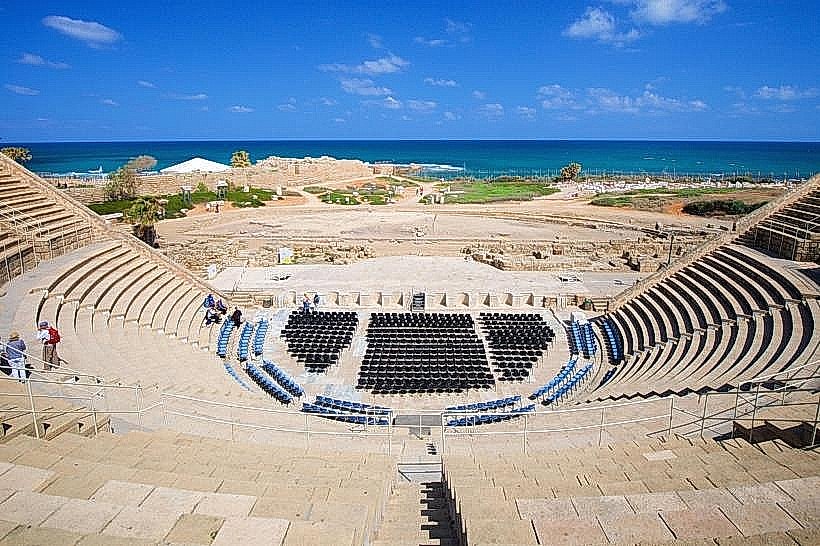
Roman Theater: 0.6km South
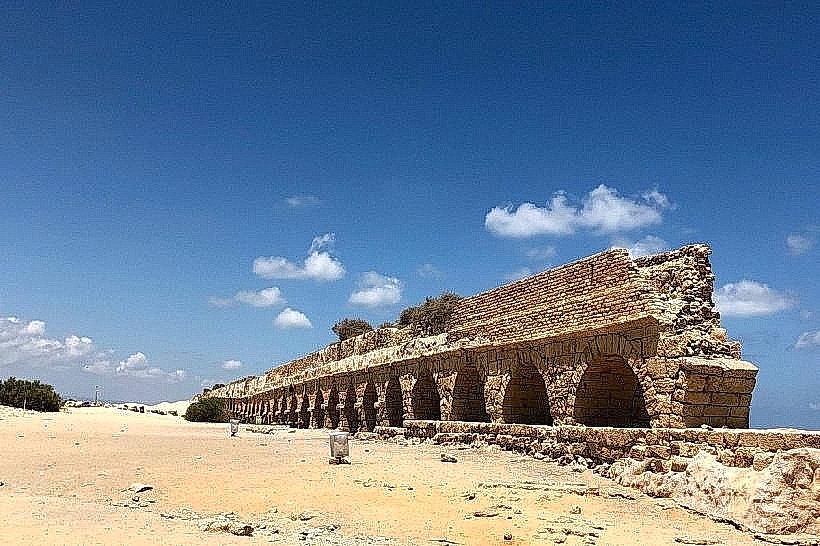
Caesarea Aqueduct: 2.6km North
Ralli Museum: 2.1km East