Landmark: Herodian Amphitheatre
City: Caesarea
Country: Israel
Continent: Asia
Herodian Amphitheatre, Caesarea, Israel, Asia
In Caesarea-national-park_caesarea" class="underline">Caesarea National Park, the term Amphitheatre is historically complex. While most visitors use it to refer to the famous Roman Theater, the site also contains a distinct structure known as the Herodian Amphitheatre (often called the Hippodrome).
The Roman Theater
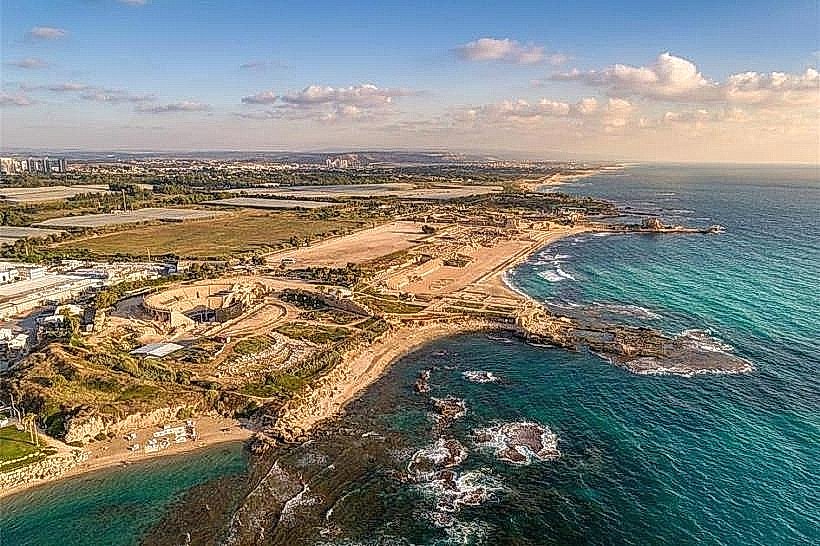
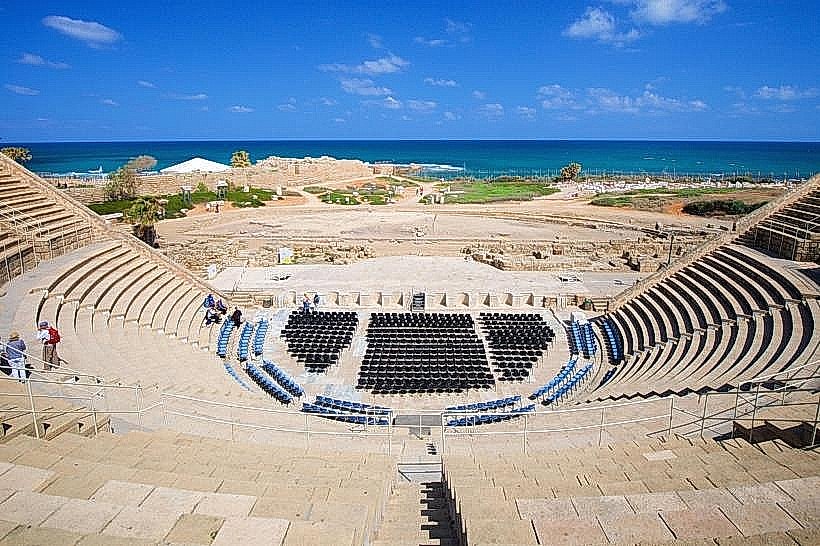
The semi-circular structure at the southern end of the park is the Theater, not a true amphitheater (which would be fully oval). It is the oldest Roman-style theater in Israel.
Visual Characteristics: A classic semi-circle of tiered stone seating (the cavea) facing a stage (proscenium). It features a backdrop of columns and overlooks the Mediterranean.
Capacity: Originally built to seat approximately 4,000 spectators.
Modern Use: Extensively restored, it serves as a premiere venue for outdoor concerts and performances by international and Israeli artists.
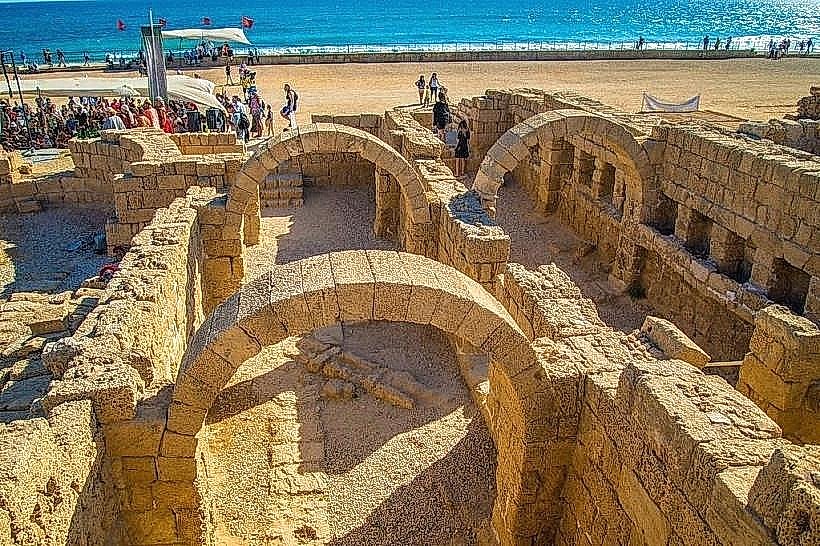
The Herodian Amphitheatre (Hippodrome)
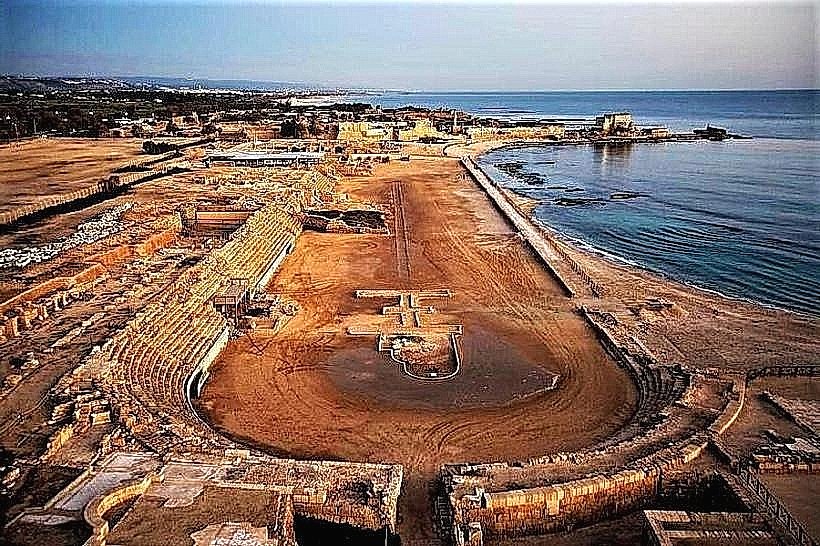
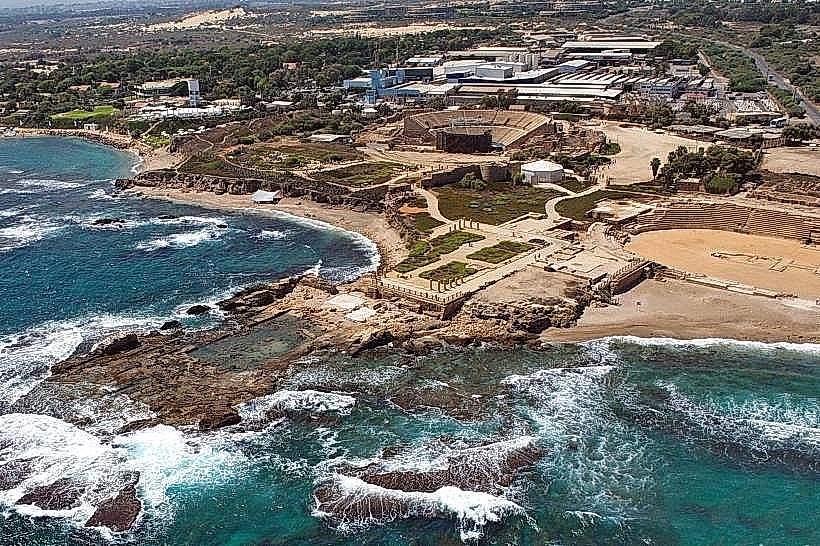
Located along the shoreline north of the theater, this U-shaped arena is what the historian Flavius Josephus referred to as the "Amphitheatre."
Visual Characteristics: An elongated arena, approximately 250 meters long, with tiered seating on three sides. It runs parallel to the coastline.
Historical Function: Built by Herod the Great for chariot races (hippika), athletic competitions, and gladiator combats. It could accommodate roughly 10,000 to 20,000 spectators.
Key Detail: You can still see the carceres (starting gates) for the chariots at the northern end and a replica of the obelisk that once stood in the center.
Location & Access Logistics
Both structures are located within Caesarea National Park.
Theater: Located at the southernmost point of the archaeological site.
Amphitheatre/Hippodrome: Located centrally between the theater and the Crusader City.
Access: Entry is via the main park ticket offices. Paved, accessible paths connect both sites. Large parking lots are available at the Southern Entrance (near the theater) and the Harbor Entrance.
Historical & Ecological Origin
Chronology: Commissioned by Herod the Great (c. 22–10 BCE) as part of his "Royal City."
Engineering: The structures were built from local kurkar sandstone, often coated in marble-like plaster. The theater was later converted into a fortress during the Byzantine period before being buried by sand dunes for centuries until its excavation in the 1960s.
Infrastructure & Amenities
Amenities: Public restrooms are located at both the Theater entrance and the Harbor area.
Food: A variety of cafes and restaurants are located in the nearby Crusader Harbor section, a 5-minute walk from the Hippodrome.
Connectivity: Strong 5G cellular signal throughout the open-air park.
Best Time to Visit
The Theater: Mid-afternoon for natural lighting on the stage, or evening if attending a scheduled concert.
The Hippodrome: Late afternoon (one hour before sunset) when the sun aligns with the Mediterranean, casting long shadows across the arena.
Facts & Legends
The Pilate Stone: Near the theater, archaeologists found a stone slab with an inscription mentioning Pontius Pilate-the only physical archaeological evidence of his existence.
The "Amphitheatre" Confusion: Josephus used the Greek term amphitheatron (meaning "theater on all sides") for the Hippodrome because a standard linguistic term for the U-shaped Roman circus had not yet stabilized in the Eastern Mediterranean.
Nearby Landmarks
Promontory Palace: 0.2km West (between the Theater and Hippodrome)
Crusader City & Harbor: 0.4km North
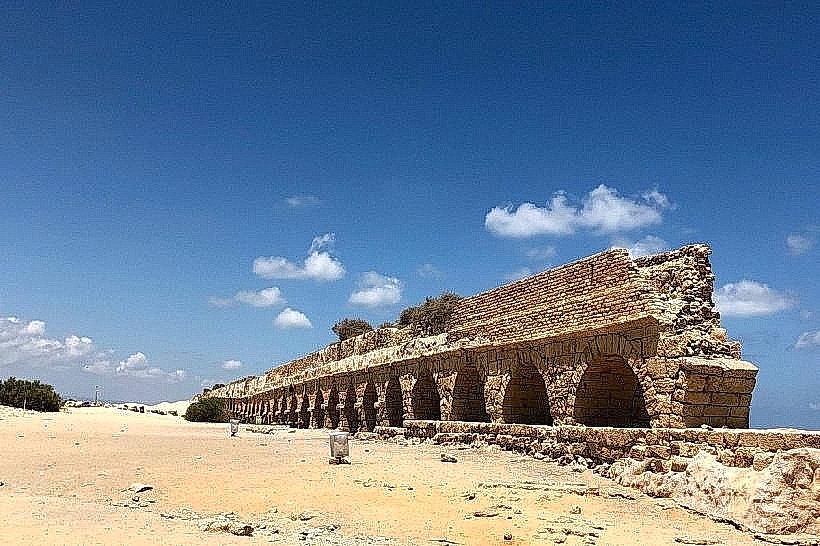
Caesarea Aqueduct: 2.5km North
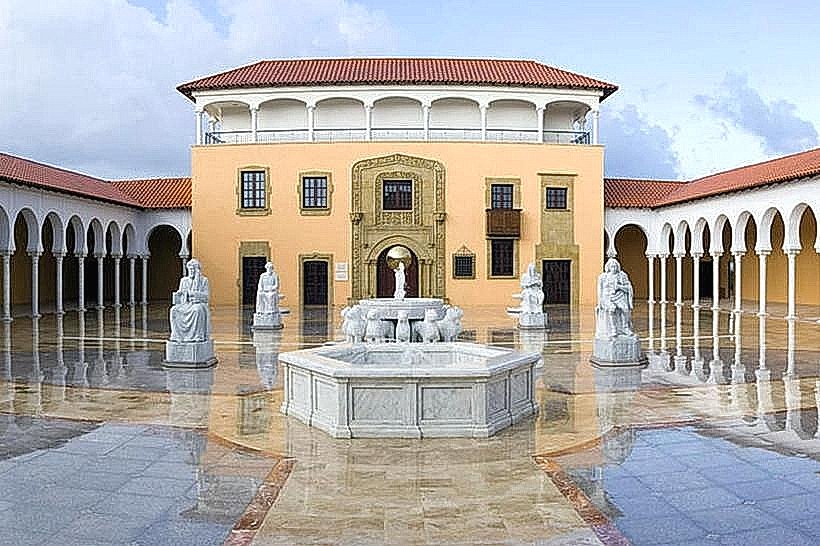
Ralli Museum: 2.0km East
Birds Mosaic: 3.0km Northeast