Landmark: Corcovado National Park
City: Zona Sur
Country: Costa Rica
Continent: North America
Corcovado National Park, Zona Sur, Costa Rica, North America
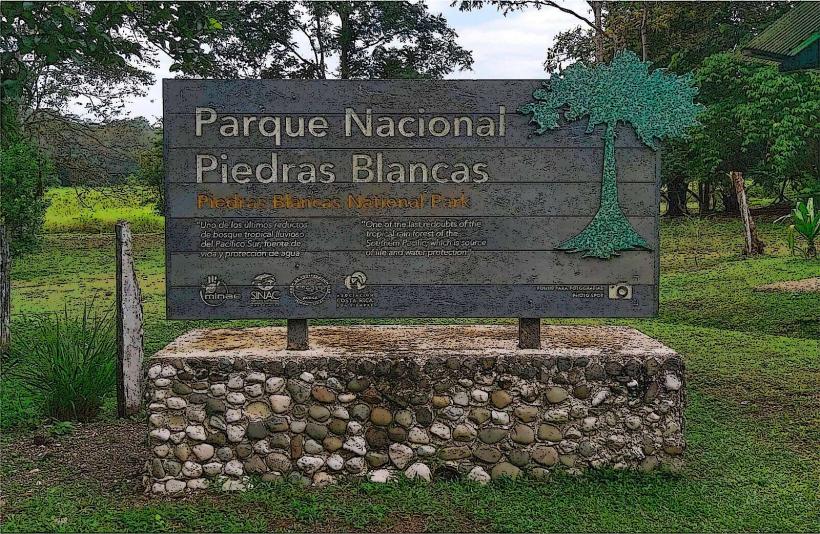
Corcovado National Park is a protected area located on the Osa Peninsula in the Zona Sur region of Costa Rica. It encompasses a significant portion of the peninsula's Pacific coastline and interior rainforest.
Visual Characteristics
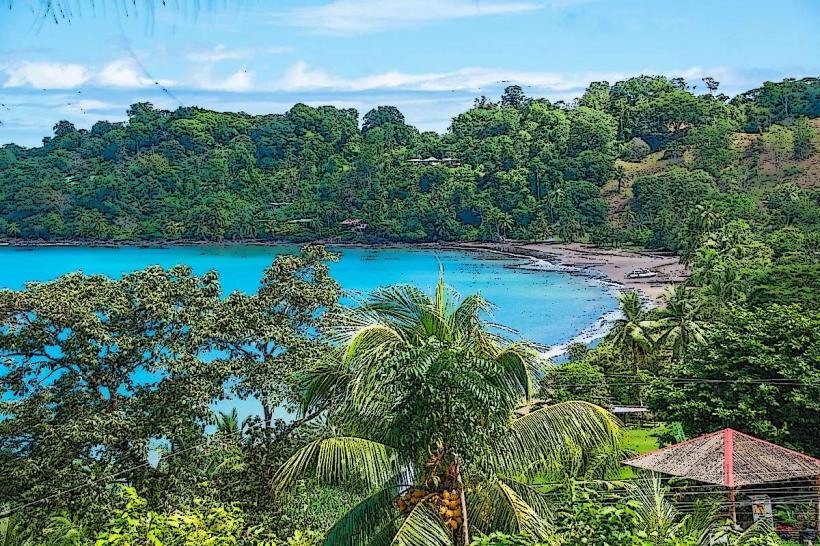
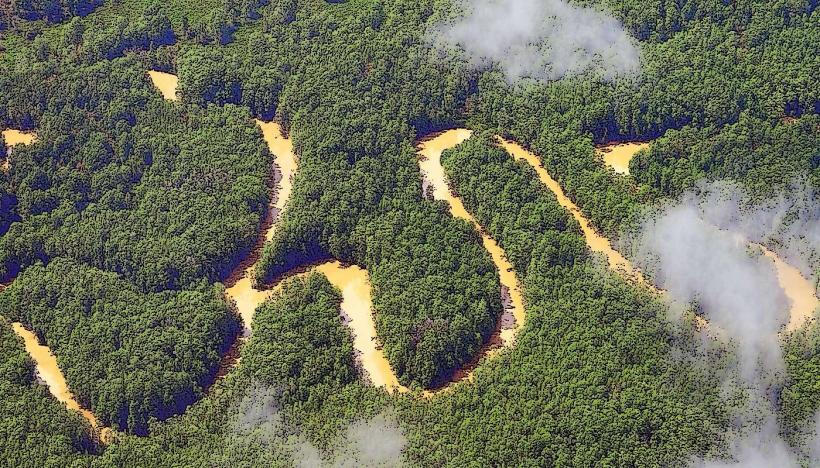
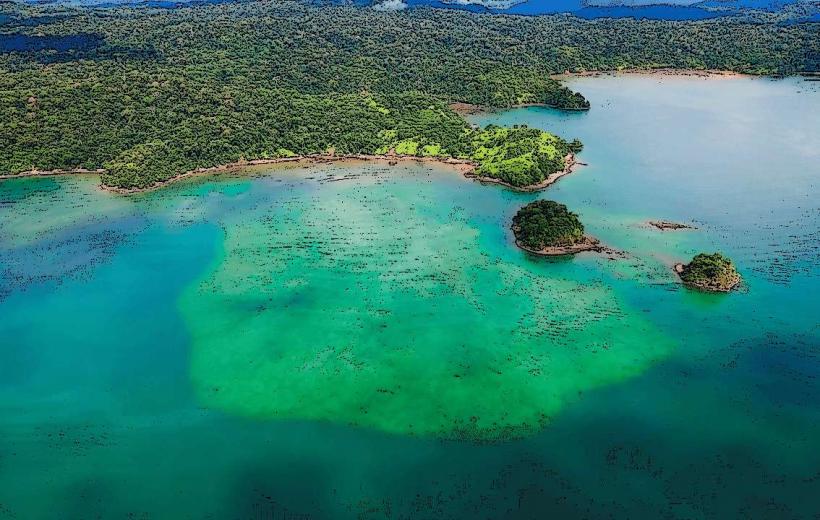
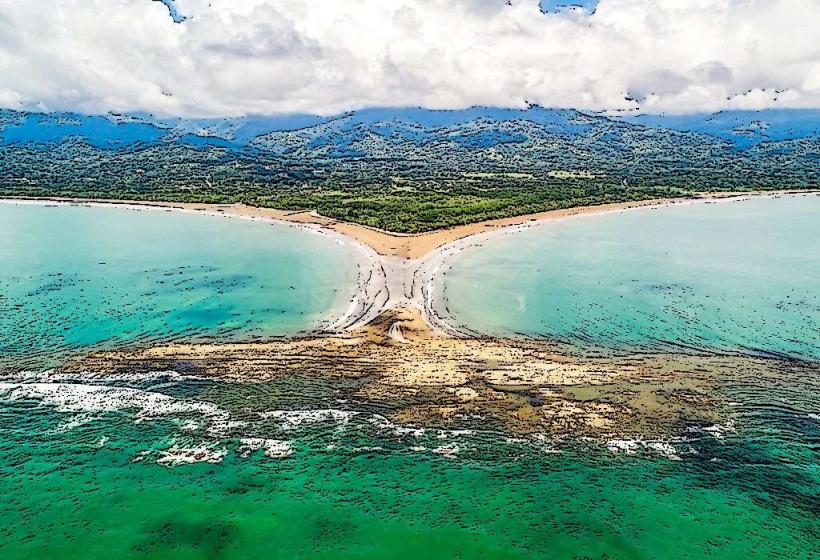
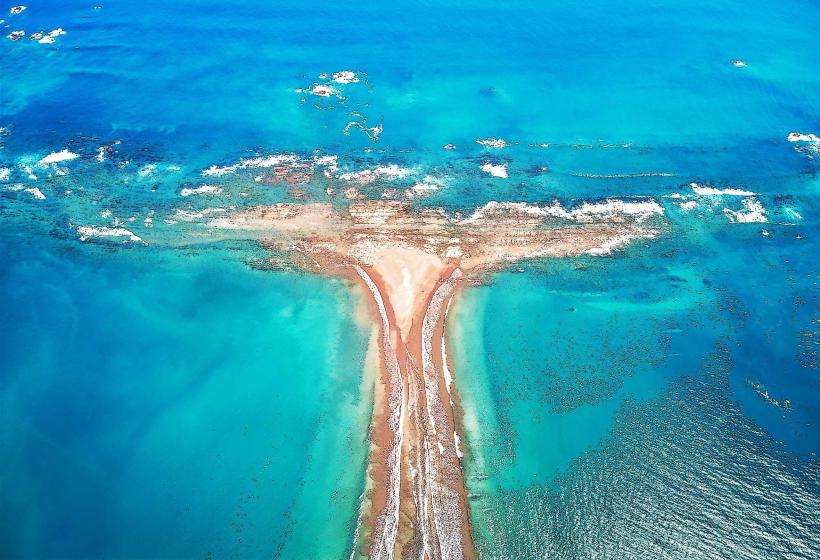
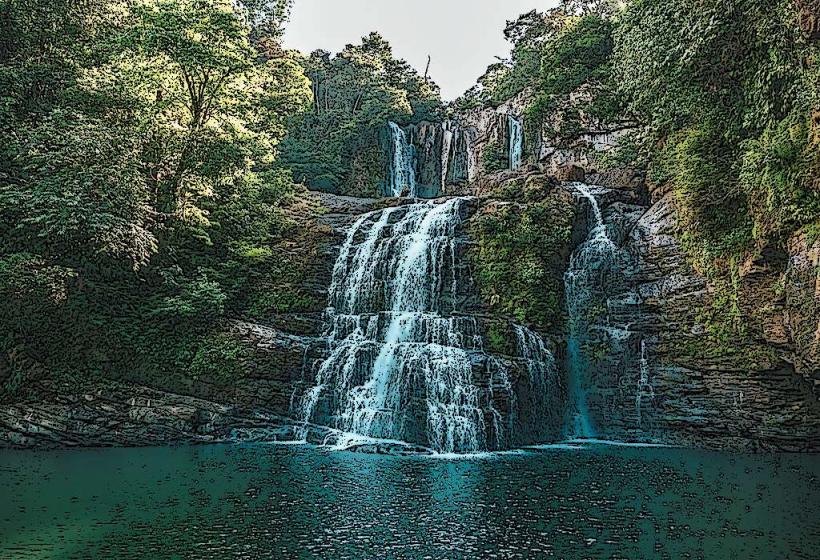
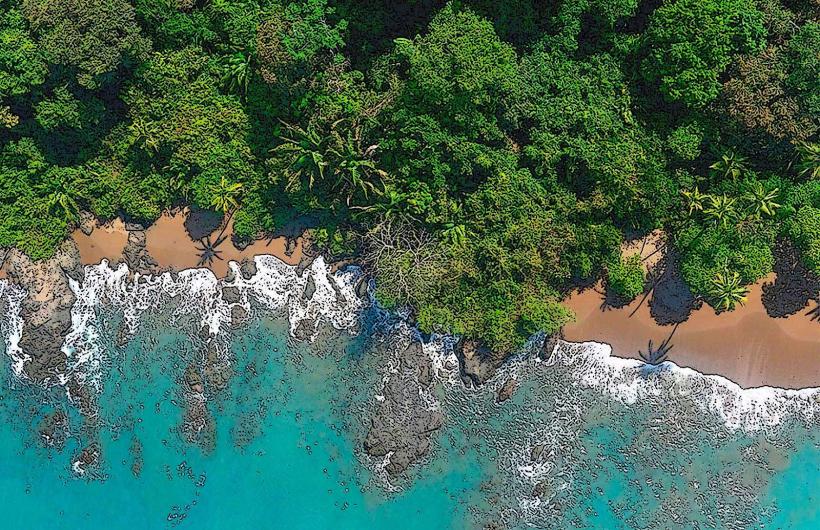
The park features dense tropical rainforest with a canopy reaching up to 40 meters. Vegetation includes large trees such as Ceiba and Guanacaste, interspersed with palms and a thick understory. The coastline consists of sandy beaches and rocky outcrops. Rivers and streams traverse the landscape, with water color varying from clear to sediment-laden depending on rainfall. Wildlife is abundant, with sightings of monkeys, tapirs, and various bird species being common.
Location & Access Logistics
Corcovado National Park is situated on the Osa Peninsula, approximately 200 kilometers south of San José. Access is primarily via boat from Puerto Jiménez or Drake Bay. Driving to the park entrance stations (e.g., Sirena, La Leona) requires a 4x4 vehicle and is often challenging due to unpaved roads, particularly during the rainy season. Parking is available at ranger stations but is limited. Public transport to gateway towns like Puerto Jiménez is available via bus from San José.
Historical & Ecological Origin
Corcovado National Park was established in 1975 to protect the diverse ecosystems of the Osa Peninsula. Ecologically, it is classified as a lowland tropical rainforest and is recognized as one of the most biodiverse terrestrial ecosystems on Earth. The area's geological formation is primarily sedimentary rock, with volcanic influences in some regions.
Key Highlights & Activities
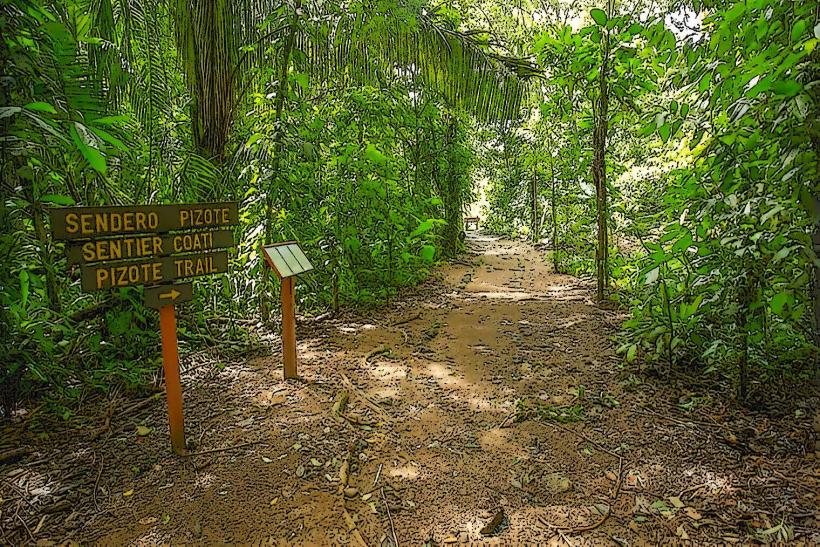
Hiking is the primary activity, with marked trails leading through the rainforest and along the coast. Wildlife observation is a major draw, with opportunities to see scarlet macaws, white-faced capuchin monkeys, howler monkeys, and Baird's tapirs. Swimming is possible in designated river areas, but caution is advised due to currents and wildlife. Camping is permitted at designated sites within the park, requiring prior reservations.
Infrastructure & Amenities
Basic infrastructure includes ranger stations at key entry points (e.g., Sirena, La Leona, San Pedrillo) which provide basic shelter and information. Restrooms are available at ranger stations. Shade is provided by the dense forest canopy. Cell phone signal is generally absent within the park. Food vendors are not present inside the park; visitors must carry their own provisions.
Best Time to Visit
The dry season, from December to April, offers the most favorable weather conditions with less rainfall and lower humidity. The wet season, from May to November, sees increased rainfall, which can impact trail conditions and accessibility. Wildlife viewing is often enhanced during the early morning and late afternoon hours when animals are most active. High tide can affect access to certain coastal trails.
Facts & Legends
Corcovado National Park is home to approximately 5% of the world's biodiversity. A unique tip for visitors is to carry insect repellent, as mosquitoes and other biting insects are prevalent, especially in humid conditions. The park is also known for its population of jaguars, though sightings are rare.
Nearby Landmarks
- Golfo Dulce: 10km East
- Osa Wildlife Sanctuary: 15km North
- Puerto Jiménez: 25km Northeast
- Drake Bay: 30km Northwest
- Marino Ballena National Park: 60km North