Landmark: Drake Bay
City: Zona Sur
Country: Costa Rica
Continent: North America
Drake Bay, Zona Sur, Costa Rica, North America
Drake Bay is a coastal settlement located on the Osa Peninsula in the Zona Sur region of Costa Rica. It serves as a primary access point to Corcovado National Park.
Visual Characteristics
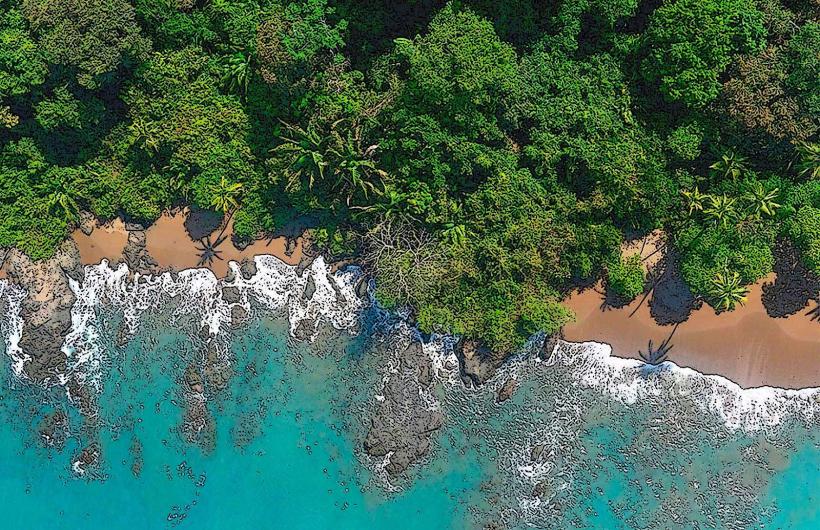
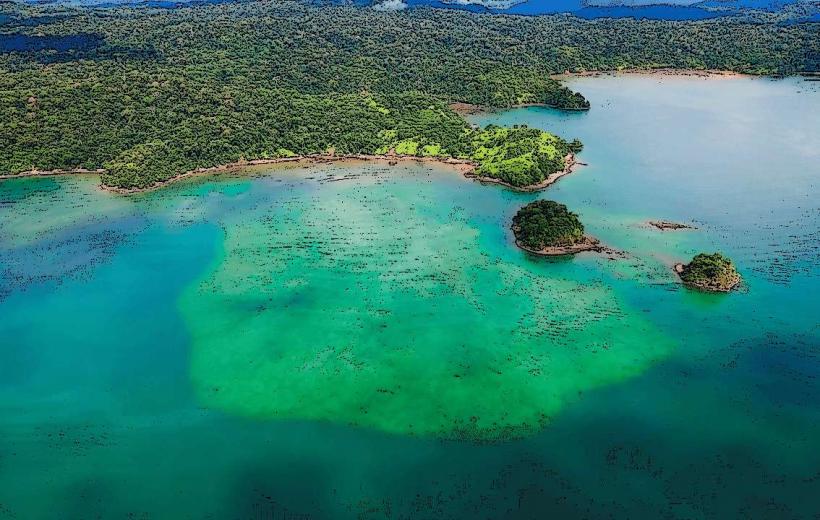
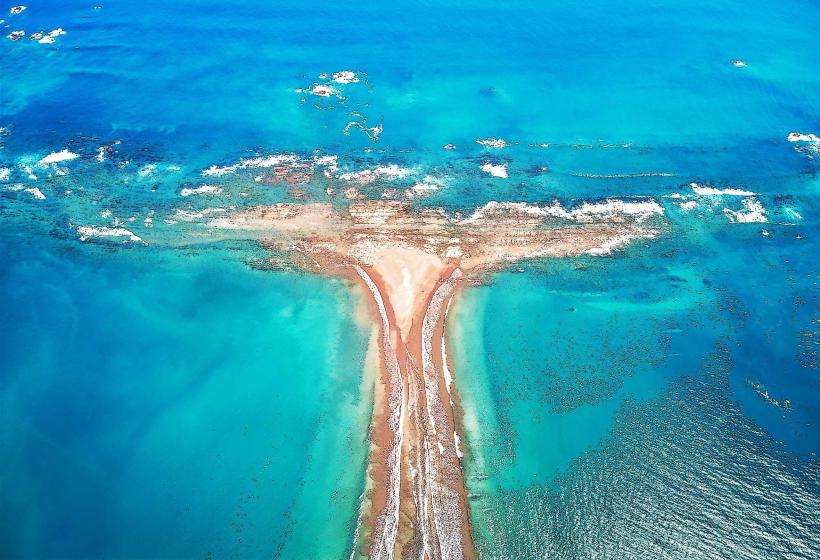
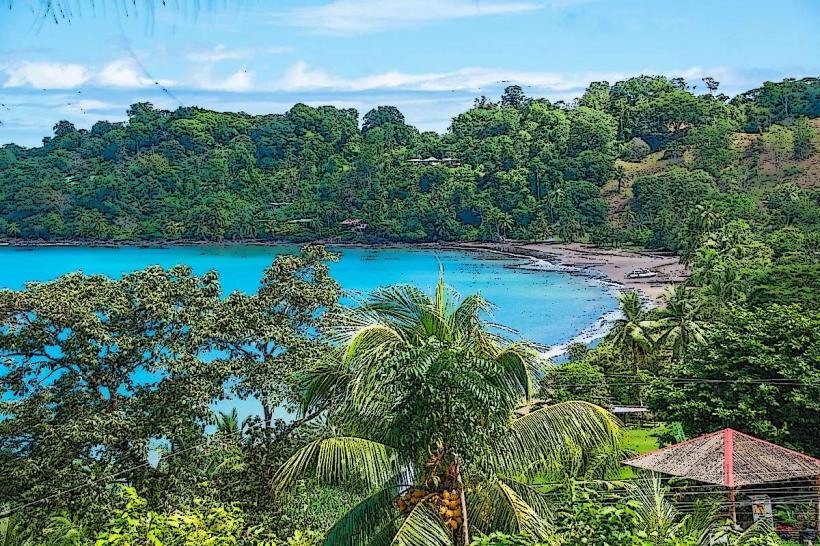
The bay is characterized by a crescent-shaped coastline with dark, volcanic sand beaches. The water color ranges from deep blue to turquoise depending on the season and light conditions. Dense tropical rainforest vegetation extends to the shoreline, with prominent palm trees and emergent canopy trees.
Location & Access Logistics
Drake Bay is situated approximately 300 kilometers southeast of San José. Access is primarily via boat from Sierpe, a journey of about 1.5 hours, or by small aircraft landing at Drake Bay Airport (DRK). There are no direct paved roads connecting Drake Bay to major highways. Limited vehicle access exists within the settlement itself, with most transport on foot or by 4x4 vehicles on unpaved tracks. Parking is available at the Sierpe dock for those arriving by car.
Historical & Ecological Origin
The bay's name originates from Sir Francis Drake, who is believed to have anchored here during his circumnavigation in the 16th century. Ecologically, Drake Bay is part of the Osa Peninsula, a region renowned for its exceptional biodiversity and a significant portion of Costa Rica's remaining primary rainforest. It is situated within the buffer zone of Corcovado National Park.
Key Highlights & Activities
Activities include boat tours to Caño Island Biological Reserve for snorkeling and diving, guided hikes into Corcovado National Park (Sirena and La Leona ranger stations), whale and dolphin watching tours (seasonal), and night walks to observe nocturnal wildlife. Kayaking and paddleboarding are possible within the bay.
Infrastructure & Amenities
Basic infrastructure includes a small airstrip, a few lodges and guesthouses, and limited local eateries. Restrooms are available at most accommodations and tour operator facilities. Shade is provided by natural tree cover and some man-made structures. Cell phone signal is intermittent and generally weak.
Best Time to Visit
The dry season, from December to April, offers the most favorable weather conditions with less rainfall. The green season (May to November) sees more rain, but the rainforest is at its most lush. For whale watching, the period from July to November is optimal for humpback whales. High tide is generally preferred for boat access to the beach.
Facts & Legends
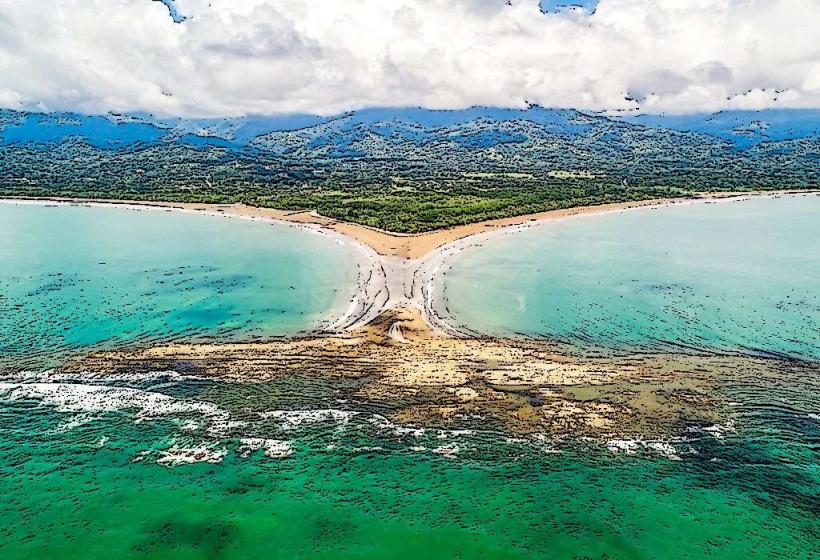
Local lore suggests that pirate treasure may be buried in the vicinity, though no verifiable evidence exists. A unique tip for visitors is to be aware of the tides when planning beach activities or boat transfers, as the shoreline can change significantly.
Nearby Landmarks
- Corcovado National Park (0.1km East)
- Caño Island Biological Reserve (20km Southwest)
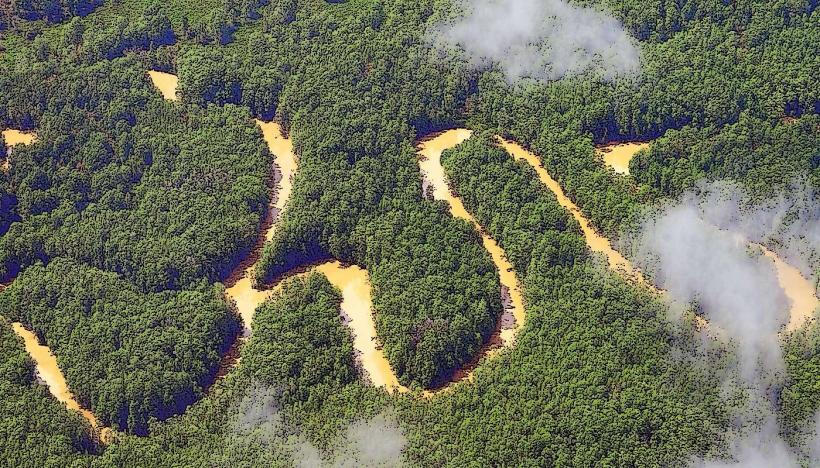
- Sierpe River Mangroves (30km Northwest)
- Palmar Norte (40km Northwest)