Landmark: Farid Serhal Palace
City: Jezzine
Country: Lebanon
Continent: Asia
Farid Serhal Palace, Jezzine, Lebanon, Asia
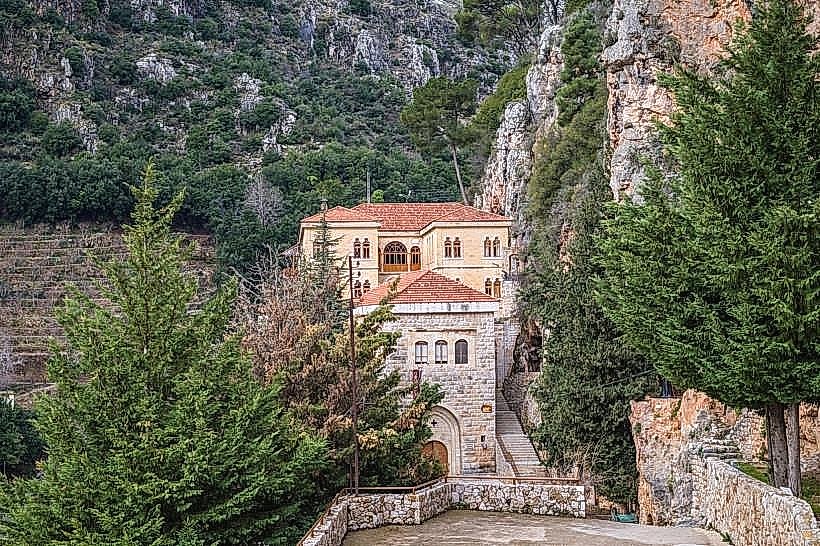
The Farid Serhal Palace (Qasr Farid Serhal) is a monumental private estate and architectural museum located in the mountain town of Jezzine, within the Jezzine District of the South Governorate, Lebanon. Conceived as a life-long artistic project by a prominent Lebanese physician and politician, the building stands as an eclectic, highly ornate palace designed to replicate classical Arab, Andalusian, and Levantine palace architecture.
Visual Characteristics
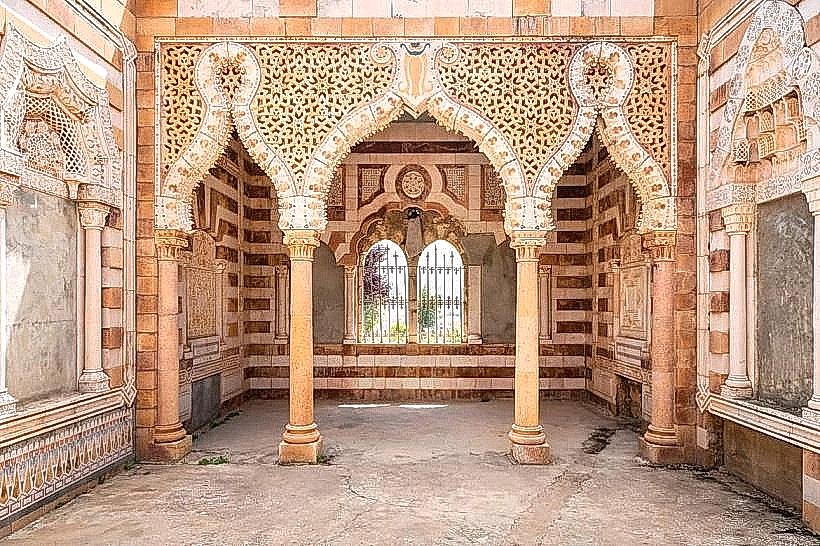
The palace is defined by its massive scale and highly detailed structural eclecticism. Constructed primarily from regional ochre, grey, and white limestone, the design mimics the Ablaq architectural technique-featuring alternating horizontal bands of light and dark stone. The building is heavily embellished with hand-carved Moorish horseshoe arches, pointed Gothic window apertures, Byzantine-style mosaics, and elaborate Romanesque columns. The vast interior features multi-tiered salons, indoor fountains, and unpolished marble pillars, alongside high-ceilinged halls adorned with hand-painted ceramic tiles, relief carvings, and geometric wooden paneling.
Location & Access Logistics
The estate occupies a prominent hillside position on the western edge of central Jezzine, approximately 70 kilometers south of Beirut and 30 kilometers east of Sidon. Access from the capital is via the southern coastal highway to Sidon, transitioning onto the regional mountain highway that ascends through Roum into Jezzine. The palace is located just off the main town road, with vehicular access via a paved municipal street. Limited roadside parking is available near the main gate. Public transit options include regional minivans from Sidon to the central square of Jezzine, from which the palace can be reached via a 10-minute walk or a brief local taxi ride.
Historical & Ecological Origin
The palace was commissioned and entirely financed by Dr. Farid Serhal, a wealthy physician and former member of the Lebanese Parliament. Construction commenced in the late 1960s as a personal initiative to house Serhal's extensive collection of international antiquities, books, and regional art. Progress was systematically disrupted and the structure partially damaged during the Lebanese Civil War (1975–1990). Work resumed post-conflict but halted indefinitely following Dr. Serhal’s death in 1997, leaving sections of the grand interior structurally complete but unfinished. Geologically, the palace is anchored directly into the hard Jurassic limestone foundation characteristic of the high-altitude Jezzine ridge.
Key Highlights & Activities
Primary activities focus on the external and internal architectural inspection of the monumental complex. While the property remains privately owned by the Serhal family and is not operated as a fully commercialized museum, the gates are periodically opened for independent explorers, architectural students, and heritage tours. Visitors can examine the master stonemasonry of the central courtyard, photograph the contrasting geometric facades, and observe the blending of Islamic, Roman, and European design motifs throughout the sprawling halls.
Infrastructure & Amenities
The palace operates as a raw architectural monument and lacks formal visitor infrastructure; there is no ticketing booth, official guide service, or gift shop. Public restroom facilities are not available within the structure. Shading is complete inside the massive vaulted stone halls and beneath the deep arcaded courtyards. Cellular network coverage (4G/5G) is powerful and stable outside the complex but drops inside the thick, reinforced limestone chambers. Extensive dining, hospitality lodging, and retail services are positioned 1 kilometer away in central Jezzine.
Best Time to Visit
The optimal hours for photography are during the mid-morning or late afternoon, when the low-angle sunlight passes through the open arches and accentuates the multi-colored limestone bands and relief carvings. The dry months from May through October offer the most predictable travel conditions. The winter season (December to March) experiences heavy mountain rainfall, sub-zero alpine temperatures, and dense low-lying fog that can obscure visibility and limit natural light within the cavernous, unheated interior spaces of the palace.
Facts & Legends
A verified artistic detail of the Farid Serhal Palace is that Dr. Serhal systematically employed master craftsmen, woodcarvers, and stonemasons from Damascus, Aleppo, and various regions of Lebanon for decades, resurrecting dying traditional construction techniques to hand-carve every individual column capital and window frame on site. Local civic lore notes that Dr. Serhal frequently spent his medical earnings directly on purchasing specific historical salvage pieces-such as authentic columns from Roman ruins and tiles from old Levantine mansions-to integrate them directly into the walls of his evolving palace structure.
Nearby Landmarks
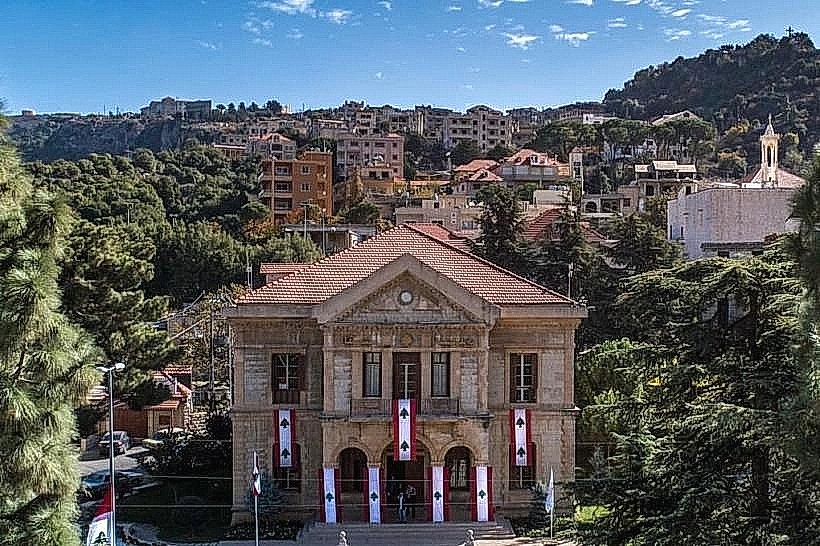
Serail of Jezzine: 0.8km East
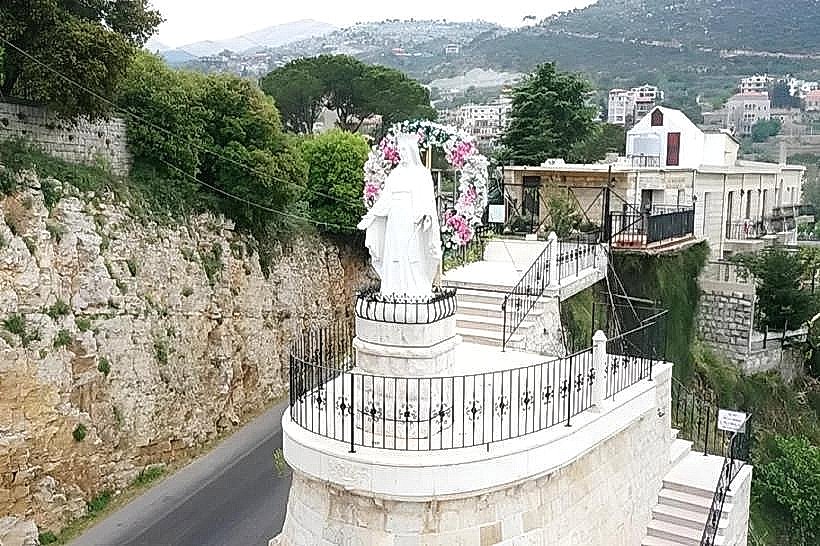
Our Lady of the Waterfall Shrine: 0.9km East
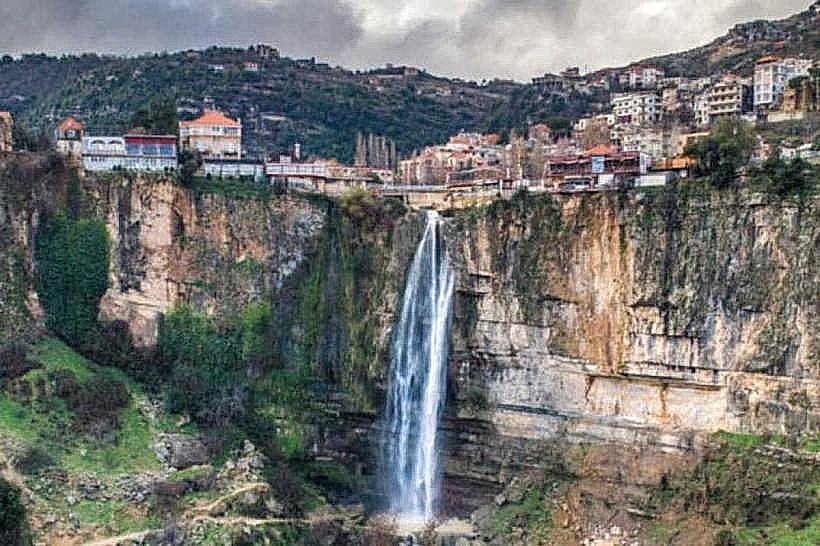
Jezzine Waterfall: 1.2km East
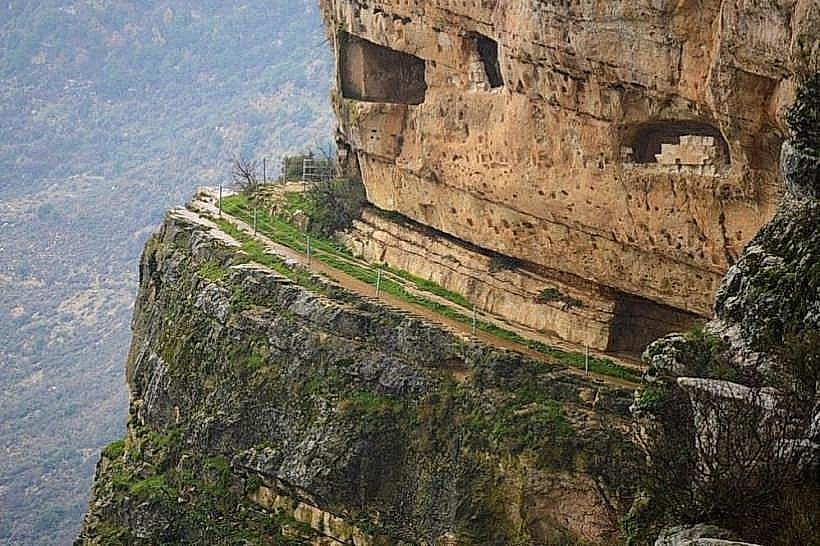
Fakhreddine Grotto: 1.5km East
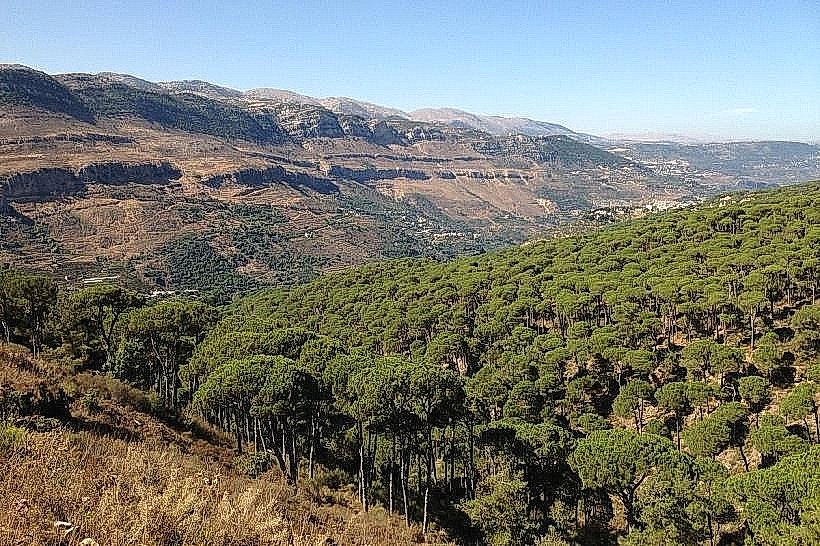
Bkassine Pine Forest: 3.8km Northwest