Landmark: Mar Antonios Monastery
City: Jezzine
Country: Lebanon
Continent: Asia
Mar Antonios Monastery, Jezzine, Lebanon, Asia
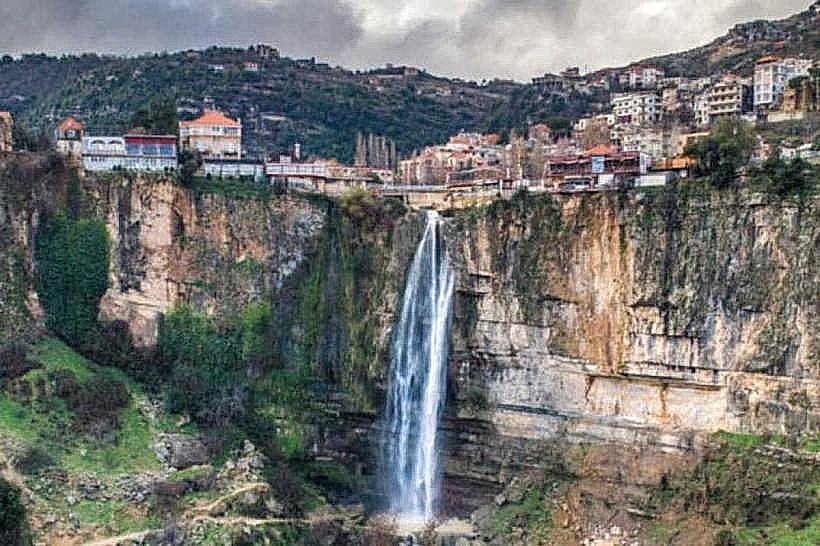
The Mar Antonios Monastery (Monastery of Saint Anthony of Qozhaya) is a monumental Maronite Catholic monastic complex built directly into a pine-forested cliff face within the Qozhaya Valley, a branch of the greater Qadisha Valley system in the Zgharta District of North Lebanon Governorate. It stands as one of the oldest, largest, and most historically significant monasteries in the Middle East, serving as a pillar of Maronite monasticism and a UNESCO World Heritage site.
Visual Characteristics
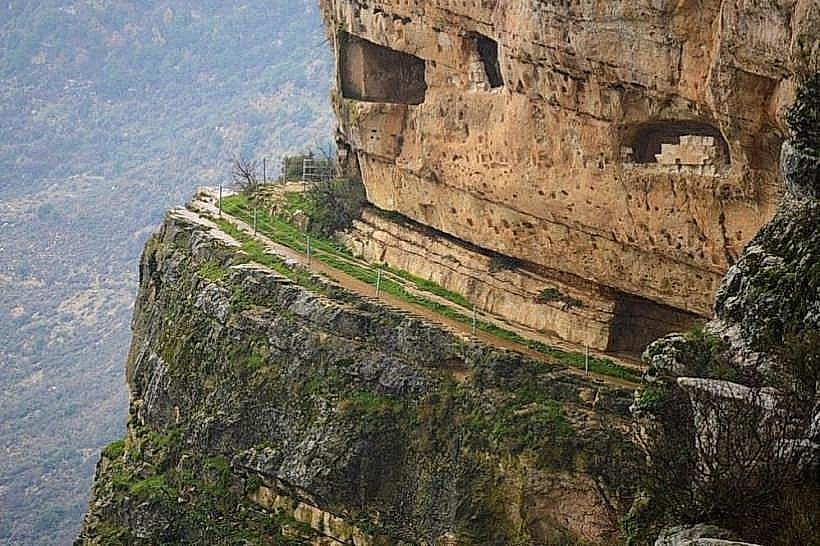
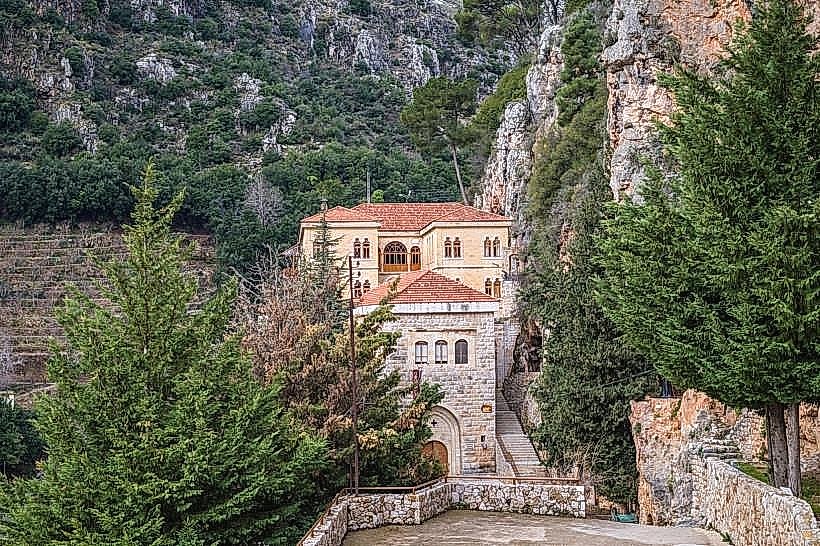
The monastery features a striking troglodytic architectural profile where multiple stone structures merge seamlessly with natural limestone caverns. Constructed from rugged, local grey limestone blocks, the complex is dominated by an outdoor cloister courtyard, a multi-story residential wing with traditional arched loggias, and a prominent bell tower featuring a series of open arches. The main church interior is a large natural cave modified with architectural vaulting, displaying an ornate stone iconostasis (altar screen) and multiple hanging silver lamps that cast a soft glow against the raw, unpolished rock walls.
Location & Access Logistics
The sanctuary occupies an isolated position on the northern slopes of the Qozhaya ravine, approximately 105 kilometers northeast of Beirut and 10 kilometers west of Ehden. Access from the coastal highway at Chekka involves ascending eastward along the regional highway through Amioun and Kousba, turning onto the designated descent road toward Arbet Kozhaya. Unlike the highly isolated troglodytic hermitages of the lower valley, Mar Antonios features a fully paved asphalt access road leading directly to a large parking plaza outside the main gates. Public transport is limited to coastal buses dropping off at Byblos or Tripoli, from which a private regional taxi must be secured to reach the valley floor.
Historical & Ecological Origin
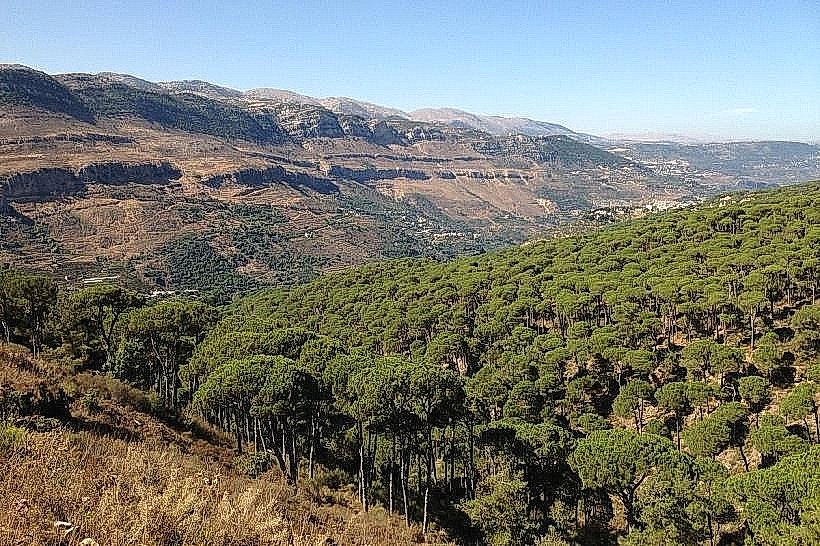
Monastic settlement at the site traces back to the 4th century CE, initially established by hermits attracted to the extreme isolation and natural defensive qualities of the karst cave systems. The location is anchored inside a dramatic Cretaceous limestone canyon shaped by the perennial stream of the Qozhaya River, surrounded by dense forests of oak, pine, and juniper. The monastery served as a critical stronghold for the Lebanese Maronite Order, which systematically rebuilt and expanded the complex following multiple destructions, most notably by regional Mamluk forces during the medieval era.
Key Highlights & Activities
Primary activities focus on the historical inspection of the rock-cut chapel, the patriarchal reception rooms, and the Qozhaya Museum. The museum houses the historic printing press of the monastery, alongside a vast archive of liturgical vessels, ancient priestly vestments, and rare Syriac manuscripts. Visitors can explore the Cave of Saint Anthony, a deep natural cavern inside the complex famous for its historical use as a center for treating spiritual and psychological ailments. The surrounding stone terraces provide exceptional vantage points for geographical observation of the forested canyon walls.
Infrastructure & Amenities
The facility is fully developed for religious tourism, offering an information bureau, an administrative office managed by resident monks, a large religious souvenir shop, and modern public restroom installations. Shading is complete inside the subterranean rock vaults and beneath the massive overhanging cliffs framing the main facade. Cellular network coverage (4G) is operational across the open terraces but drops completely once inside the deep stone rooms and the natural cave church. No full-service restaurants operate on the immediate monastery grounds, but basic snacks are available at the kiosk, with extensive fine dining situated 5 kilometers uphill in Ehden.
Best Time to Visit
The optimal period for photography and trail exploration is from May through October when the mountain air is clear and the access roads are entirely free of alpine weather hazards. The morning hours from 08:30 to 11:00 provide optimal natural sunlight to illuminate the deep, inward-facing cliff structures before harsh shadows cover the valley floor. The winter season (December to April) routinely brings heavy rainfall, sub-zero temperatures, and occasional thick snow blankets that coat the canyon rim.
Facts & Legends
A verified historical attribute of Mar Antonios Monastery is that it served as the birthplace of printing in the Middle East; the monks installed the region's first printing press here in 1585 CE, utilizing custom-cast Syriac typography to publish the Book of Psalms for the surrounding mountain parishes long before commercial printing expanded into the coastal urban centers. Local religious tradition notes that the chains preserved inside the Cave of Saint Anthony were historically used to secure individuals suffering from severe mental illnesses overnight, with families believing that the spiritual intercession of the patron saint would provide miraculous psychological restoration by morning.
Nearby Landmarks
Our Lady of Hawqa Monastery: 3.5km Southeast
Deir Qannoubine: 4.2km Southeast
Saydet el-Hosn Church (Ehden): 5.0km Northeast
Monastery of Saint Elisha (Deir Mar Licha): 6.5km East