Landmark: Serail of Jezzine
City: Jezzine
Country: Lebanon
Continent: Asia
Serail of Jezzine, Jezzine, Lebanon, Asia
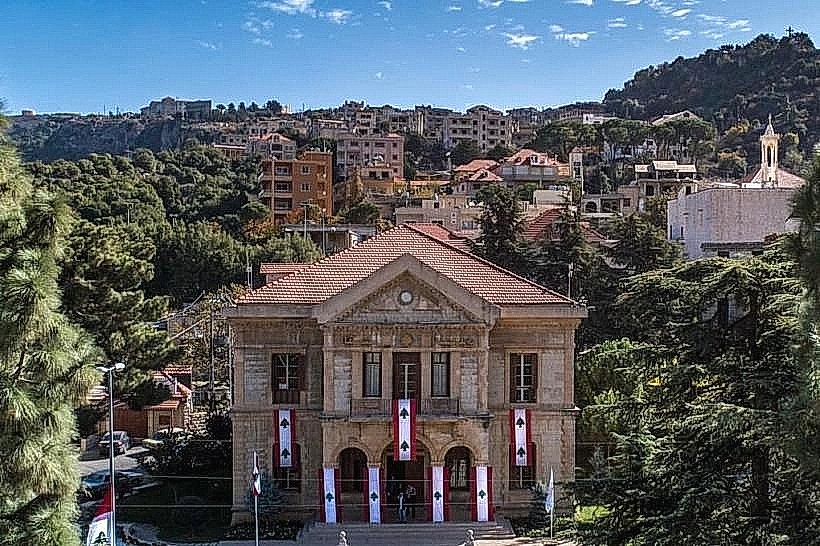
The Serail of Jezzine (also known as the Jezzine Municipality Palace) is a monumental Ottoman-era administrative palace located in the center of the mountain town of Jezzine, within the Jezzine District of the South Governorate, Lebanon. Constructed in the late 19th century, it stands as a prime architectural example of Ottoman civic governance and currently functions as the administrative headquarters for the Municipality of Jezzine and local governmental directorates.
Visual Characteristics
The Serail is a massive, two-story symmetric palace constructed from finely dressed, hand-carved local ochre and beige limestone blocks. The architectural style blends classical Ottoman administrative design with traditional Lebanese mountain motifs. The front facade is defined by a grand, triple-arched stone portico that forms the main entrance loggia, supporting an upper stone balcony with intricate wrought-iron railings. The building features rows of large rectangular windows fitted with traditional dark wood louvers (shutter panels) and is crowned by a high-pitched, red-tiled gabled roof. The internal layout opens into a spacious central stone hall with high ceilings, polished stone floors, and structural arches distributing the load of the upper levels.
Location & Access Logistics
The palace is situated directly on the main municipal square in central Jezzine, approximately 70 kilometers south of Beirut and 30 kilometers east of Sidon. Access from the capital is via the southern coastal highway to Sidon, turning inland onto the regional mountain highway ascending eastward through Roum directly into Jezzine. A paved public parking zone and municipal street parking are available immediately surrounding the palace square. Public transportation includes regular regional minivans from the Sidon transport hub to the center of Jezzine, dropping passengers within a 2-minute walking distance of the Serail gates.
Historical & Ecological Origin
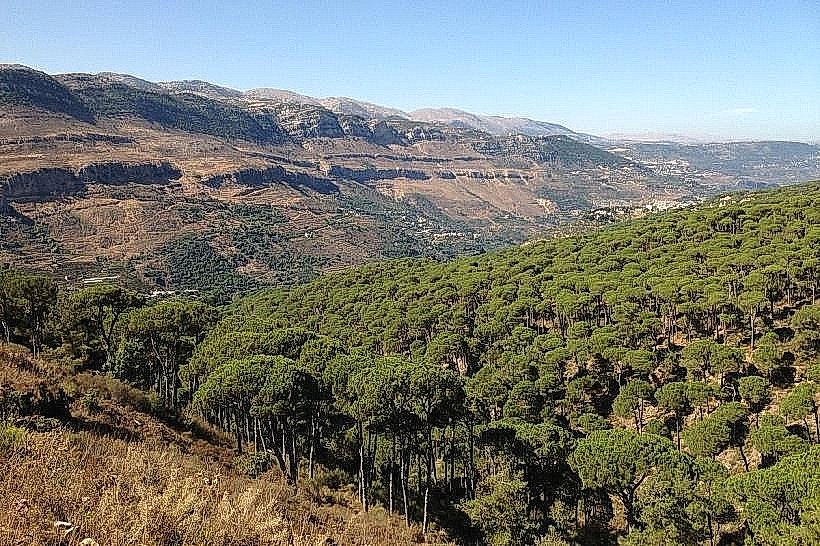
The Serail was commissioned and constructed in 1898 CE during the reign of Ottoman Sultan Abdul Hamid II, built to centralize imperial administration, tax collection, and judicial authority over the southern Mount Lebanon districts. The site was selected on a prominent plateau near the town center, surrounded by the native pine-forested slopes of the South Lebanon mountain range. Geologically, the foundation rests on stable, dense Jurassic limestone strata, which provided the heavy raw blocks utilized by local master stonemasons to construct the thick, load-bearing walls of the palace.
Key Highlights & Activities
Primary activities focus on the architectural observation and external photography of the historic Ottoman facade. Visitors can explore the open public courtyards and view the ornamental stone carvings framing the arches and windows. While the interior remains an active municipal government workplace housing public registries and local court offices, the central hall is periodically accessible to the public for viewing historical architectural layouts, civic plaques, and seasonal cultural exhibitions organized by the municipality.
Infrastructure & Amenities
The surrounding municipal square is fully integrated into Jezzine's urban infrastructure, featuring paved sidewalks, public benches, and street lighting. Public restrooms are located inside the municipality building during standard operational hours (08:00 to 14:00). Natural shade is minimal directly in the open stone square but abundant under the awnings of neighboring commercial buildings. Cellular network coverage (4G/5G) is powerful and completely stable. Extensive commercial amenities-including banks, pharmacies, traditional Lebanese cafes, and shops selling Jezzine's famous handcrafted firebird cutlery-are positioned within immediate walking distance along the square.
Best Time to Visit
The optimal hours for architectural photography are during the mid-morning (09:00 to 11:00) when the sun directly illuminates the eastern and northern stone facades, or late afternoon when the golden hour light emphasizes the natural yellow hue of the Ottoman masonry. The site is accessible year-round due to its central urban location. The dry summer months (June to September) offer the liveliest atmosphere in the square, while winter visits (December to March) face cold, rainy mountain conditions and occasional snow accumulation on the surrounding roads.
Facts & Legends
A verified historical detail is that the construction of the Serail in 1898 was partially funded through direct financial contributions from prominent local families of Jezzine, who sought to secure the town's status as the official administrative capital of the region over rival mountain villages. Local civic history notes that during the late 20th-century geopolitical conflicts, the thick stone walls of the Serail provided a physical blast shield for local residents, sustaining minor structural scars that were systematically repaired during a comprehensive municipal restoration campaign in the early 2000s to return the palace to its original 19th-century specifications.
Nearby Landmarks
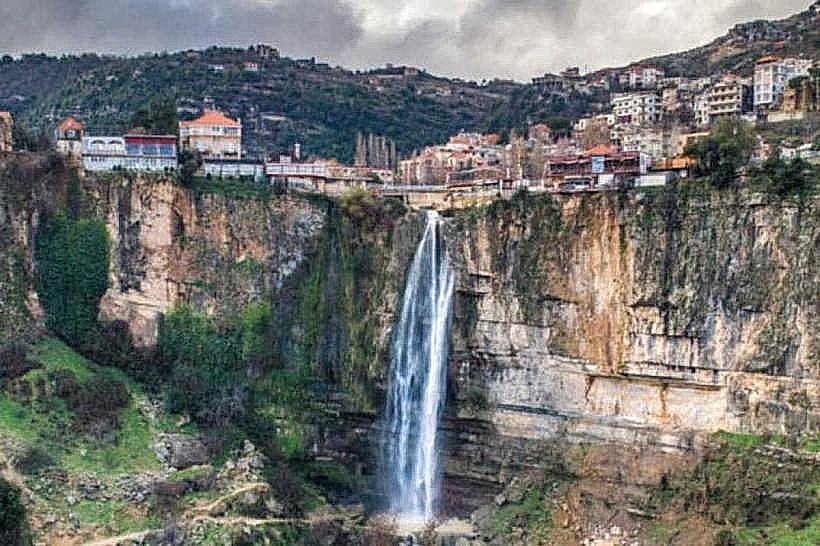
Jezzine Waterfall: 0.6km East
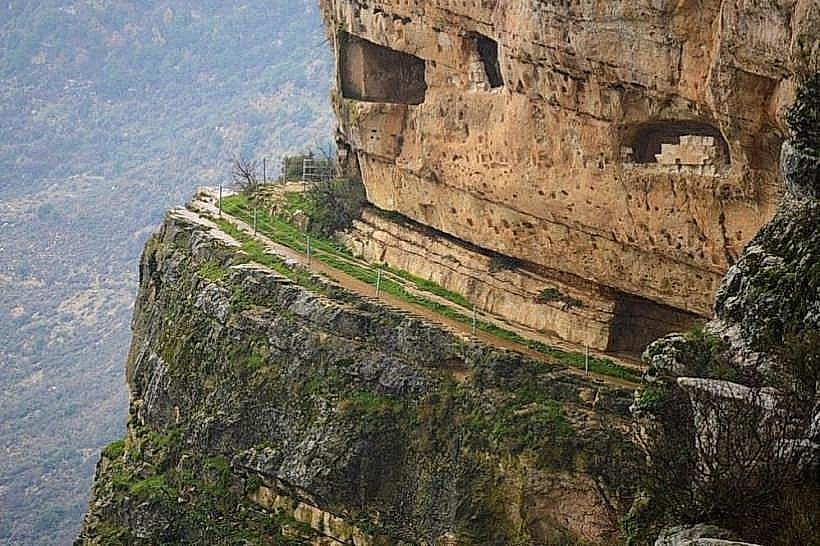
Fakhreddine Grotto: 0.9km East
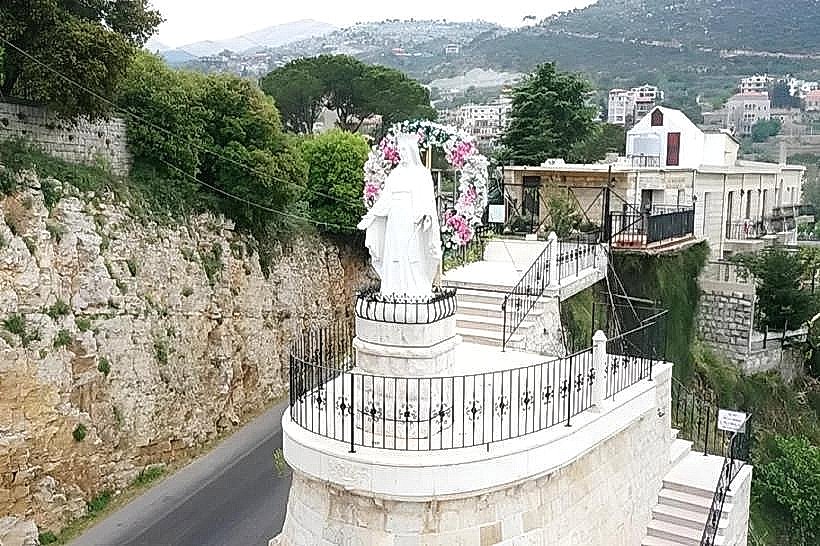
Lady of the Waterfall Shrine: 0.4km Southeast
Bkassine Pine Forest: 4.2km Northwest
Our Lady of Machmoucheh Monastery: 6.5km North