Landmark: Hauz Khas Complex
City: New Delhi
Country: India
Continent: Asia
Hauz Khas Complex, New Delhi, India, Asia
The Hauz Khas Complex is a historical urban park and monument site located in South Delhi, India. It encompasses a reservoir, a fort, and several tombs and mosques dating from the 13th to 16th centuries.
Visual Characteristics
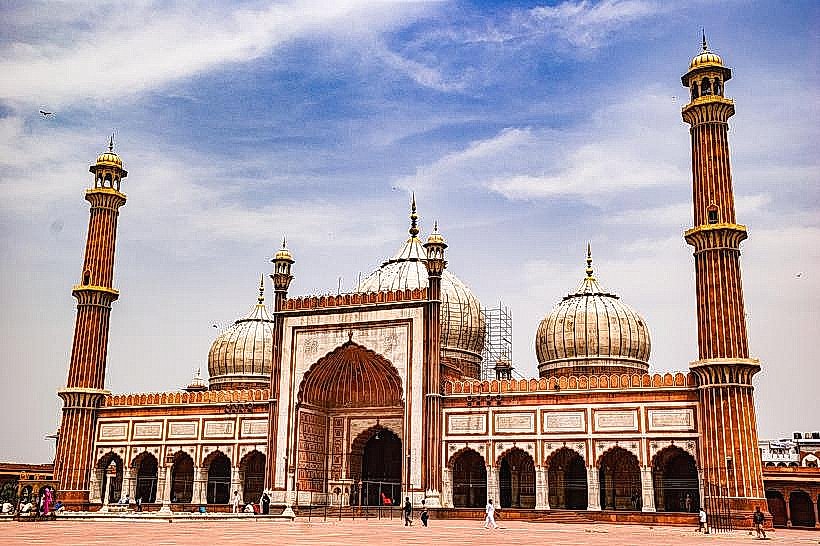
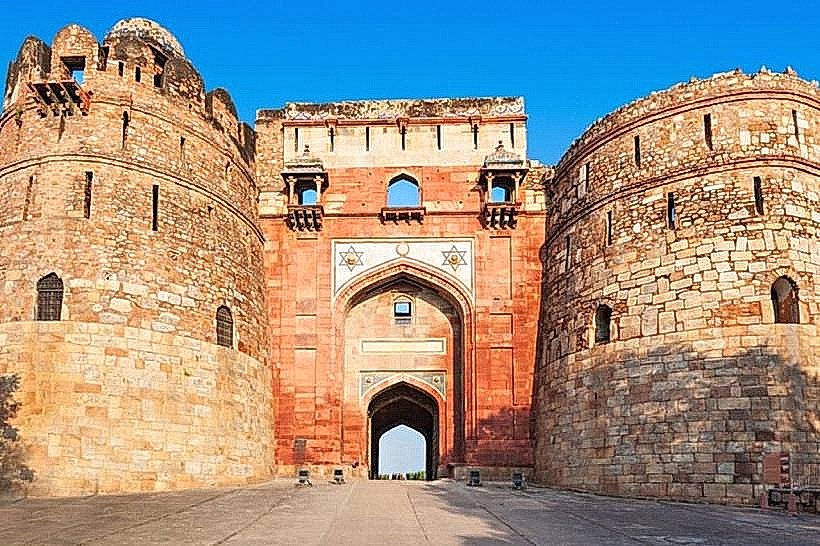
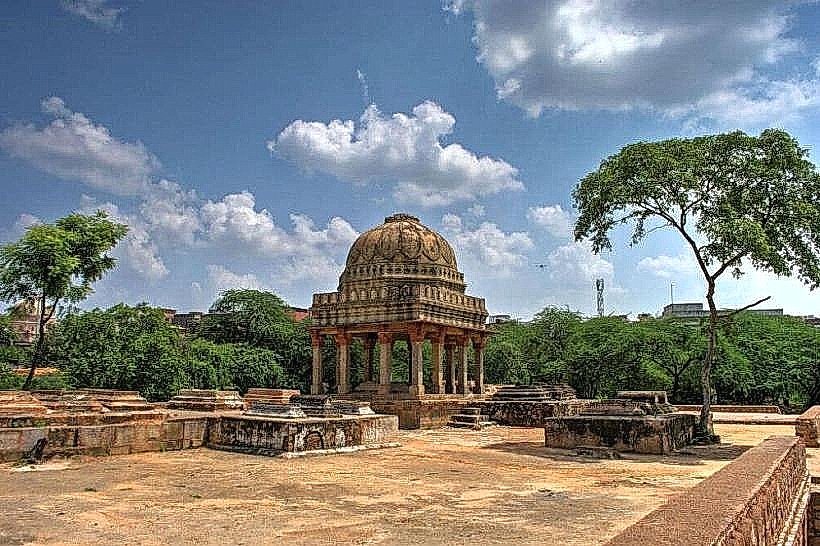
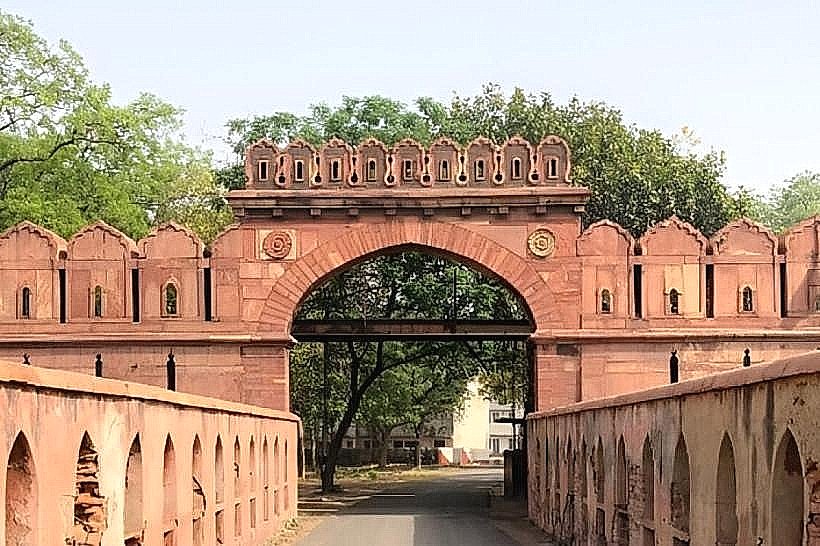
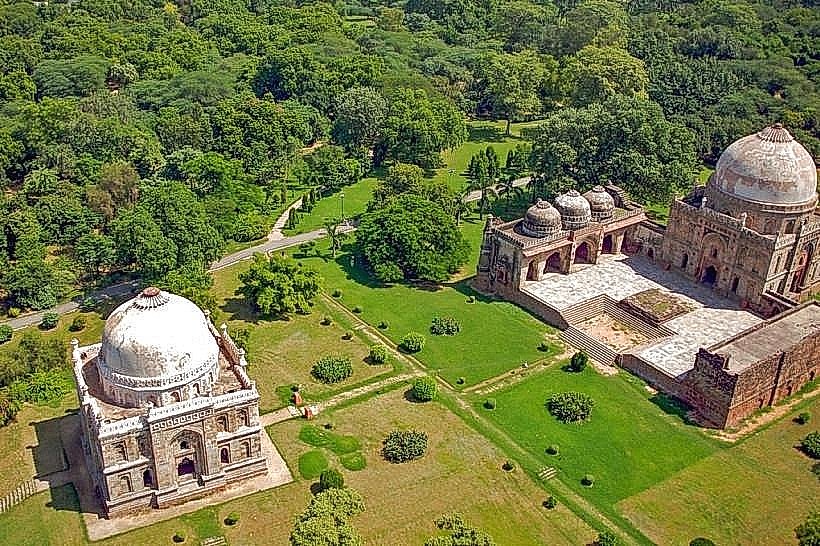
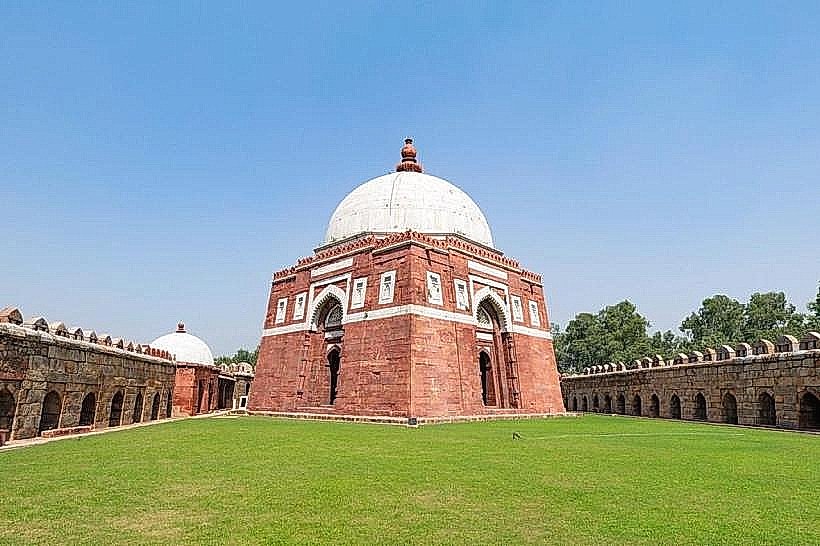
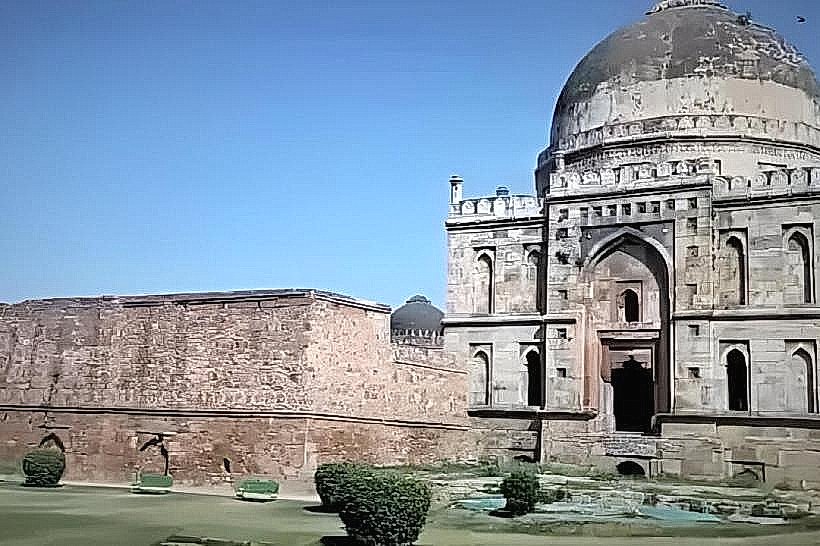
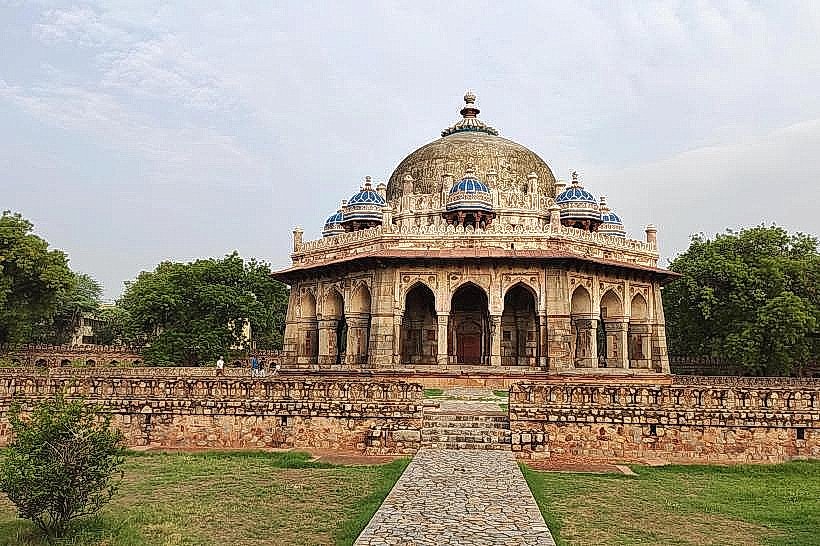
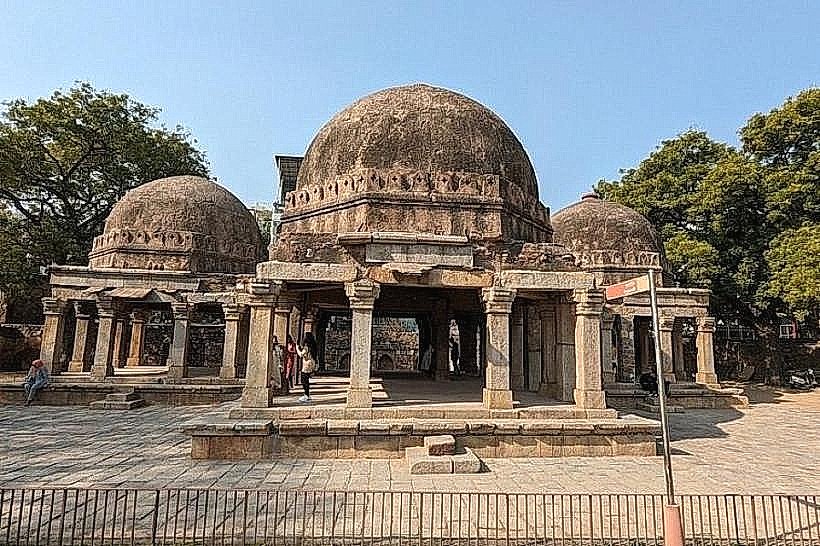
The complex features a large, man-made reservoir (Hauz-i-Alai) with stone embankments. Dominating the site is the Hauz Khas Fort, a 13th-century structure constructed primarily from sandstone. Within the fort complex are several tombs, notably the tomb of Firoz Shah, built with red sandstone and featuring arched entrances and domed roofs. The architecture exhibits Indo-Islamic styles, with intricate carvings and geometric patterns. Vegetation within the park is dense, with mature trees providing shade.
Location & Access Logistics
The Hauz Khas Complex is situated approximately 8 kilometers south of Connaught Place, New Delhi. Access is via Aurobindo Marg (Mehrauli-Badarpur Road). The nearest metro station is Hauz Khas (Yellow and Magenta Lines), located about 1.5 kilometers west of the complex. Auto-rickshaws and taxis are readily available from the metro station. Limited paid parking is available near the main entrance.
Historical & Ecological Origin
The reservoir, Hauz-i-Alai (meaning "Royal Tank"), was built by Alauddin Khilji in 1284 CE to supply water to the inhabitants of Siri, his then capital. The fort and surrounding structures were later developed by Firoz Shah Tughlaq in the 14th century, who established a madrasa (Islamic school) and added tombs. The site is an example of historical urban water management integrated with architectural development.
Key Highlights & Activities
Visitors can explore the ruins of the Hauz Khas Fort, including the tomb of Firoz Shah and the madrasa. Walking paths surround the reservoir, offering views of the structures. Photography is permitted. The complex is a popular spot for birdwatching.
Infrastructure & Amenities
Restrooms are available near the main entrance. Shade is provided by mature trees within the complex. Cell phone signal (4G/5G) is generally good. Food vendors and small cafes are located outside the main complex entrance, along the road.
Best Time to Visit
The best time of day for photography is in the early morning or late afternoon when the sunlight creates distinct shadows on the sandstone structures. The most favorable months for visiting are from October to March, when temperatures are cooler. The reservoir's water level varies seasonally.
Facts & Legends
A local legend suggests that the water from the reservoir was once believed to have healing properties. Historically, the complex served as a significant center of learning and religious activity during the Delhi Sultanate period.
Nearby Landmarks
- 1.5km West: Deer Park
- 2.0km Southwest: Qutub Minar
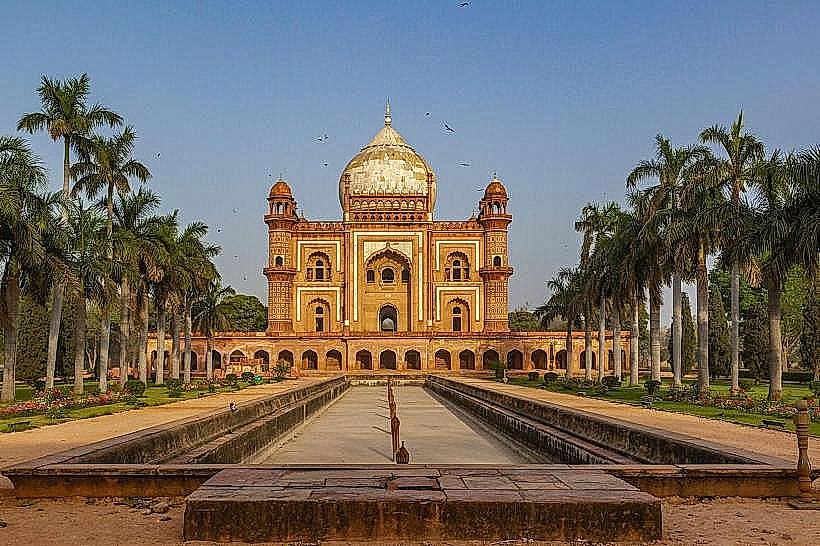
- 3.5km North: Safdarjung Tomb
- 4.0km East: Lotus Temple