Landmark: Mehrauli Archaeological Park
City: New Delhi
Country: India
Continent: Asia
Mehrauli Archaeological Park, New Delhi, India, Asia
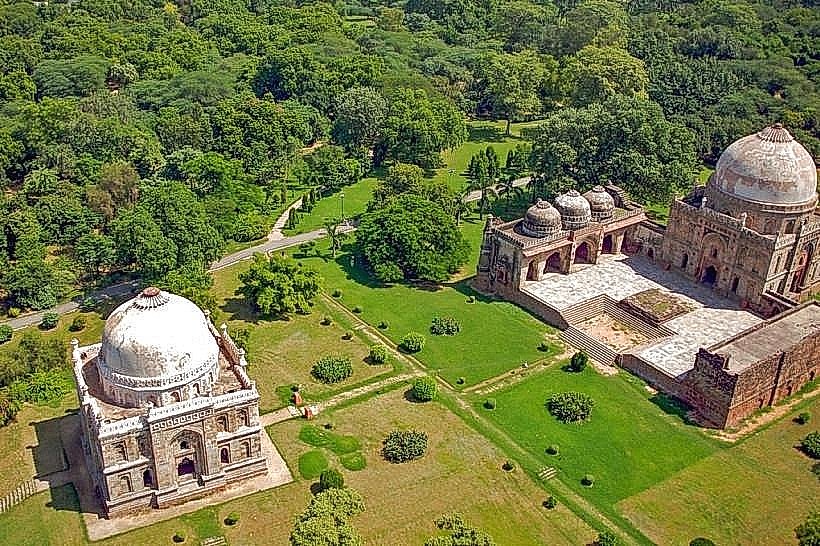
Mehrauli Archaeological Park is a protected area containing over 100 historical structures, situated in New Delhi, India.
Visual Characteristics
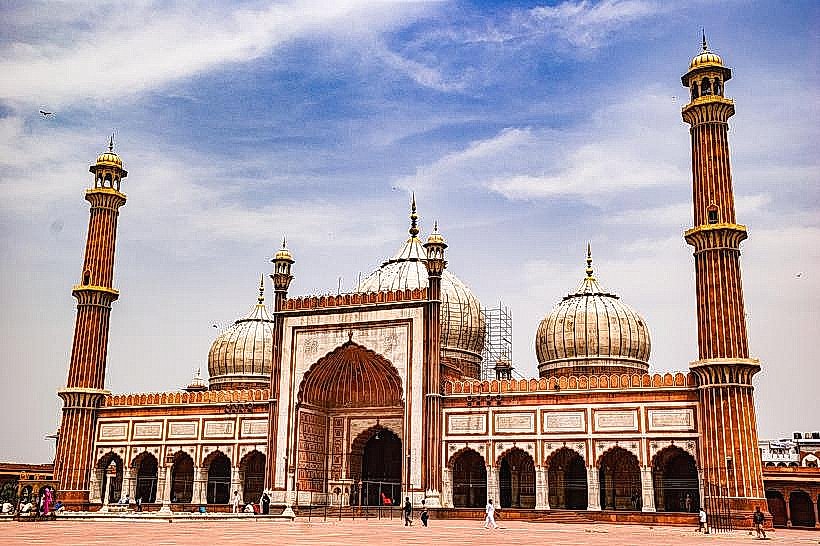
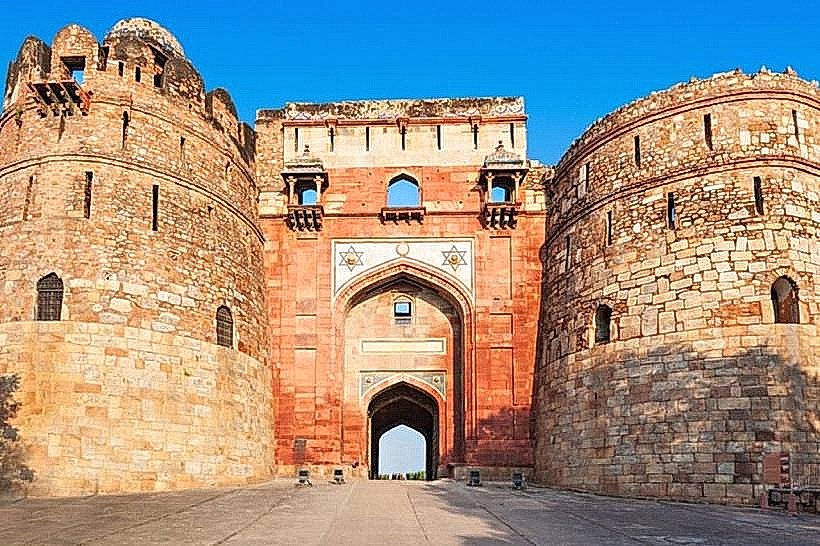
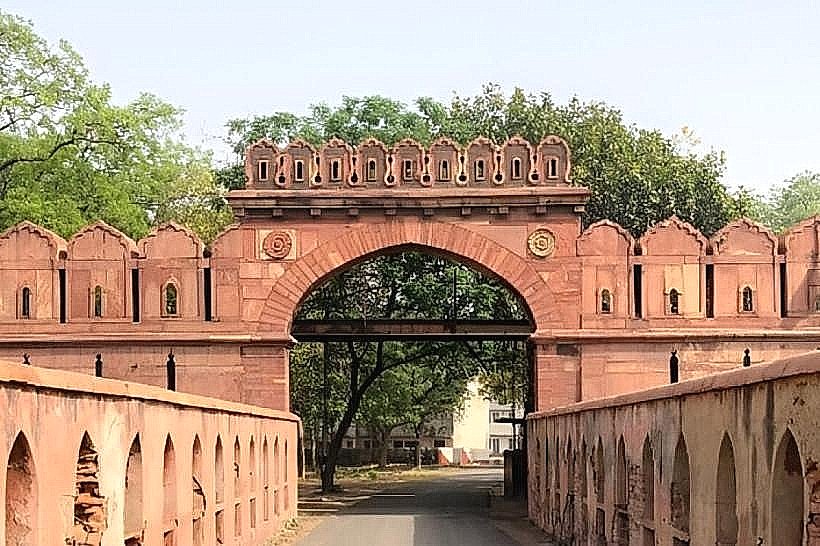
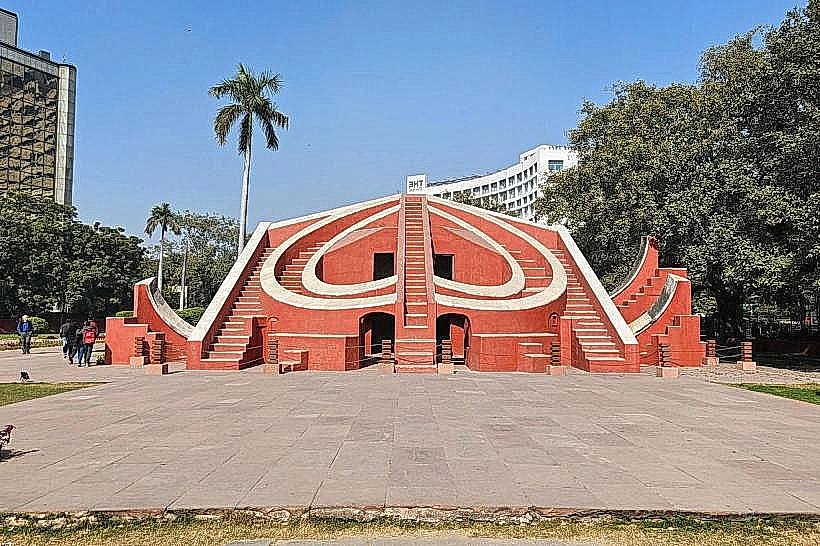
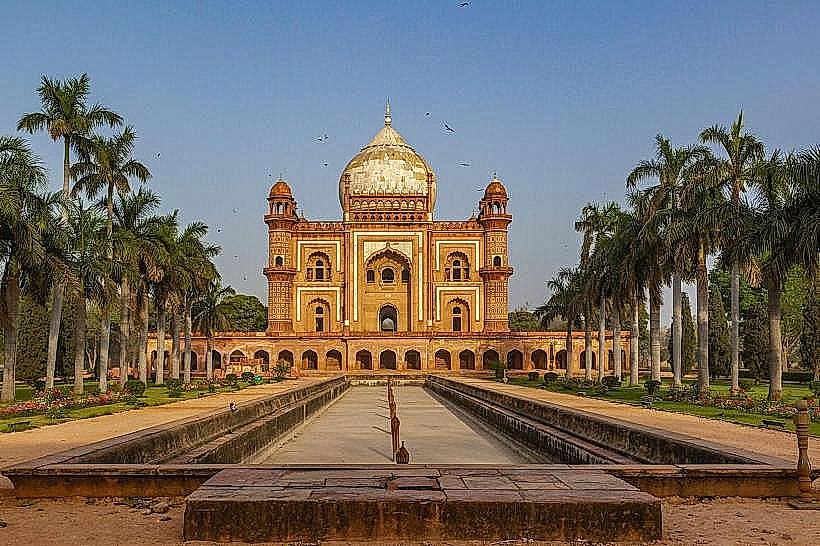
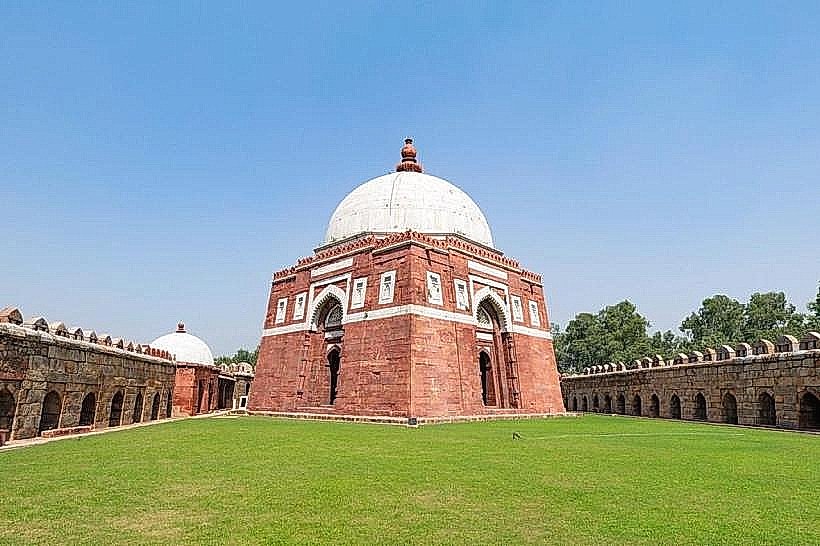
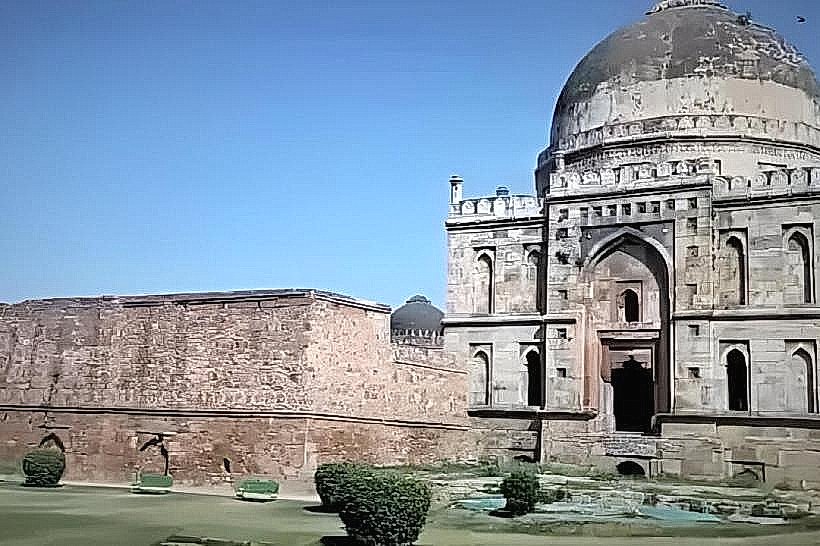
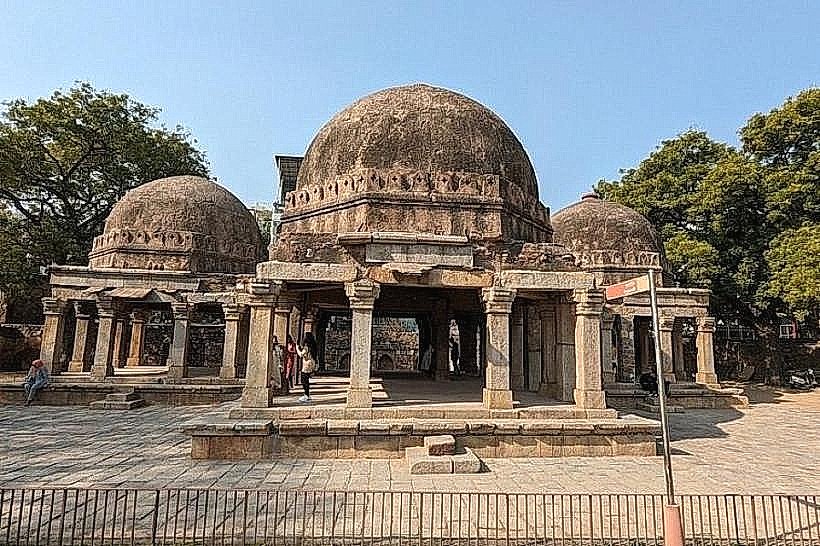
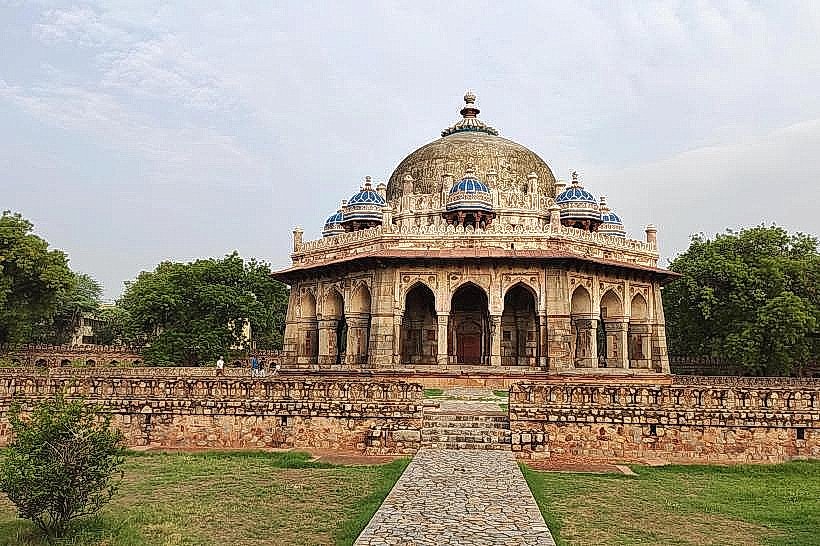
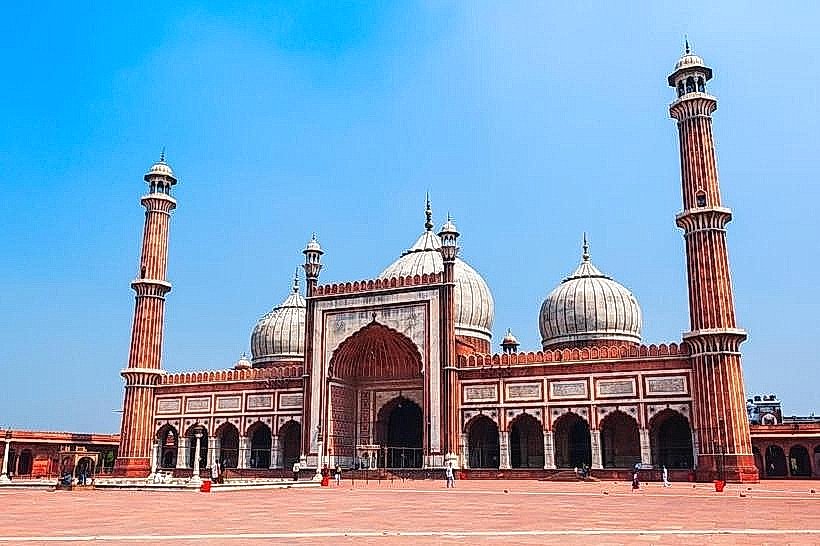
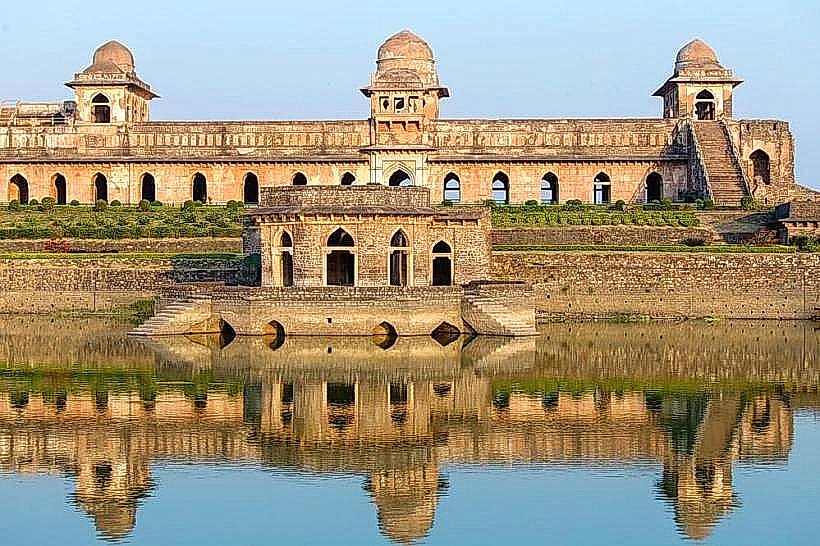
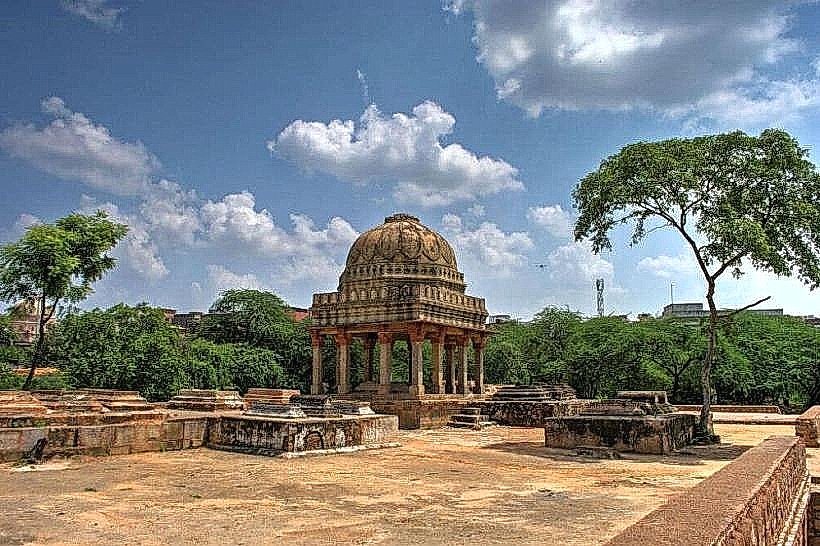
The park features a diverse range of architectural styles from various historical periods. Structures are primarily constructed from red sandstone and grey quartzite. Notable buildings include tombs, mosques, forts, and stepwells, exhibiting Indo-Islamic and Mughal architectural influences. Vegetation within the park is largely natural, with scattered trees and shrubs characteristic of the semi-arid climate of the region.
Location & Access Logistics
The park is located in the Mehrauli neighborhood of South Delhi. It is approximately 15 kilometers south of Connaught Place, the city center. Access is via Mehrauli-Badarpur Road. Parking is available at designated points within and around the park, though it can be limited during peak hours. The nearest metro station is Qutub Minar (Yellow Line), approximately 1 kilometer west of the park. Auto-rickshaws and local buses (e.g., routes 505, 534) serve the area.
Historical & Ecological Origin
The park's historical significance stems from its location on the site of Lal Kot, the first city of Delhi, founded by the Tomara dynasty in 736 CE. It was later expanded by the Chauhan dynasty. The area contains structures dating from the Delhi Sultanate period (12th-16th centuries) through the Mughal era and into the British colonial period. Ecologically, it is part of the Aravalli Range foothills, characterized by rocky terrain and dry deciduous forest.
Key Highlights & Activities
Exploration of the various historical monuments is the primary activity. Specific sites include the Tomb of Balban, Jamali Kamali Mosque and Tomb, Quli Khan's Tomb, Rajon Ki Baoli (stepwell), and the ruins of Lal Kot. Walking and photography are common. Guided heritage walks are sometimes organized by local authorities or heritage groups.
Infrastructure & Amenities
Basic amenities are present. Restrooms are available at some key entry points and near major structures. Shade is provided by mature trees and the architecture of the monuments themselves. Cell phone signal (4G/5G) is generally available throughout the park. Food vendors are typically found near the main entrance and along the adjacent roads, offering local snacks and beverages.
Best Time to Visit
The best time of day for photography is early morning or late afternoon to utilize softer light. The optimal months for visiting are from October to March, when temperatures are cooler and more pleasant. Avoid visiting during the monsoon season (July-September) due to potential heavy rainfall.
Facts & Legends
A notable feature is the presence of the tomb of a Sufi saint, Jamali, and his companion Kamali, whose identities and relationship remain subjects of historical debate. Local lore suggests that the stepwell, Rajon Ki Baoli, was once used for water storage and public bathing, with its multiple levels offering different water depths.
Nearby Landmarks
- Qutub Minar Complex (0.8km West)
- Adham Khan's Tomb (0.6km North)
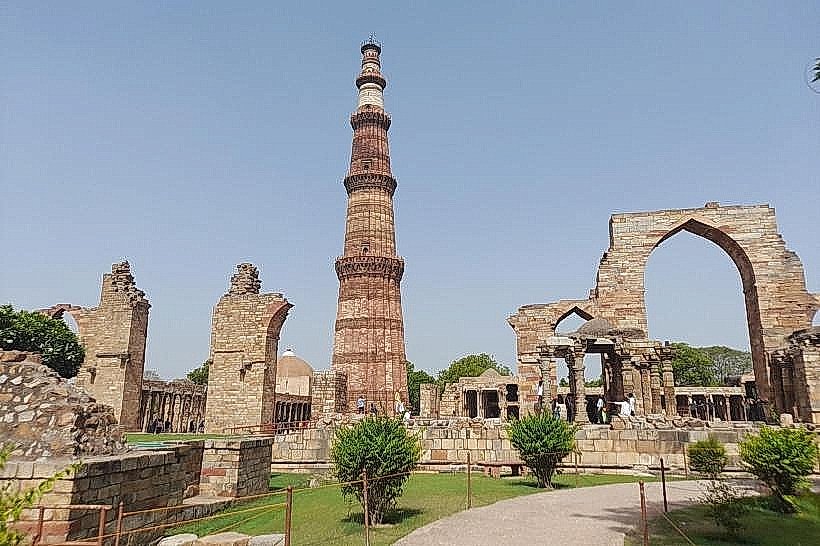
- Iron Pillar of Delhi (1.2km West)
- Jamali Kamali Mosque and Tomb (0.3km East)
- Hauz Khas Village (3.5km Northeast)