Landmark: Tughlaqabad Fort
City: New Delhi
Country: India
Continent: Asia
Tughlaqabad Fort, New Delhi, India, Asia
Tughlaqabad Fort is a ruined fort located in Delhi, India. It was constructed in the 14th century.
Visual Characteristics
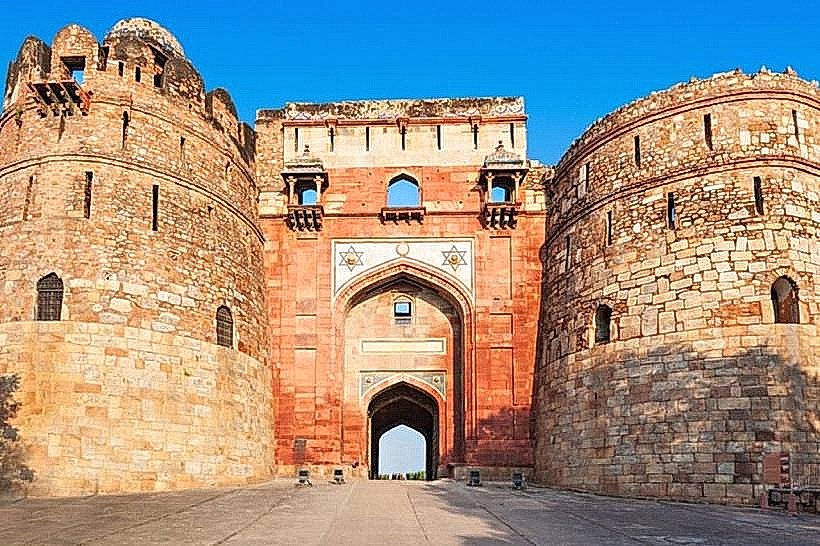
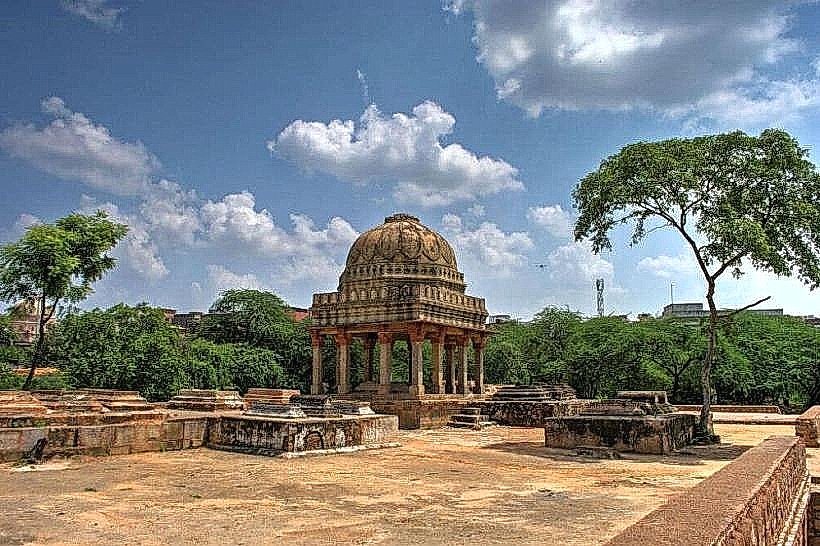
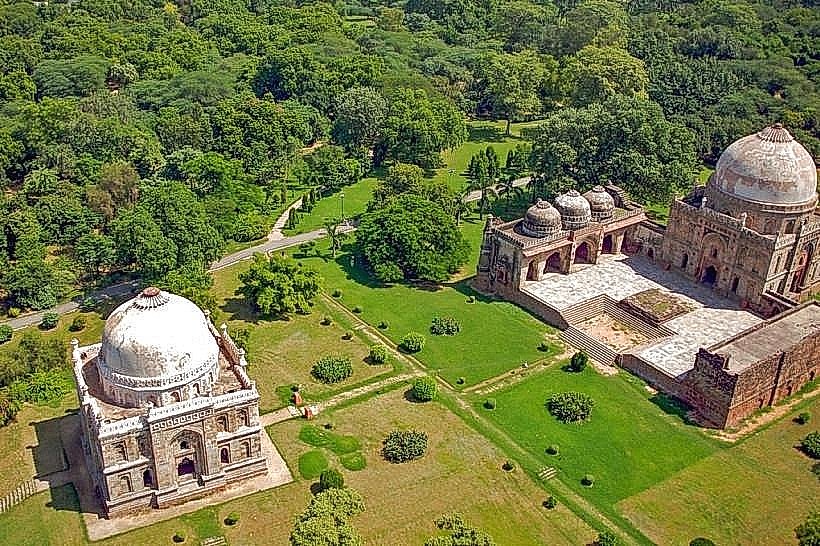
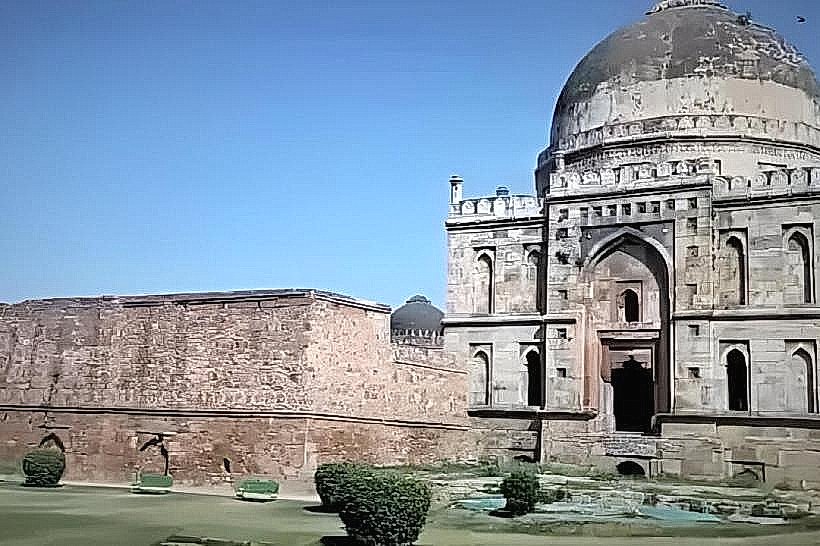
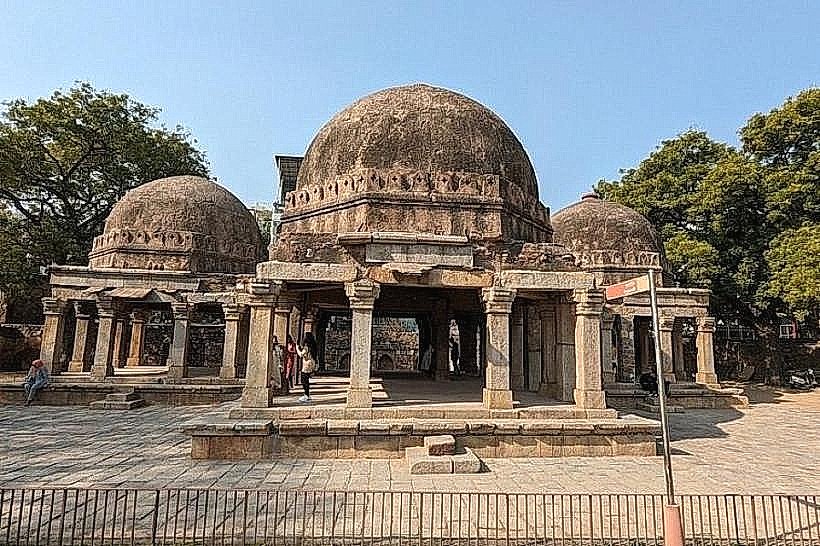
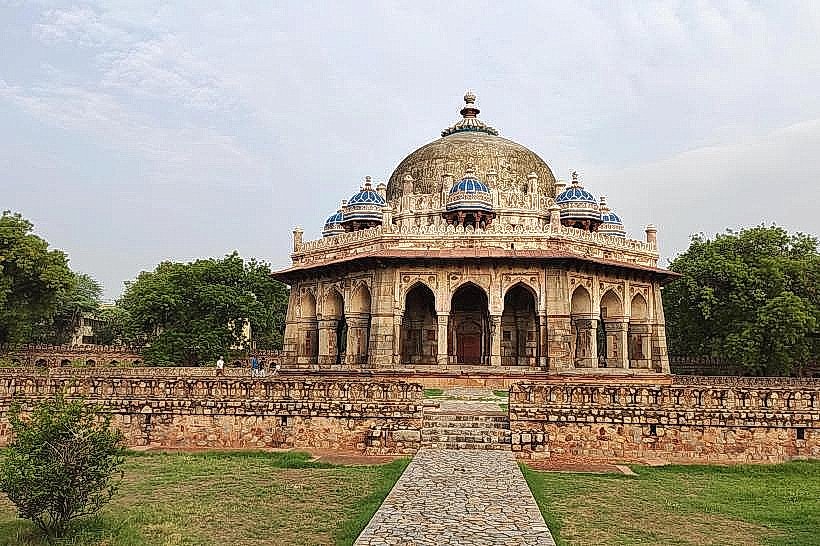
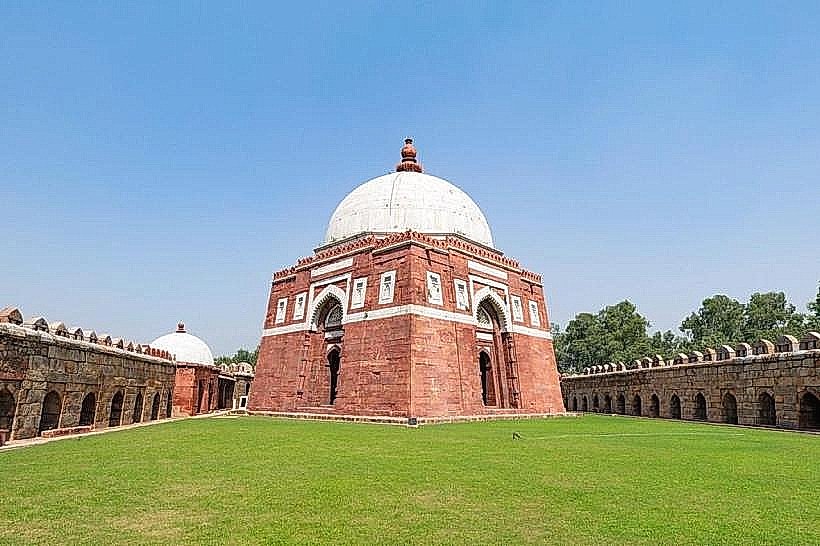
The fort is constructed primarily from sandstone and rubble masonry. Its walls are substantial, reaching heights of approximately 10 meters in some sections. The architectural style is characteristic of Tughlaq dynasty fortifications, featuring robust, unadorned ramparts and bastions. Remnants of palaces, mosques, and tombs are visible within the complex, exhibiting a functional rather than decorative design.
Location & Access Logistics
Tughlaqabad Fort is situated approximately 8 kilometers south of the center of New Delhi. Access is via Mehrauli-Badarpur Road. The nearest metro station is Tughlaqabad (Violet Line), approximately 1.5 kilometers from the fort entrance. Auto-rickshaws and taxis are available from the metro station. Limited parking is available near the main entrance, primarily for buses and official vehicles. Private vehicle parking is scarce.
Historical & Ecological Origin
Construction of Tughlaqabad Fort began in 1321 AD under the order of Ghiyas-ud-din Tughluq, the founder of the Tughlaq dynasty. Its original purpose was to serve as the third historic city of Delhi and a defensive stronghold. The fort was abandoned shortly after its completion due to water scarcity and a perceived curse.
Key Highlights & Activities
Exploration of the fort ruins is the primary activity. Visitors can access the remains of the palace complex, the congregational mosque (Jami Masjid), and the tomb of Ghiyas-ud-din Tughluq, which is located outside the main fort walls. Walking the perimeter of the fort walls offers views of the surrounding area. Access to higher rampart sections is restricted due to structural instability.
Infrastructure & Amenities
Basic restroom facilities are located near the main entrance. There is minimal natural shade within the fort complex. Cell phone signal (4G/5G) is generally available. No food vendors operate within the fort; vendors are typically found outside the main gate selling water and snacks.
Best Time to Visit
The optimal time for visiting is during the cooler months, from October to March. Early morning (7:00 AM - 10:00 AM) or late afternoon (4:00 PM - 6:00 PM) provides more comfortable temperatures and better lighting for photography, avoiding the midday sun. There are no tide-related considerations.
Facts & Legends
A local legend states that the fort was built so quickly that the stones were laid by laborers diverted from the construction of the shrine of Nizamuddin Auliya. The saint is said to have cursed the fort, predicting it would be inhabited by nomads and eventually abandoned, which largely came to pass.
Nearby Landmarks
- Tughlaqabad Tomb (0.3km West)
- Siri Fort (4.5km North)
- Qutub Minar (5.0km Northwest)
- Mehrauli Archaeological Park (4.8km Northwest)
- Adham Khan's Tomb (4.9km Northwest)