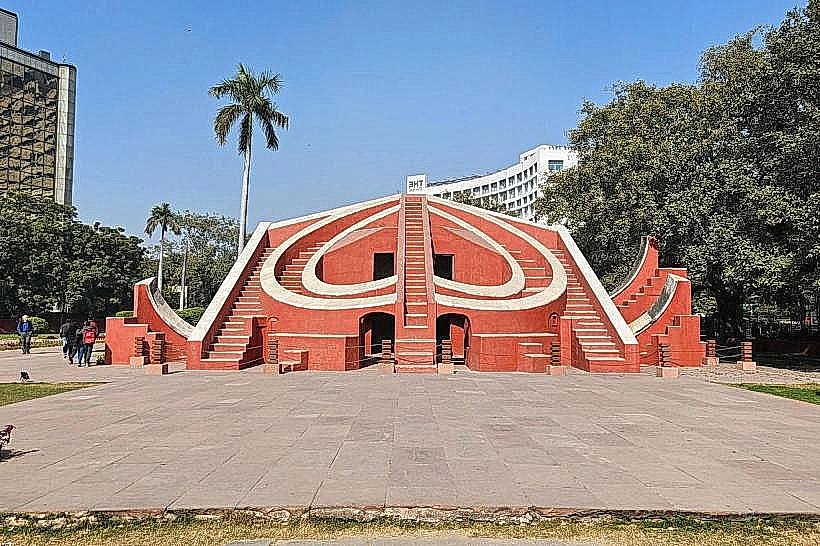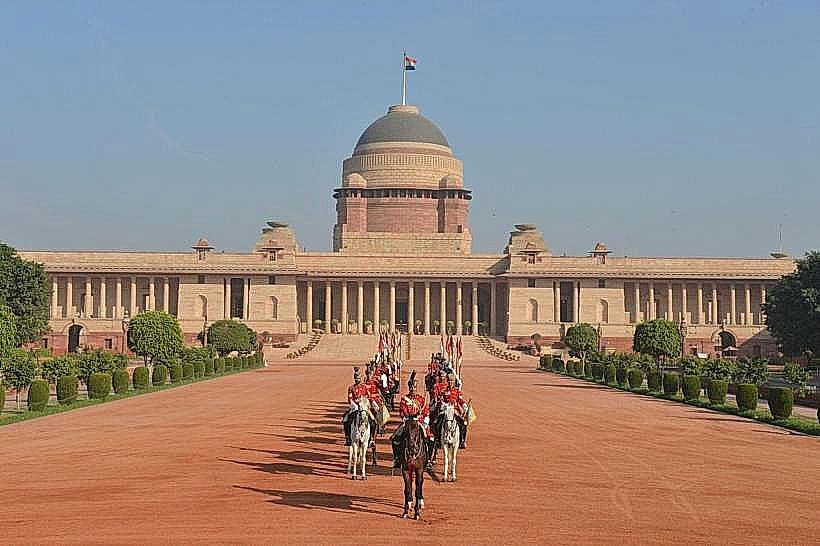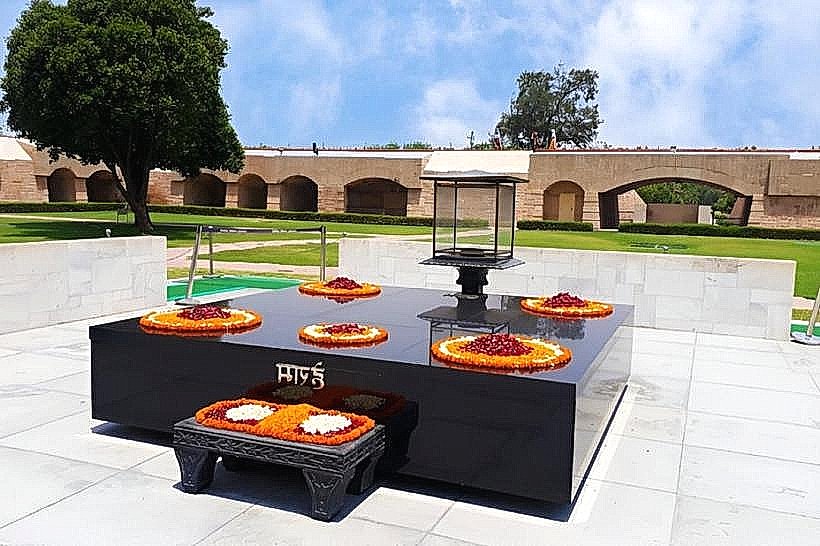
Landmark: Lodhi Gardens
City: New Delhi
Country: India
Continent: Asia
Lodhi Gardens, New Delhi, India, Asia
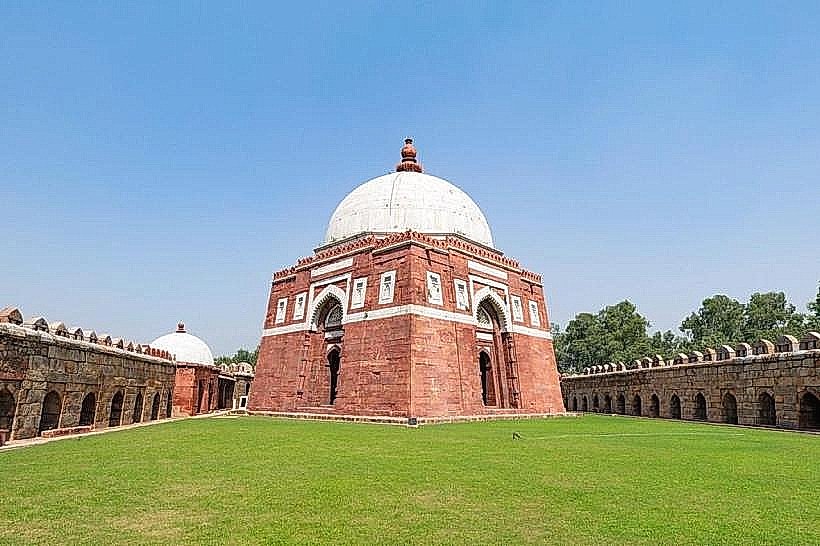
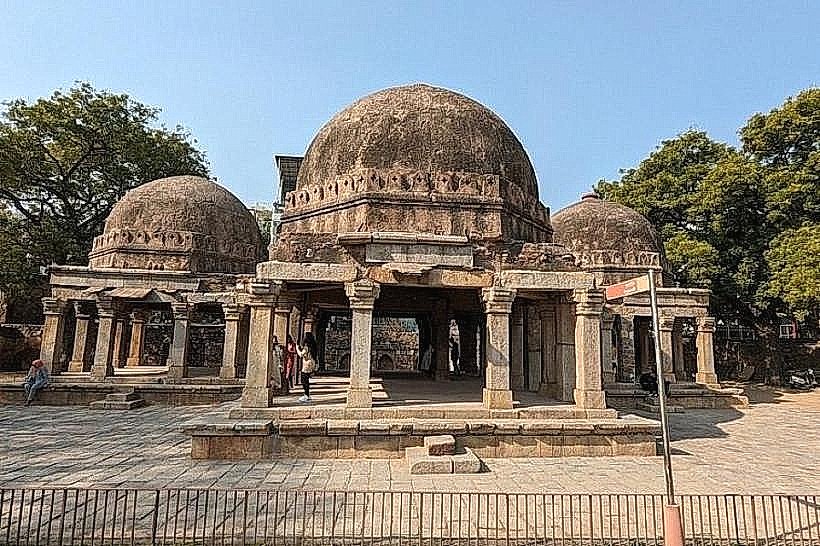
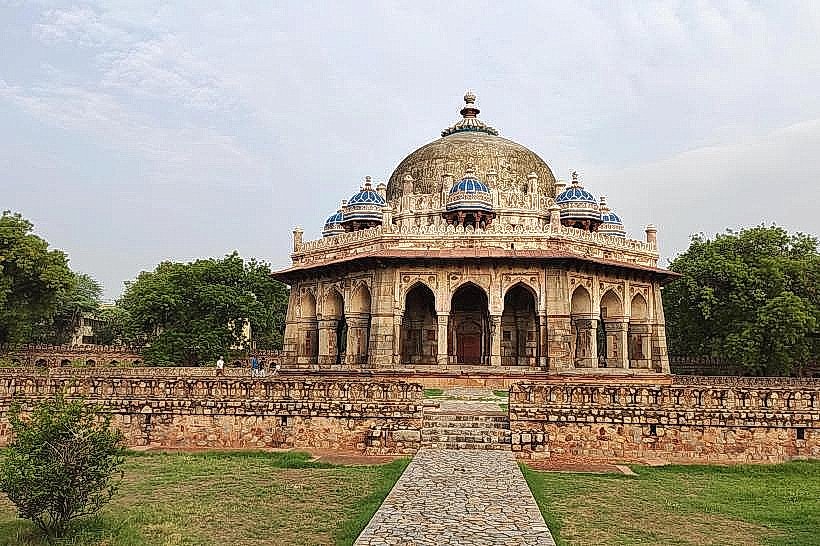
Lodhi Gardens is a public park located in New Delhi, India. It contains several tombs from the Sayyid and Lodhi dynasties.
Visual Characteristics
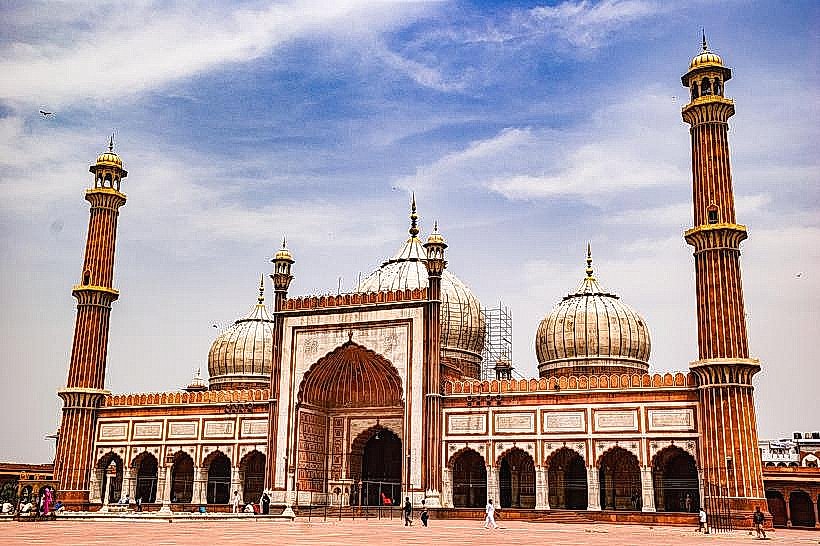
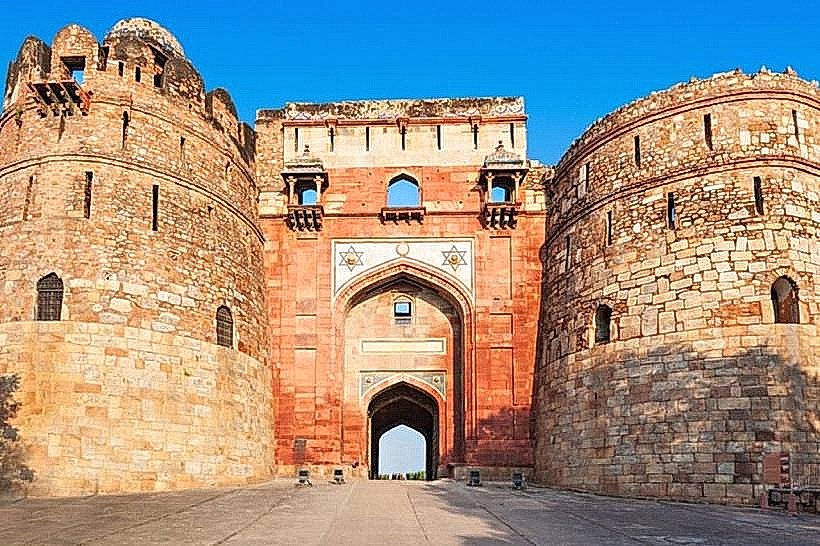
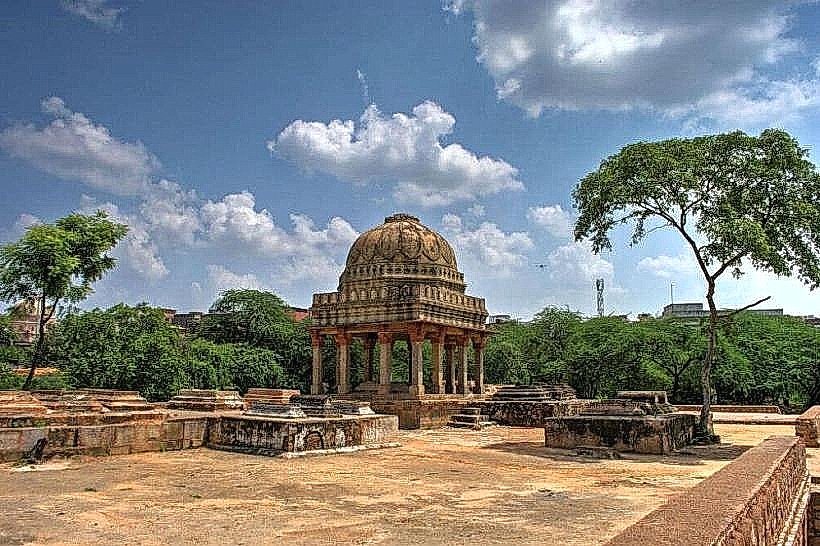
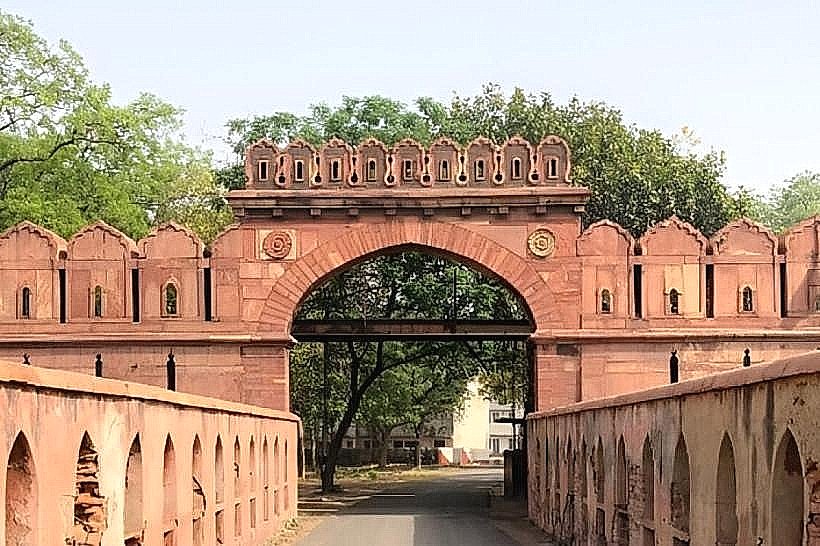
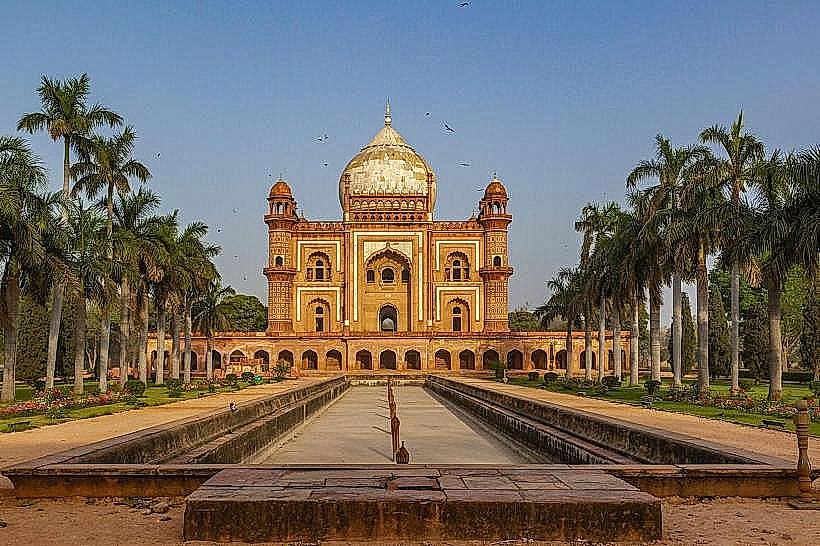
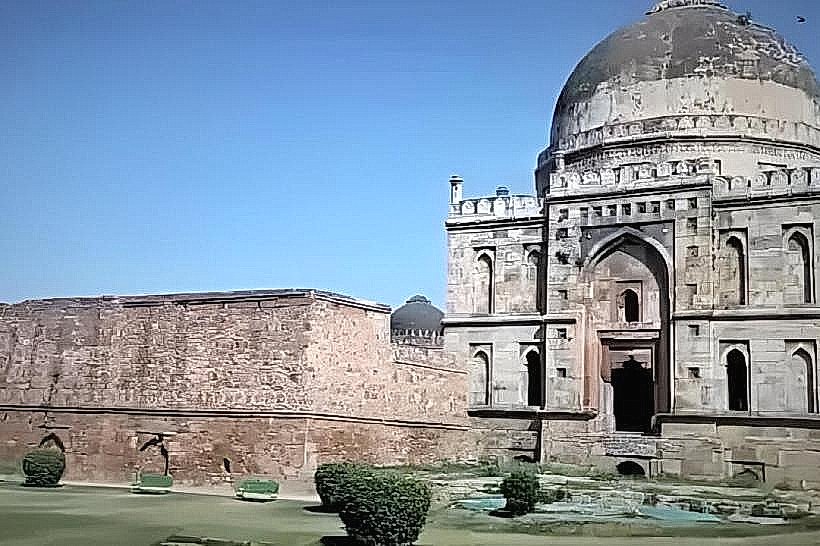
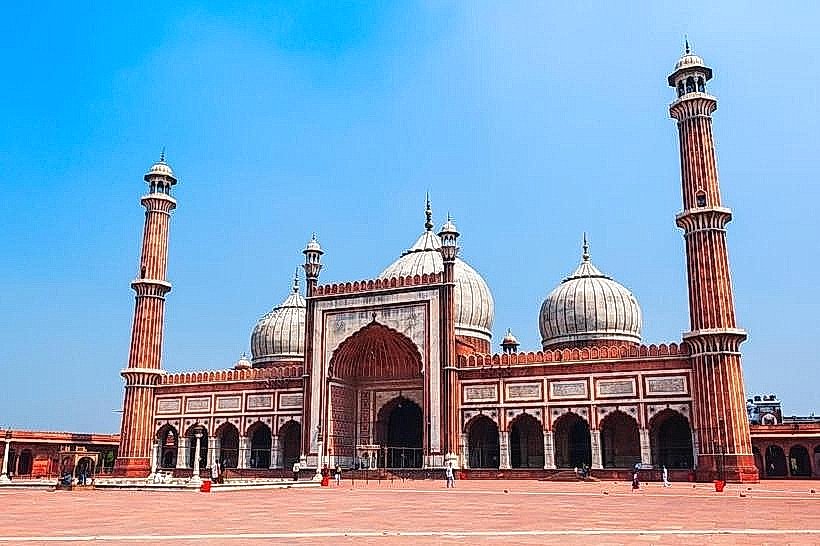
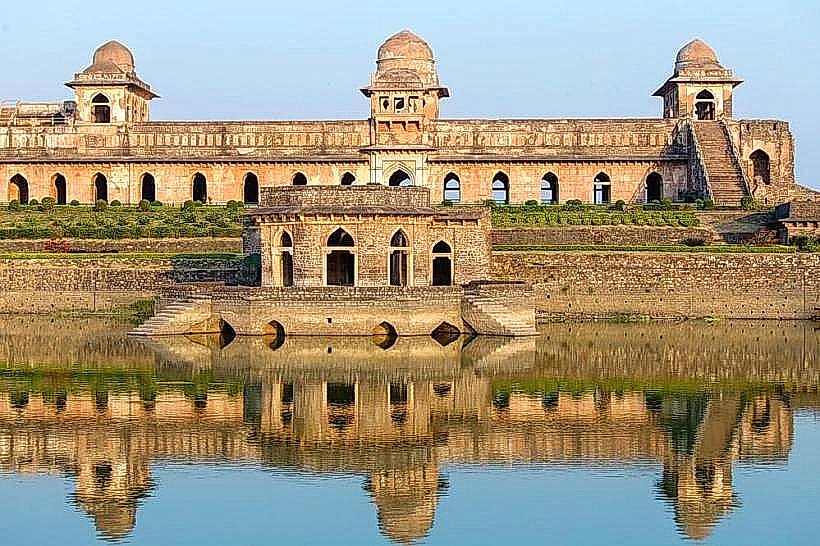
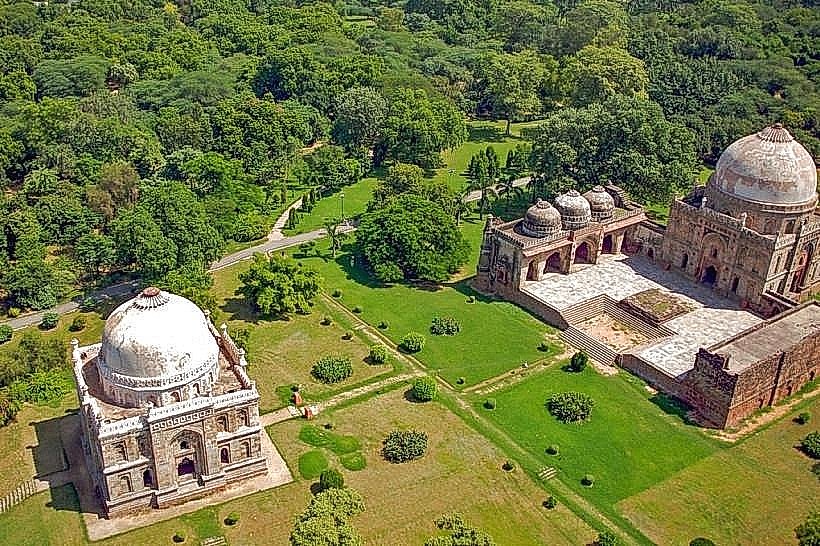
The gardens cover approximately 90 acres. The landscape features manicured lawns, flower beds, and mature trees including eucalyptus, palm, and mahogany. The architectural elements are primarily tombs constructed from sandstone, exhibiting Islamic architectural styles with domed roofs, arched doorways, and intricate carvings. The tombs vary in size and complexity, with the Bara Gumbad and the Shisha Gumbad being prominent structures.
Location & Access Logistics
Lodhi Gardens is situated between Khan Market and Safdarjung's Tomb. It is accessible via Lodhi Road and Max Mueller Marg. The nearest metro station is Jor Bagh (Yellow Line), approximately 1km North. Auto-rickshaws and taxis are readily available. Parking is available within designated areas, though it can be limited during peak hours.
Historical & Ecological Origin
The site contains tombs dating from the Sayyid (1414-1451) and Lodhi (1451-1526) dynasties. The gardens themselves were established in 1936 by the British as part of their urban planning for New Delhi, initially named Lady Willingdon Park. They were later renamed Lodhi Gardens after India's independence. The area is an example of urban green space development incorporating historical monuments.
Key Highlights & Activities
Visitors can walk the paved pathways through the gardens. Photography of the architectural tombs is permitted. The open spaces are used for recreation, including jogging and yoga. Birdwatching is a common activity due to the variety of trees.
Infrastructure & Amenities
Restrooms are located within the park. Shaded areas are provided by mature trees. Cell phone signal (4G/5G) is generally good throughout the gardens. Food vendors are typically found near the entrances, particularly on Lodhi Road.
Best Time to Visit
The best time of day for photography is early morning or late afternoon when the sunlight creates softer shadows on the sandstone structures. The most favorable months for visiting are from October to March, when the weather is cooler and less humid. The gardens are open from sunrise to sunset.
Facts & Legends
A specific architectural feature of the Bara Gumbad is that it is not a tomb itself, but rather a gateway to a tomb complex. The actual tomb is located behind it.
Nearby Landmarks
- 0.5km South-West: Safdarjung's Tomb
- 1km North: Khan Market
- 1.5km East: India International Centre
- 2km South-East: Humayun's Tomb