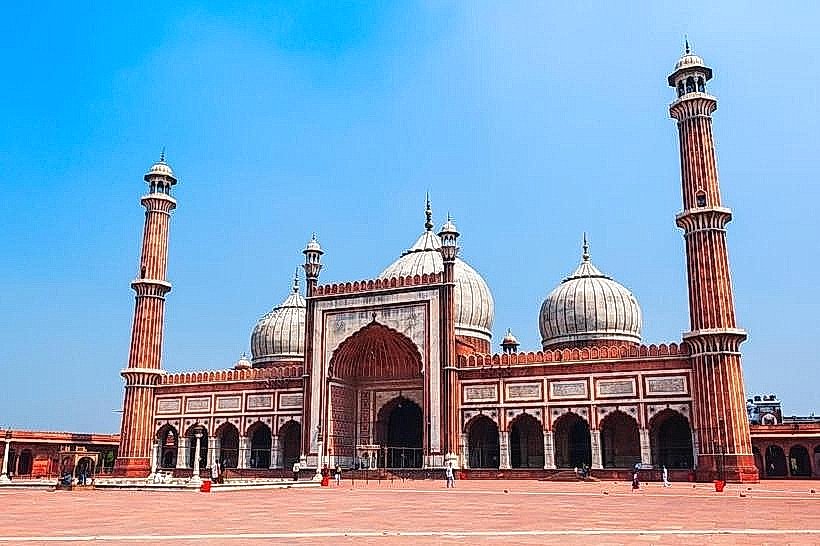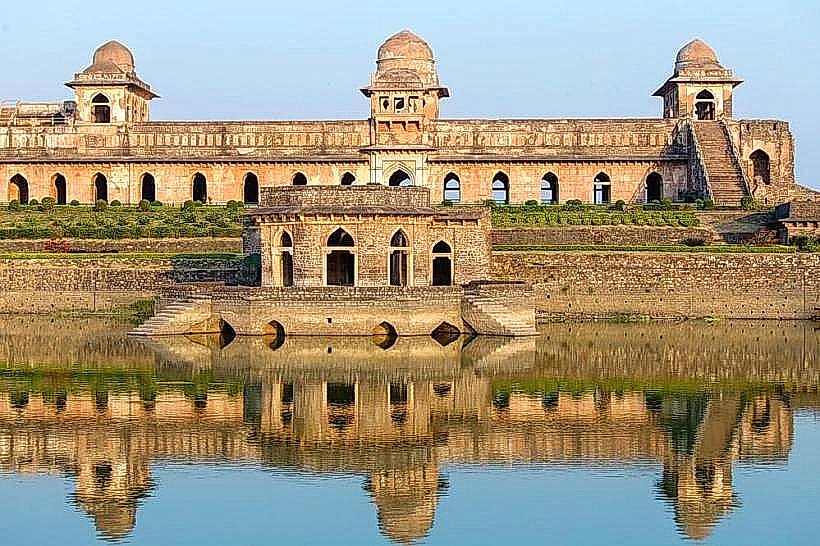
Landmark: Qutb Minar
City: New Delhi
Country: India
Continent: Asia
Qutb Minar, New Delhi, India, Asia
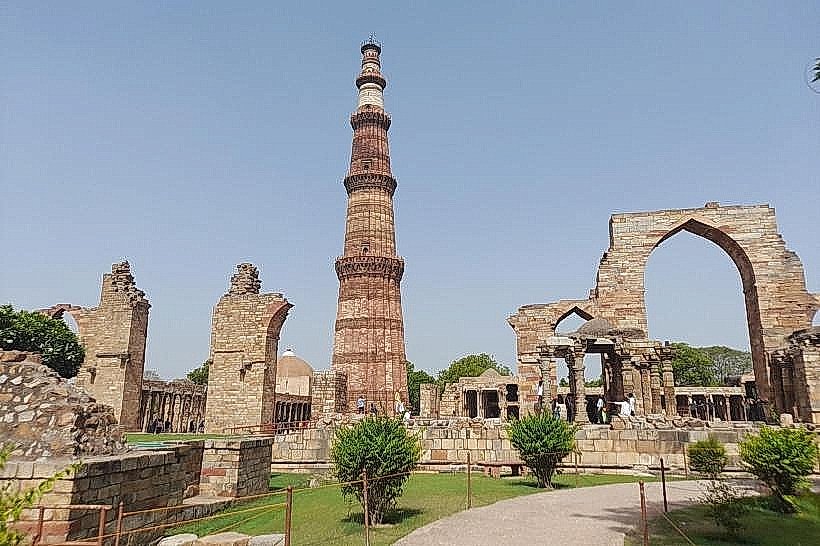
The Qutb Minar is a minaret and UNESCO World Heritage Site located in the Mehrauli area of New Delhi, India. It is the tallest brick minaret in the world.
Visual Characteristics
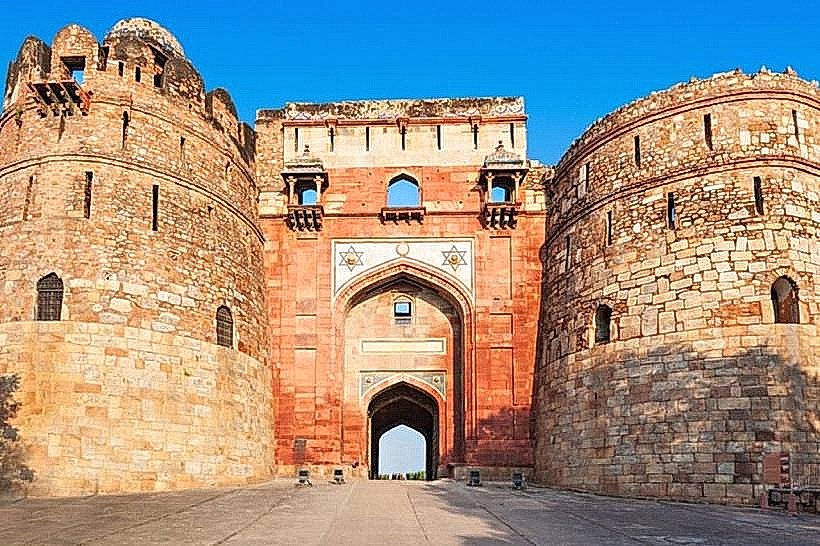
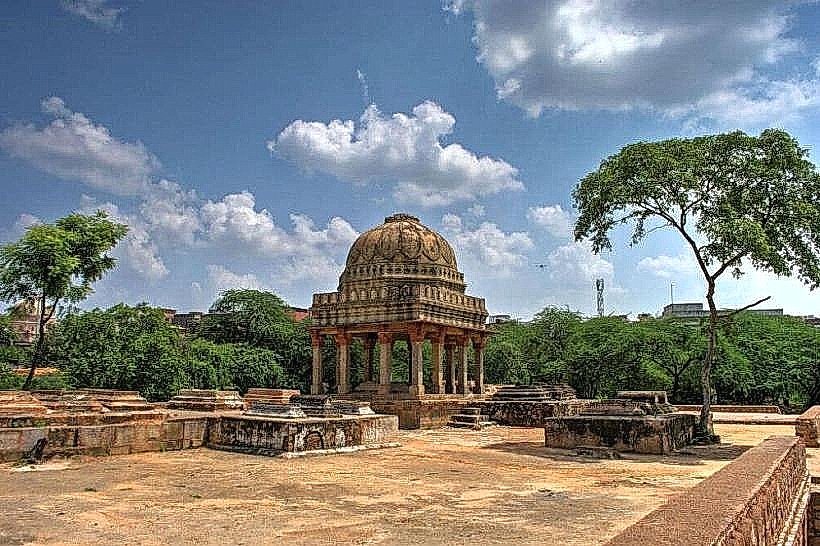
The Qutb Minar stands 72.5 meters (238 feet) tall and is constructed from red sandstone and marble. It features five distinct stories, each with a projecting balcony. The lower three stories are primarily red sandstone, while the fourth and fifth stories incorporate marble. The minaret is intricately carved with verses from the Quran and decorative motifs. The complex also includes the Quwwat-ul-Islam Mosque and the Iron Pillar.
Location & Access Logistics
The Qutb Minar is situated in South Delhi, approximately 15 kilometers (9.3 miles) south of Connaught Place. Access is via Mehrauli-Badarpur Road. The nearest metro station is Qutub Minar (Yellow Line), located about 1 kilometer (0.6 miles) from the site. Auto-rickshaws and taxis are readily available from the metro station. Parking is available on-site, with designated areas for vehicles.
Historical & Ecological Origin
Construction of the Qutb Minar began in 1193 by Qutb-ud-din Aibak, the founder of the Delhi Sultanate, and was completed by his successor, Iltutmish. It was intended as a victory tower and a minaret for the muezzin to call the faithful to prayer. The complex was expanded by subsequent rulers, including Alauddin Khilji.
Key Highlights & Activities
Visitors can observe the detailed carvings and inscriptions on the minaret. The Iron Pillar, known for its rust-resistant properties, is a significant attraction. Photography is permitted within the complex. Guided tours are available, providing historical context and architectural details.
Infrastructure & Amenities
Restrooms are available within the complex. Shaded areas are limited, primarily around the entrance and ticket counters. Cell phone signal (4G/5G) is generally good. Food vendors are located outside the main entrance to the complex.
Best Time to Visit
The best time of day for photography is in the early morning or late afternoon to avoid harsh sunlight and capture the texture of the sandstone. The optimal months to visit are from October to March, when the weather is cooler and drier. There are no tide-specific considerations.
Facts & Legends
A local legend suggests that the Qutb Minar was built to ward off evil spirits. Historically, it is verified that the minaret has survived several earthquakes and has been repaired and reinforced over centuries by different rulers.
Nearby Landmarks
- Adham Khan's Tomb (0.3km West)
- Jamali Kamali Mosque and Tomb (0.8km North)
- Mehrauli Archaeological Park (1.2km North)
- Sunder Nursery (4.5km North)
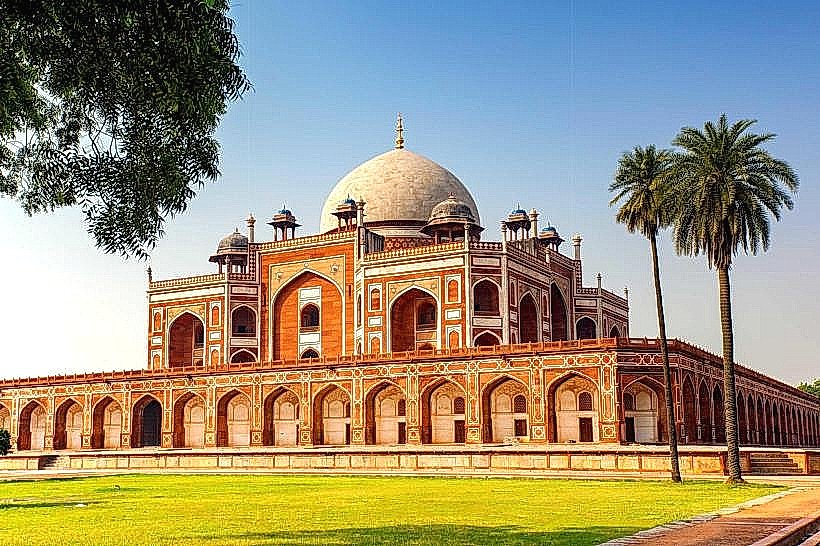
- Humayun's Tomb (5.0km North)