Landmark: Lion Cavern
City: Mbabane
Country: Eswatini
Continent: Africa
Lion Cavern, Mbabane, Eswatini, Africa
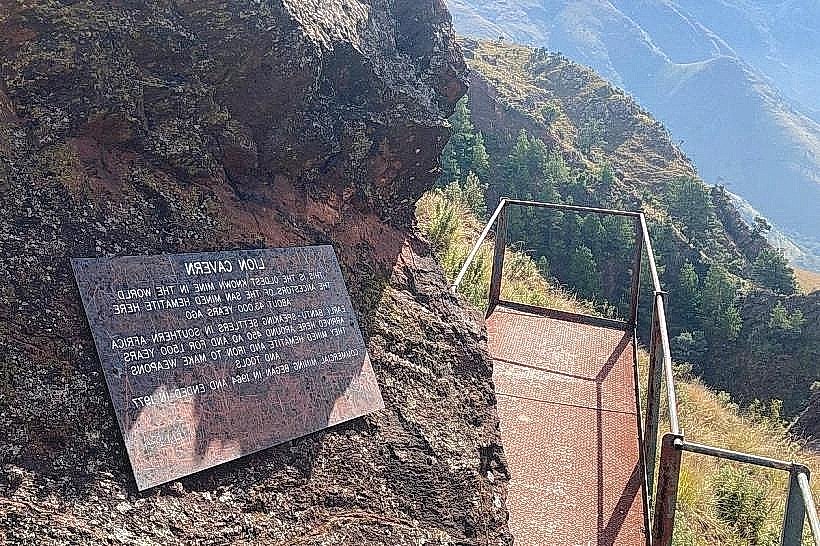
Lion Cavern is an ancient underground archaeological chamber located on the steep western upper slopes of Ngwenya Mountain within the southern perimeter of the Malolotja Nature Reserve. It represents the oldest individual subterranean mining cavity discovered on Earth, predating all modern industrial excavations.
Visual Characteristics
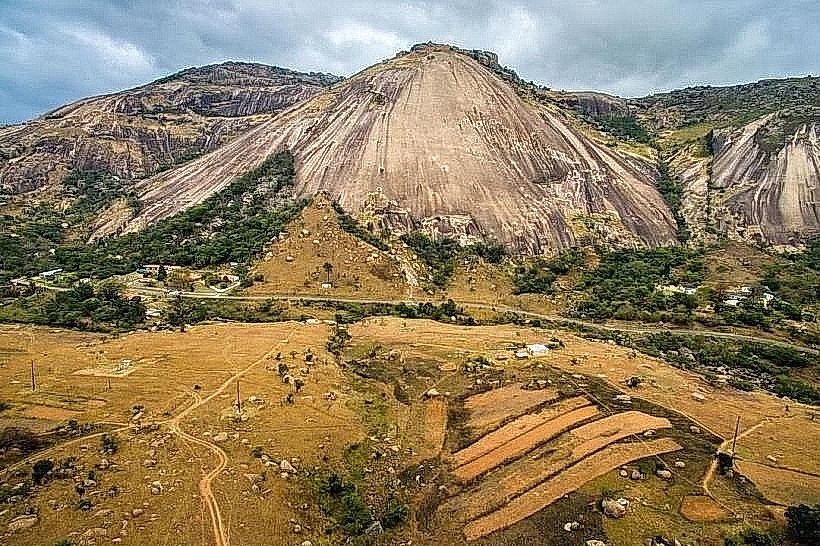
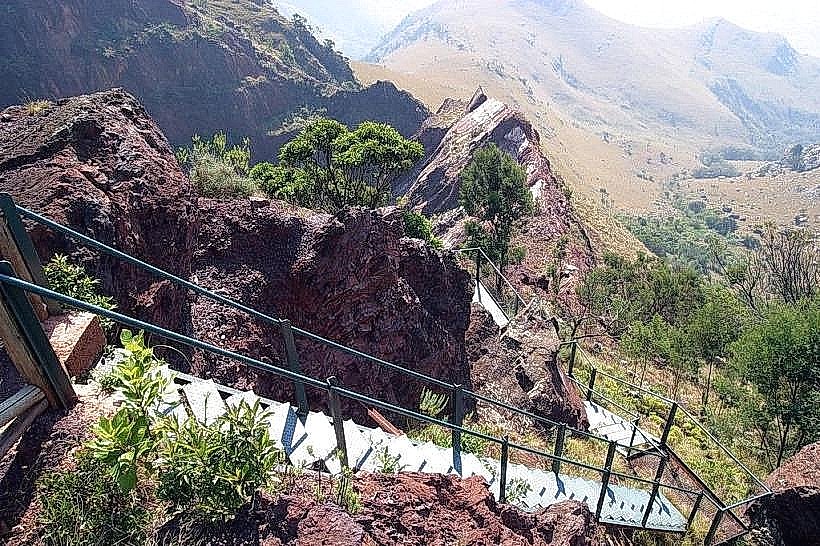
The landmark is a small, dark, man-made cavern hollowed out of a sheer cliff face composed of dark, dense iron-bearing rock. The entrance is narrow and low, opening into a small chamber where the interior walls display rich veins of glittering specular hematite (specularite) and thick deposits of dark red earthy ochre. The surrounding terrain is exceptionally rugged, characterized by steep quartzite outcrops, gravelly scree slopes, and hardy montane grasses that grow along the narrow ledge leading to the opening.
Location & Access Logistics
The site is situated roughly 33 kilometers northwest of Mbabane and about 6 kilometers north of the town of Ngwenya. Access requires driving up the unpaved mountain road from the MR1 highway to the Ngwenya Mine visitor center, followed by a steep, mandatory guided hike along a narrow, rocky mountain trail. Public transport options are limited to minibuses on the main MR1 highway, leaving a highly strenuous 4-kilometer uphill trek to the trailhead. Vehicles must park at the secure gravel parking lot located at the base visitor center.
Historical & Ecological Origin
The cavern was manually excavated by Middle Stone Age humans using stone tools approximately 43,000 years ago to extract specularite and red ochre for ritualistic, cosmetic, and artistic applications. It was saved from destruction during the 1960s and 1970s open-cast commercial mining operations due to intervention by archaeologists who proved its prehistoric antiquity. Ecologically, the cave sits within a protected high-altitude mist belt zone, with the immediate rocky micro-habitat supporting rare montane flora and providing roosting sites for bats and cliff-dwelling birds.
Key Highlights & Activities
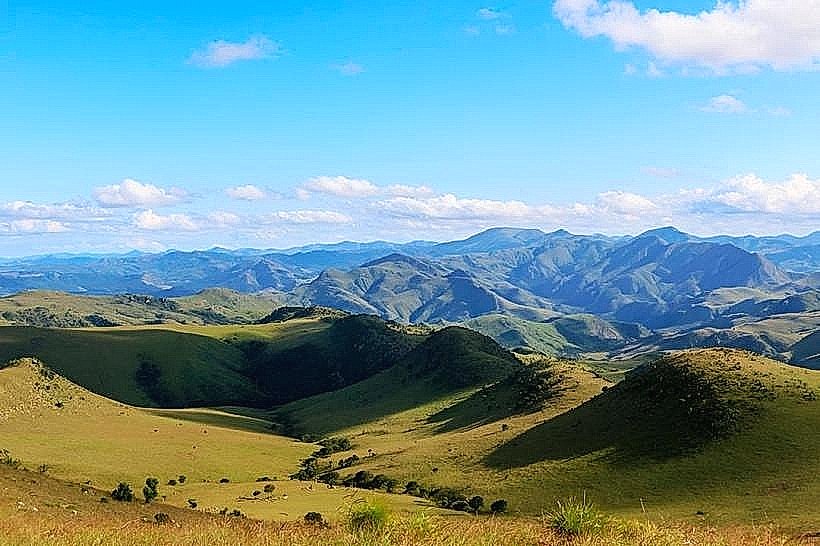
The primary activity is the guided historical trek to the cave mouth, where visitors can peer into the prehistoric extraction chamber and view the tool marks left by ancient miners. Guides demonstrate how stone age peoples used dolerite hammers to fracture the tough ore. The elevated trail leading to the cavern provides sweeping panoramic views across the adjacent South African border and the deep valleys of the Malolotja reserve.
Infrastructure & Amenities
The cavern itself possesses zero modern infrastructure, amenities, or services; there are no lights, handrails, or cleared pathways inside the cave. Public restrooms, trash receptacles, and information boards are located exclusively back down the trail at the main visitor center. Cellular network coverage (4G) is functional outside on the mountain ridges but drops to zero immediately upon entering the stone chamber.
Best Time to Visit
The most favorable period to visit is during the dry winter season from May to August, when trail conditions are dry and daytime temperatures remain cool for the steep climb. The morning hours between 08:00 and 11:00 offer the safest hiking conditions and optimal natural light for photographing the cavern entrance. The summer months from November to March should be avoided because torrential rain makes the steep mountain paths slick and dangerous, while frequent mountain fog can completely obscure the trail.
Facts & Legends
Archaeologists estimate that prehistoric miners systematically removed over 1,200 tons of iron ore from this specific cavity using nothing but handheld stone tools before the concept of metal tools existed. Local Swati lore attributes a profound spiritual energy to the mountain, viewing the deep red ochre extracted from Lion Cavern as a sacred substance representing the life force of the earth, which was traditionally used in marriage and war rituals.
Nearby Landmarks
Ngwenya Old Mine (Open Cast Pit) - 0.2km East
Ngwenya Glass Factory - 3.1km South
Hawane Dam and Nature Reserve - 4.4km Southeast
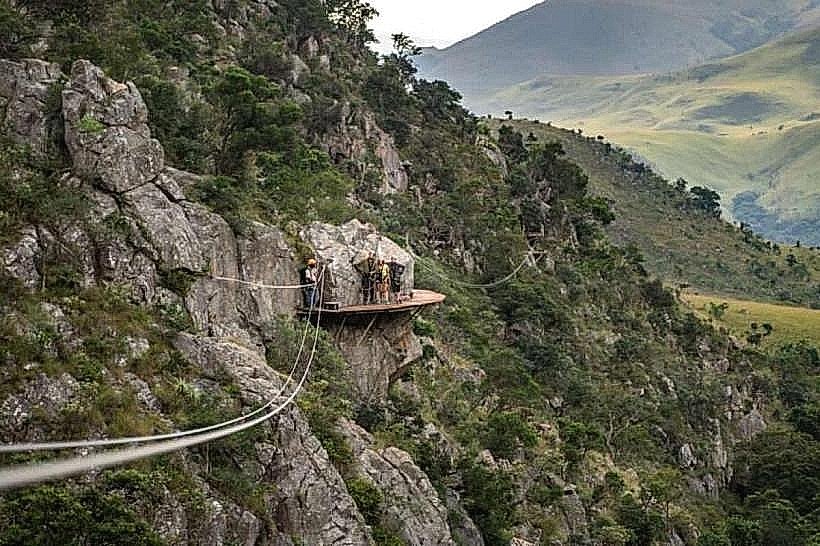
Malolotja Canopy Tour - 4.2km North