Landmark: Ngwenya Glass Factory
City: Mbabane
Country: Eswatini
Continent: Africa
Ngwenya Glass Factory, Mbabane, Eswatini, Africa
The Ngwenya Glass Factory is a commercial glassblowing facility and craft complex located in the industrial village of Ngwenya, situated directly on the western border of Eswatini. The site functions as a centralized hub for sustainable manufacturing, transforming locally collected waste glass into handmade art and functional homeware pieces.
Visual Characteristics
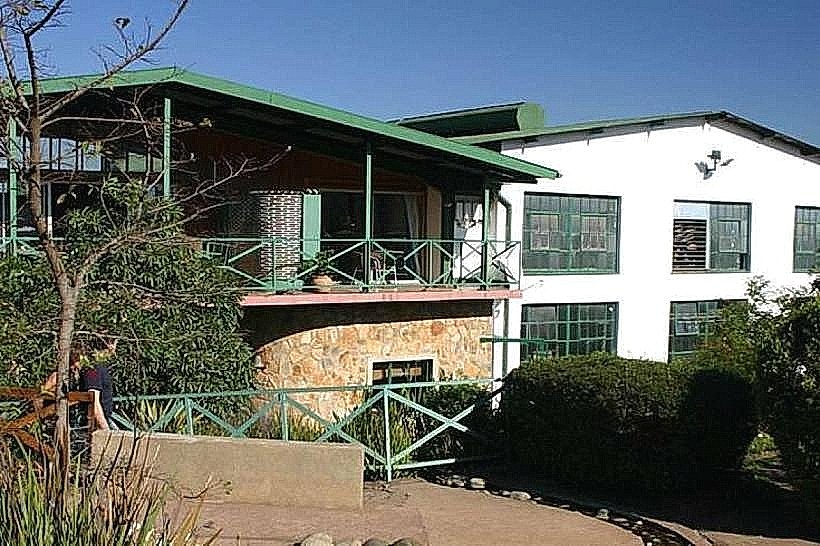
The central facility consists of a large, industrial-style brick and corrugated iron warehouse housing the primary glassblowing studio and melting furnaces. The interior is characterized by high, open rafters, concrete floors, and a raised viewing platform constructed of dark timber and steel, allowing spectators to look down into the active furnace area. The surrounding complex features single-story, face-brick retail shops laid out in a semi-circle around a central lawn interspersed with indigenous trees and large-scale metal and glass outdoor sculptures.
Location & Access Logistics
The factory is positioned exactly 5 kilometers east of the Oshoek/Ngwenya Border Post on the MR1 Main Road, and approximately 28 kilometers northwest of central Mbabane. Access from the capital is direct via the dual-carriageway MR3 highway, turning north onto the MR1 highway at the Ngwenya intersection. Public transport is frequent, with local minibuses (kombis) running continuously between the Mbabane Bus Rank and the Ngwenya border, dropping passengers within 200 meters of the factory entrance. A large, paved, secure parking lot accommodating both private vehicles and tour buses is located immediately outside the main gate.
Historical & Ecological Origin
The enterprise was established in 1979 by Swedish aid organizers who introduced traditional glassblowing techniques to local artisans, though it closed in 1985 before being revived by the Prettejohn family in 1987. The underlying ecological objective of the factory is environmental sustainability through a domestic recycling model; all raw materials consist of 100% recycled glass collected by schools and community groups across Eswatini. The factory also funds local nature conservation efforts, specifically tying its commercial production of animal figurines to the preservation of the country’s endangered wildlife.
Key Highlights & Activities
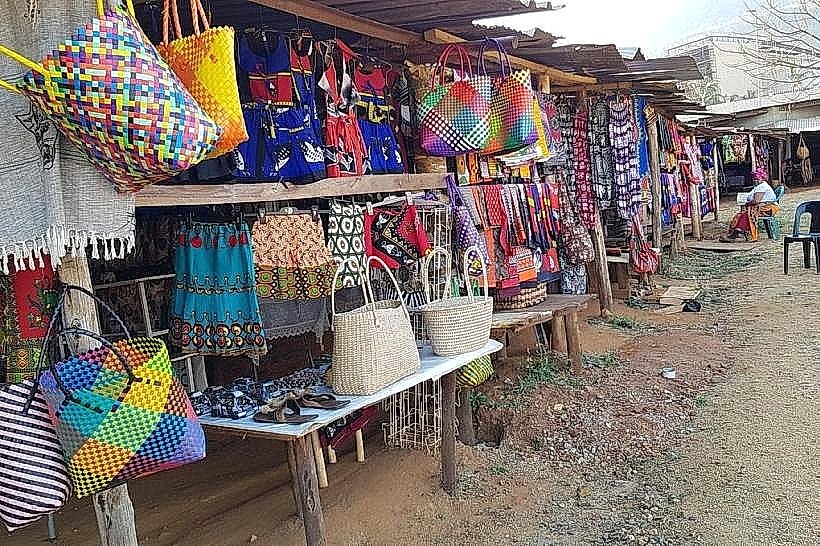
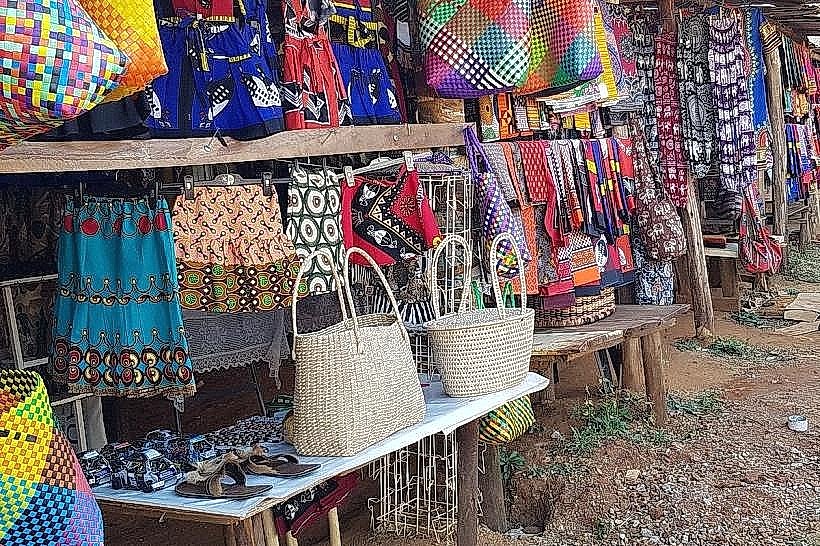
The primary activity is observing the glassblowing process from the elevated viewing platform, where visitors watch artisans extract molten glass from the 1200°C furnaces to shape, blow, and mold individual pieces. Self-guided walking tours proceed through the complex to the main retail showroom, which displays finished consumer goods, decorative glass plates, and architectural fittings. Additional activities within the wider complex include shopping at independent artisan boutiques specializing in local woven products, dark chocolate, and traditional crafts, alongside casual dining at the central cafe.
Infrastructure & Amenities
The complex is highly developed, featuring clean, wheelchair-accessible public restrooms, brick-paved walkways, and shaded outdoor seating benches under mature trees. Reliable high-speed cellular network coverage (4G/5G) is available across the entire property. Liquid capital transactions are supported by card payment terminals in the shops and an on-site automated teller machine (ATM). Food and beverage options are provided by an established restaurant with an outdoor terrace overlooking the central garden area.
Best Time to Visit
The glassblowing floor operates strictly on weekdays from 08:00 to 16:00, making Monday through Friday the mandatory period to witness live manufacturing, as the furnaces are damped down on weekends. The dry winter months from May to August are optimal for structural comfort, as the ambient heat generated by the industrial furnaces makes the indoor viewing platform intensely hot during the summer months. Mid-morning between 10:00 and 12:00 offers the best balance of natural lighting through the warehouse clerestory windows for photography of the molten glass work.
Facts & Legends
Every single piece produced at the facility is shaped entirely by hand without the use of automated machinery, meaning no two items are structurally identical. A notable historical oddity is that the factory utilizes discarded automotive engine oil and cooking oil collected from regional industries to fuel its high-temperature melting furnaces, making the entire thermal operation independent of standard municipal gas supplies.
Nearby Landmarks
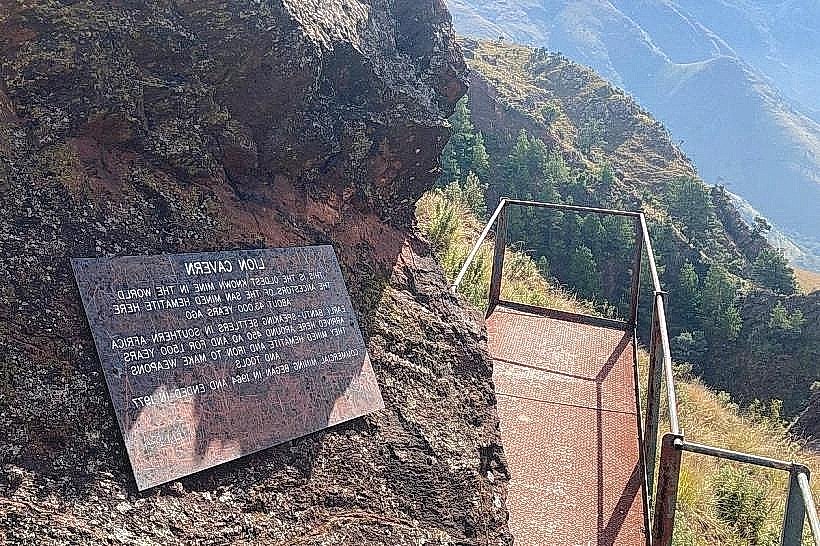
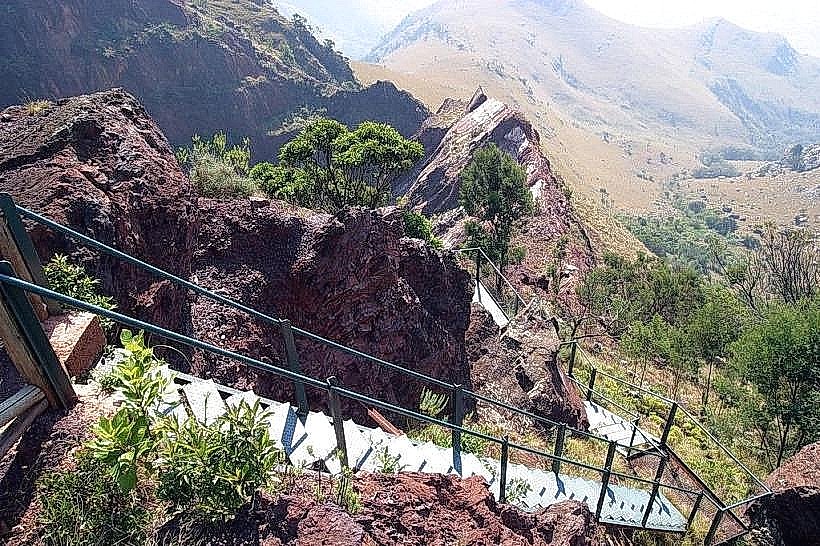
Ngwenya Mine and Visitor Centre - 2.9km North
Oshoek Border Post - 4.6km West-Southwest
Malolotja Nature Reserve (Southern Boundary) - 1.2km East
Hawane Dam - 4.9km East-Southeast