Landmark: Seminyak Beach
City: Bali
Country: Indonesia
Continent: Asia
Seminyak Beach, Bali, Indonesia, Asia
Seminyak Beach is a 5-kilometer stretch of coastline located in the Seminyak district of Bali, Indonesia.
It is a popular destination known for its surf conditions and sunset views.
Visual Characteristics
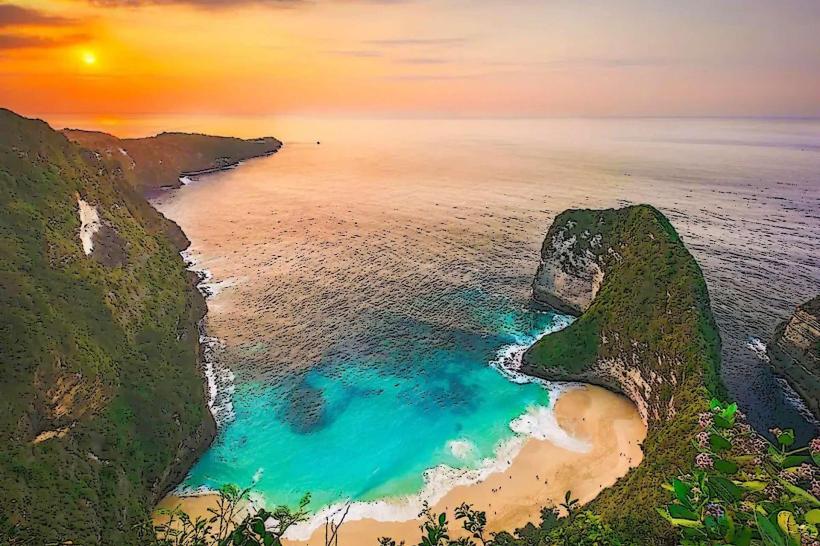
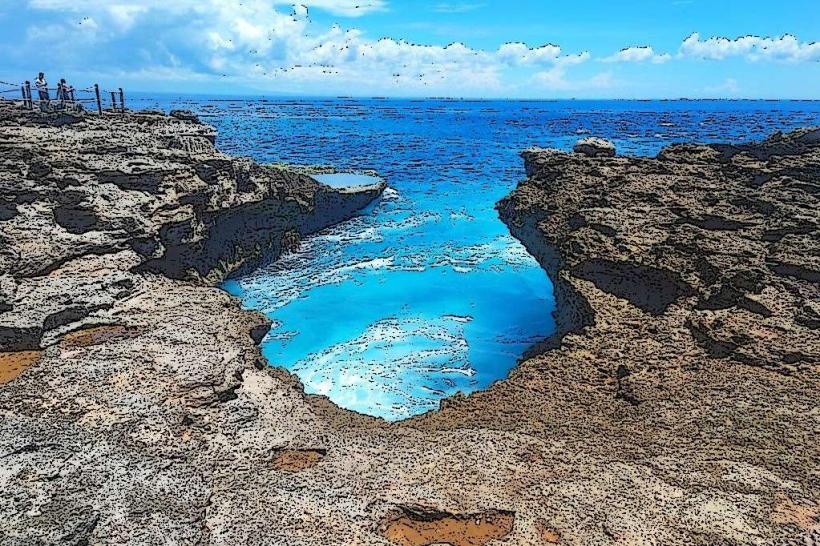
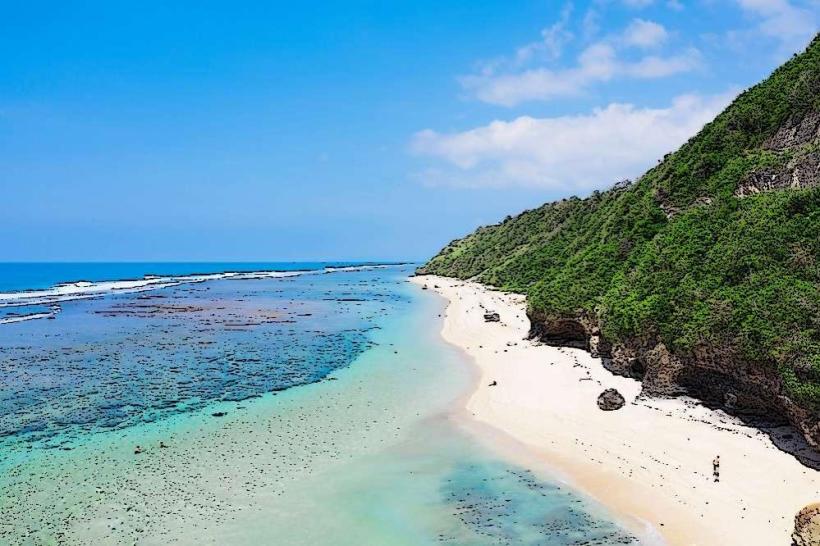
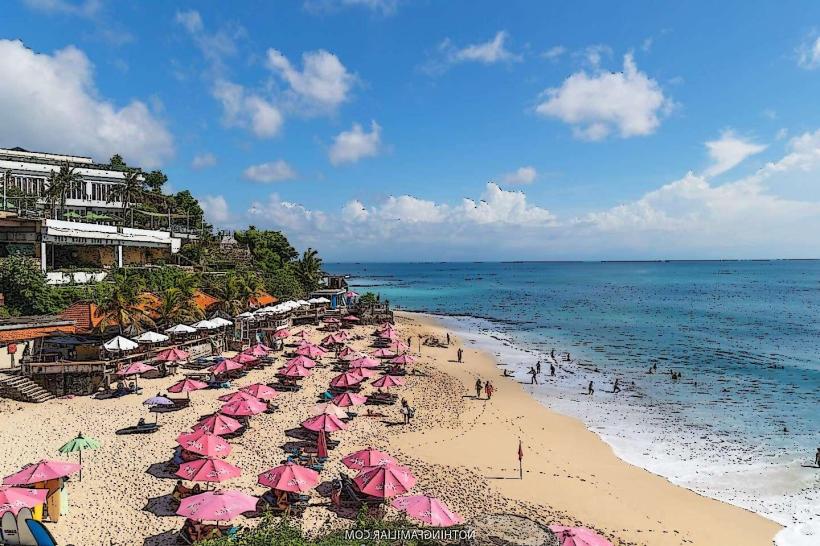
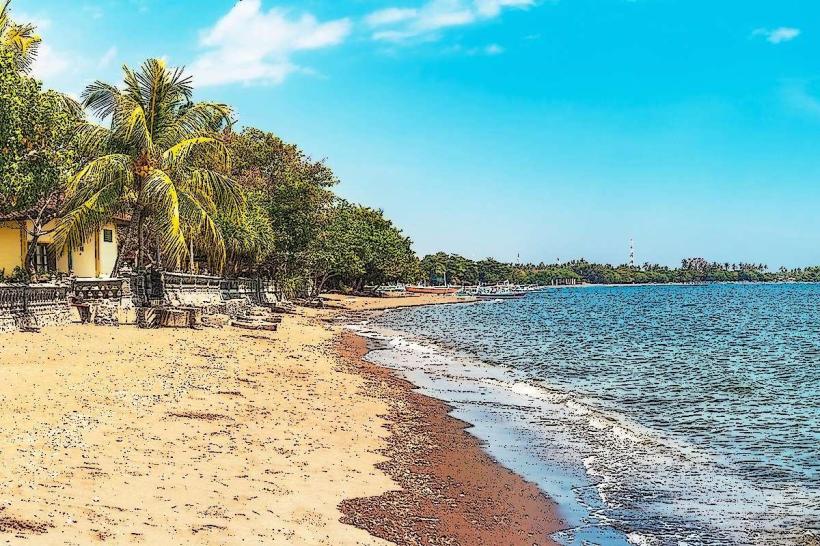
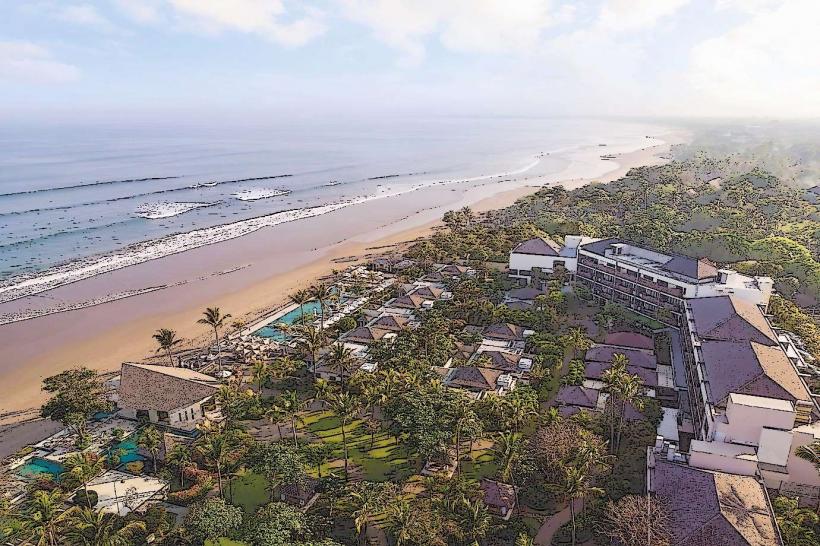
The beach features dark, volcanic sand. The water color varies from deep blue to turquoise depending on sunlight and weather conditions. Waves are typically moderate to large, suitable for surfing. The shoreline is lined with palm trees and scattered beach bars and resorts.
Location & Access Logistics
Seminyak Beach is situated approximately 10 kilometers southwest of Denpasar International Airport (DPS). Access is via Jalan Kayu Aya and Jalan Petitenget, which connect to the main coastal road, Jalan Pantai Seminyak. Parking is available along the main roads and in designated lots, often managed by local vendors, with fees typically ranging from 5,000 to 10,000 IDR. Public transport options are limited; ride-sharing services and metered taxis are the most common methods of arrival.
Historical & Ecological Origin
Seminyak Beach is a natural coastal formation, part of the larger southwestern coastline of Bali. Its geological origin is volcanic, with the sand composed of eroded basalt from the island's volcanic activity. Ecologically, it is a marine environment supporting various fish species and marine life, influenced by the Indian Ocean currents.
Key Highlights & Activities
Surfing lessons are available from numerous surf schools along the beach. Swimming is possible, but caution is advised due to currents. Sunbathing and beachcombing are common activities. Sunset viewing is a primary draw, with many beach bars offering seating. Beach volleyball courts are sometimes set up by resorts.
Infrastructure & Amenities
Restrooms are available at beach clubs and some public access points, often requiring a small fee or purchase. Shade is provided by umbrellas and sun loungers rented from vendors, as well as by natural palm trees. Cell phone signal (4G/5G) is generally strong. Food and beverage vendors, including beach bars and restaurants, are abundant along the beachfront and adjacent streets.
Best Time to Visit
For photography, the hour before sunset offers optimal lighting conditions. The dry season, from April to September, generally provides the clearest skies and calmest seas, though surf conditions remain consistent. High tide can bring waves closer to the shore, impacting available beach space.
Facts & Legends
A local belief suggests that the spirits of ancient Balinese kings are sometimes seen walking along the beach at dawn. The beach is also known for its "warung" (small food stalls) that have been operating for decades, serving local dishes.
Nearby Landmarks
- La Favela (0.3km West)
- Ku De Ta (0.6km South)
- Potato Head Beach Club (0.8km South)
- Petitenget Temple (1.2km North)
- Oberoi Street (0.4km East)